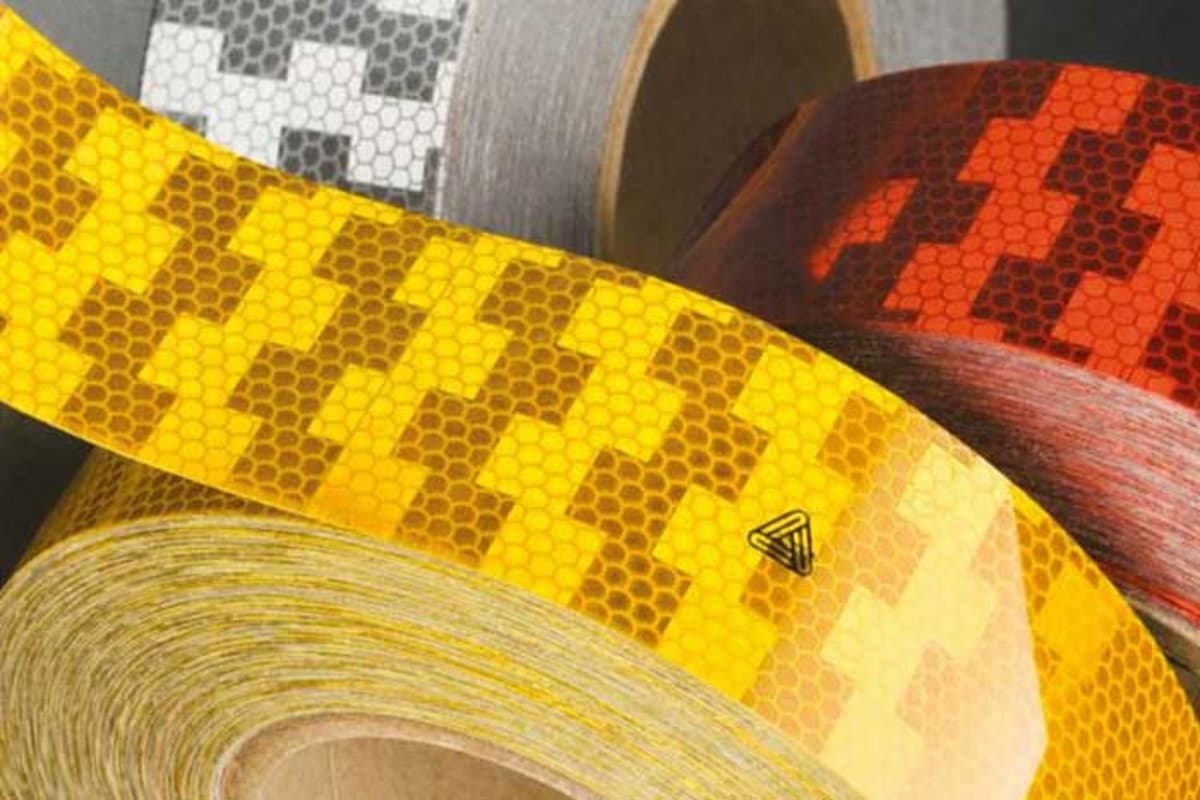
Reflections for Safer Roads: The Science of Conspicuity
Why It Matters
Improving sign conspicuity with high‑efficiency reflectors offers a low‑cost, passive safety upgrade that can cut night‑time crash deaths without new infrastructure. Policymakers and engineers can achieve immediate safety gains by selecting better materials.
Key Takeaways
- •Full‑cube microprism sheeting reflects ~100% of headlight light.
- •Traditional glass beads recover only ~40% of incident light.
- •Wider reflection cone improves sign visibility for high‑sitting trucks.
- •Materials retain performance for up to 15 years, reducing maintenance.
- •Adoption can cut night‑time crash fatalities, especially in poorly lit regions.
Pulse Analysis
Road safety statistics reveal that nearly half of all fatal crashes occur after dark, even though traffic volumes dip at night. This paradox stems from a mismatch between visibility—how much light reaches a driver—and conspicuity—how quickly a driver can recognize and interpret that light. When lane markings, signage, or road markings lack engineered reflectivity, drivers must rely on limited illumination, increasing reaction times and fatigue. The distinction is critical for policymakers who often focus on street lighting upgrades while overlooking the passive safety potential embedded in reflective materials.
Enter full‑cube microprism technology, a leap beyond conventional glass‑bead and truncated‑prism reflectors. By capturing and redirecting virtually all incoming headlight photons, these prisms generate a broad cone of reflected light that reaches drivers at varied eye‑heights—from low‑sitting sports cars to towering trucks. The geometry of modern traffic demands such a solution; a truck’s higher observation angle can miss the narrow reflection cone of legacy signs, creating blind spots. Full‑cube sheeting delivers near‑100% optical efficiency, translating into earlier sign detection, reduced driver workload, and a measurable drop in collision risk, especially on rural highways where lighting is sparse.
For infrastructure planners and procurement officers, the value proposition is clear. The material’s durability—rated for 15‑year service life—cuts long‑term maintenance costs and eliminates the need for power‑intensive smart signage. In fast‑growing economies like India, where road networks outpace grid expansion, deploying high‑efficiency reflectors offers a cost‑effective safety upgrade that aligns with sustainable development goals. As governments tighten vehicle safety standards and insurers push for risk mitigation, the market for full‑cube reflective sheeting is poised for rapid growth, turning a simple material choice into a strategic public‑health intervention.
Reflections for Safer Roads: The Science of Conspicuity
Comments
Want to join the conversation?
Loading comments...