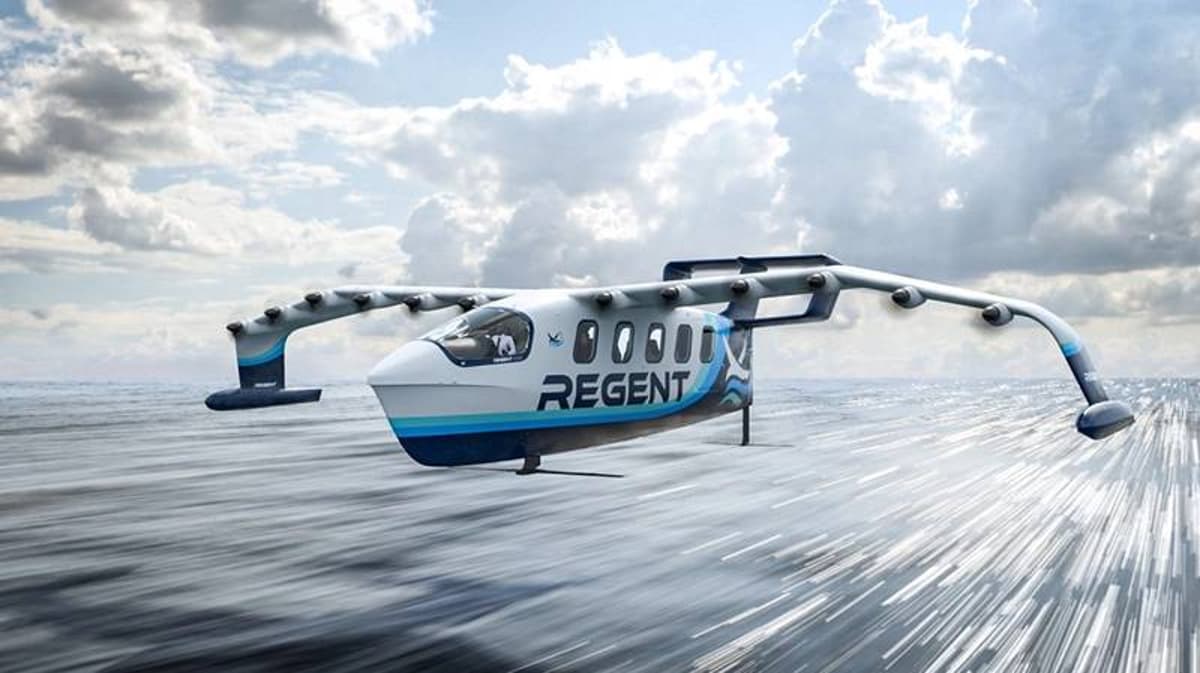
REGENT’s Seaglider Set for Japan Take Off with New Certification Process
Companies Mentioned
Why It Matters
Establishing a clear certification framework removes a key barrier to deploying zero‑emission, high‑speed coastal transport, positioning Japan as a leader in sustainable maritime mobility. The partnership accelerates market creation for passenger and cargo services that could reshape short‑haul logistics.
Key Takeaways
- •MOL and JAL partner with REGENT to certify electric Seaglider in Japan
- •Lloyd's Register will act as independent safety advisor for certification
- •Seaglider can travel up to 300 km/h with zero emissions
- •Commercial deployment targeted around 2030, pending regulatory approval
- •New certification framework could unlock passenger and cargo markets
Pulse Analysis
The Seaglider concept blends ground‑effect aerodynamics with electric propulsion, allowing a craft to glide just above the water surface at speeds rivaling regional aircraft. By eliminating diesel engines, the vessel delivers true zero‑emission operation, a compelling proposition for densely trafficked coastal corridors where traditional ferries contribute significantly to air pollution. Industry analysts see the technology as a bridge between maritime shipping and aviation, offering a low‑noise, high‑speed alternative for routes under 200 nautical miles.
Japan’s maritime ecosystem has long relied on rigorous classification societies to validate safety and performance. Lloyd's Register’s involvement brings internationally recognized expertise, ensuring the Seaglider meets both marine and aviation standards—a duality that complicates certification elsewhere. MOL and JAL contribute deep operational knowledge from shipping and airline domains, while also navigating Japan’s regulatory landscape, which has yet to address electric ground‑effect vehicles. The collaborative framework being drafted could become a template for other jurisdictions seeking to integrate novel propulsion systems into existing maritime law.
If the certification pathway succeeds, the Seaglider could unlock new passenger and cargo markets, especially for island chains and coastal cities where speed and environmental compliance are premium. Forecasts suggest a potential market of several hundred vessels by 2035, driven by government incentives for green transport and rising demand for rapid intercity links. Early commercial rollout around 2030 would give Japan a first‑mover advantage, attracting investment and stimulating ancillary industries such as battery manufacturing and advanced composites. Ultimately, the initiative signals a broader shift toward electrified maritime mobility, reinforcing Japan’s strategic goal of decarbonizing its transport sector.
REGENT’s Seaglider Set for Japan Take Off with New Certification Process
Comments
Want to join the conversation?
Loading comments...