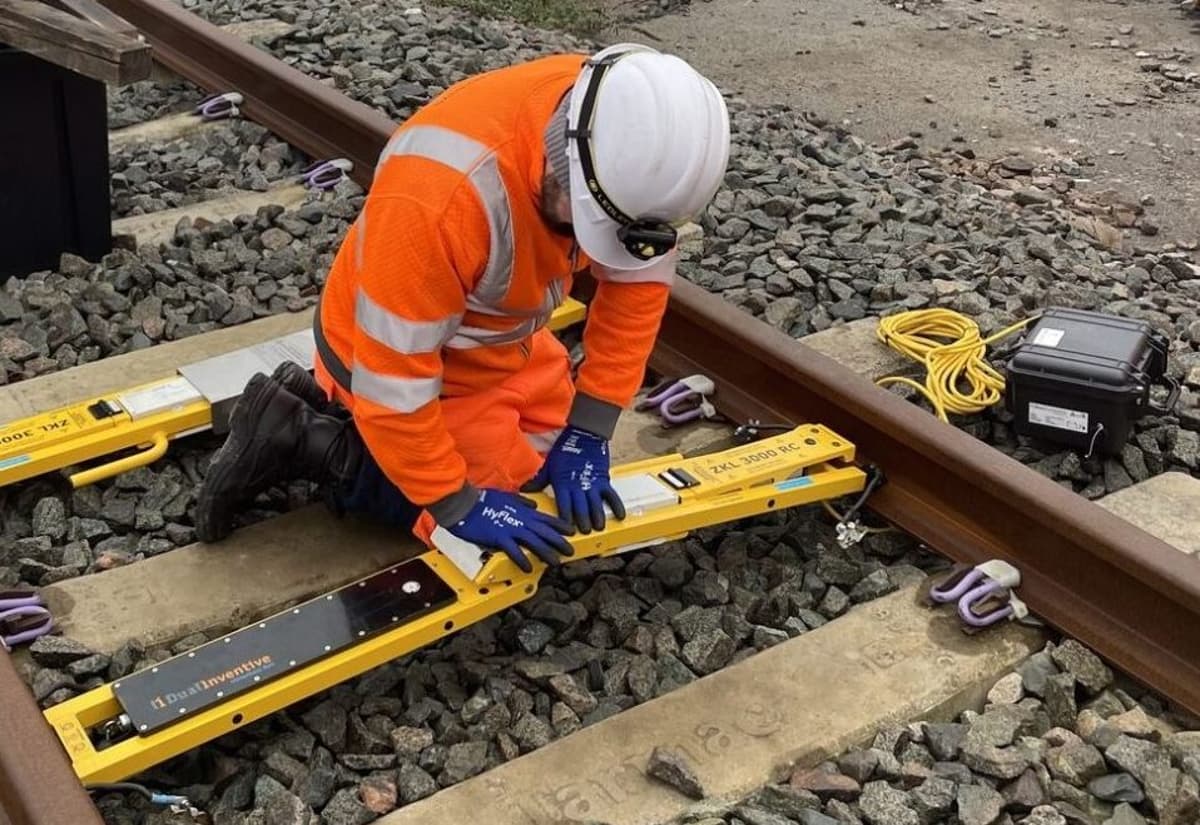
Removing Human Error by Design – The Role of Remote Control in Safer Rail Operations
Why It Matters
Reducing reliance on manual interventions cuts injury risk and operational variability, delivering cost‑effective safety gains for a rail sector under resource pressure.
Key Takeaways
- •Remote control cuts manual steps in rail safety tasks.
- •Centralized real‑time visibility enables early risk detection.
- •Fewer workers exposed to track reduces injury risk.
- •Adoption requires integration, trust, and workforce training.
- •Industry shift moves from procedural checks to system design.
Pulse Analysis
Human error has long been the Achilles' heel of railway safety, rooted in complex, time‑pressured environments where multiple teams coordinate across dispersed locations. Traditional responses—more rules, checks, and training—address symptoms but leave the underlying exposure intact. Modern rail networks now embrace a design‑out philosophy, leveraging digital control platforms that shift hazardous tasks from the track to a protected control room. This transition not only trims procedural steps but also standardises actions, making outcomes more deterministic and less dependent on perfect human performance.
Remote‑control systems deliver tangible safety dividends by consolidating status data, providing instant feedback, and enabling operators to verify protection settings before work begins. Real‑time dashboards expose mismatches between planned and actual conditions—such as missed isolations or delayed access—allowing crews to intervene before an incident unfolds. The result is a measurable reduction in on‑track exposure, tighter access windows, and a more repeatable safety process that aligns with the rail industry's push to do more with fewer resources. Early adopters report fewer near‑misses and a clearer safety culture anchored in technology rather than paperwork.
Adoption, however, is not without friction. Integrating remote control into legacy signalling and procedural frameworks demands rigorous reliability testing, cybersecurity safeguards, and clear role redefinition for frontline staff. Gaining frontline buy‑in hinges on demonstrable system uptime and comprehensive training programs that demystify the new tools. As confidence builds, the industry is moving from pilot projects to standard practice, signalling a broader shift from labour‑intensive safeguards to system‑centric safety design. This evolution positions rail operators to meet rising demand while maintaining, and potentially improving, safety performance.
Removing Human Error by Design – The Role of Remote Control in Safer Rail Operations
Comments
Want to join the conversation?
Loading comments...