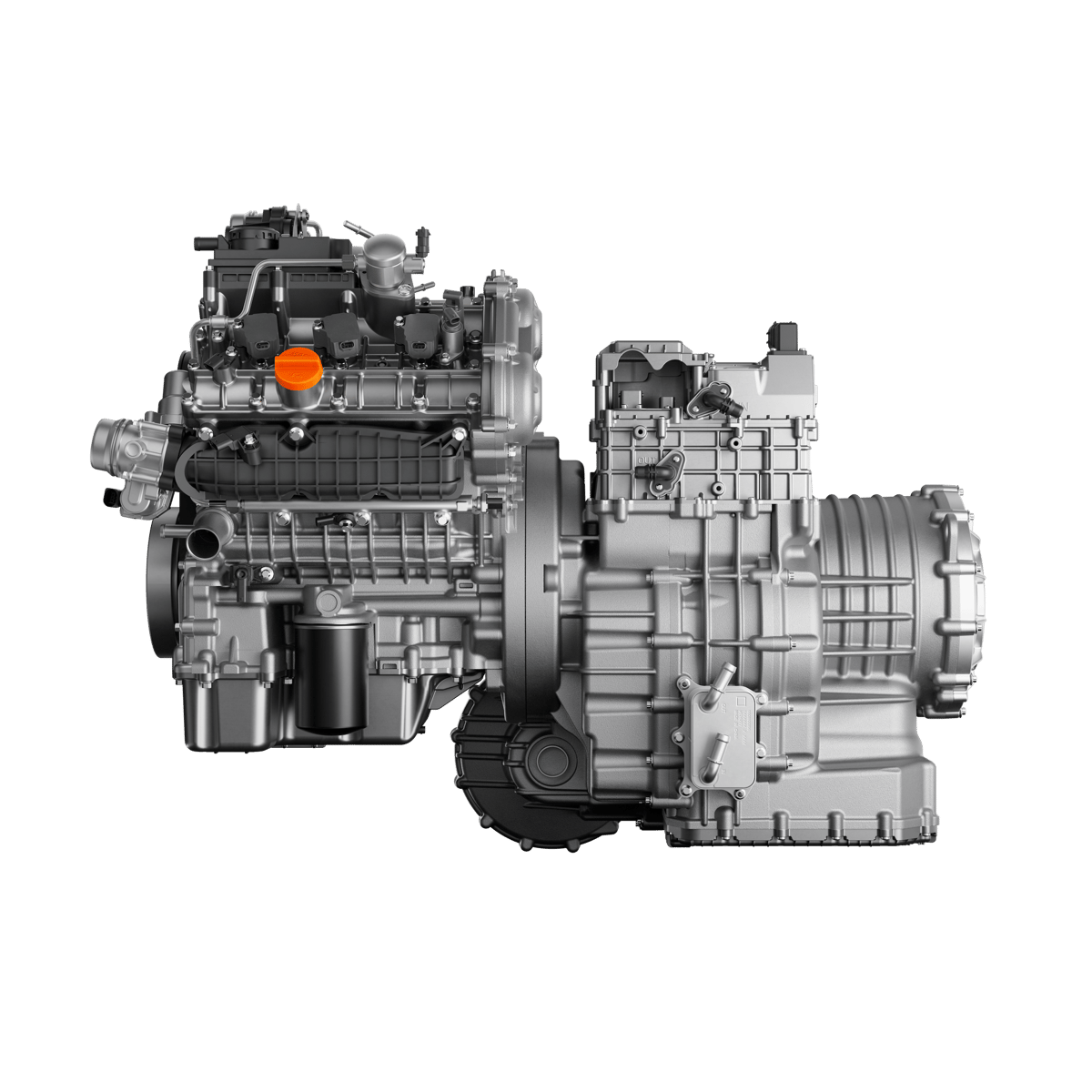
Renault-Geely Joint ICE Venture Horse Powertrain Showcases New Twin-Turbo V-6 for Future Cars
Why It Matters
The W30 showcases a rare blend of extreme internal‑combustion performance and hybrid electrification, signaling that premium ICE development will coexist with electrified powertrains. Its adoption could reshape product strategies for Renault, Geely and their U.S.‑market partners, influencing competition in the high‑performance segment.
Key Takeaways
- •Horse Powertrain unveiled 3.0L twin‑turbo V6, 469‑536 hp
- •Engine weighs 353 lb, redlines at 8,000 rpm
- •Paired with 4LDHT hybrid transmission and two high‑output electric motors
- •Designed for mild or full hybrid applications across Renault‑Geely brands
- •Target launch 2028, possible use in U.S. Nissan or Volvo models
Pulse Analysis
The launch of the Horse W30 V6 underscores a strategic pivot for traditional automakers seeking to stay relevant in an electrifying market. While many OEMs are accelerating pure‑electric programs, Renault and Geely’s joint venture demonstrates that there is still room for high‑output internal‑combustion engines, especially when paired with sophisticated hybrid systems. By leveraging Saudi Aramco’s fuel expertise and shared R&D resources, Horse Powertrain can deliver a lightweight, high‑revving engine that meets stringent emissions standards without sacrificing performance.
Technically, the W30’s 3.0‑liter architecture packs 469‑536 horsepower and a redline of 8,000 rpm, rivaling many V8s on the market. Its integration with the 4LDHT four‑speed hybrid transmission and two electric motors—one delivering up to 402 hp for crankshaft assistance and another providing up to 603 hp for propulsion—creates a modular platform adaptable to both mild‑hybrid and full‑hybrid configurations. The engine’s compact weight of 353 lb and flexible mounting options (transverse or longitudinal) make it attractive for a range of vehicle architectures, from sporty coupes to larger SUVs.
From a business perspective, the W30’s projected 2028 launch could give Renault‑Geely affiliates a competitive edge in the premium performance segment, especially in markets like the United States where consumers still value powerful ICE options. Potential adopters such as Nissan, Mitsubishi, Volvo and Alpine may leverage the powertrain to differentiate future models without incurring the full cost of developing a new engine in‑house. As emissions regulations tighten, the hybrid‑centric design offers a pathway to meet fleet‑average targets while preserving the driving dynamics that many enthusiasts demand, positioning Horse Powertrain as a pivotal player in the next wave of performance‑focused electrified vehicles.
Renault-Geely Joint ICE Venture Horse Powertrain Showcases New Twin-Turbo V-6 for Future Cars
Comments
Want to join the conversation?
Loading comments...