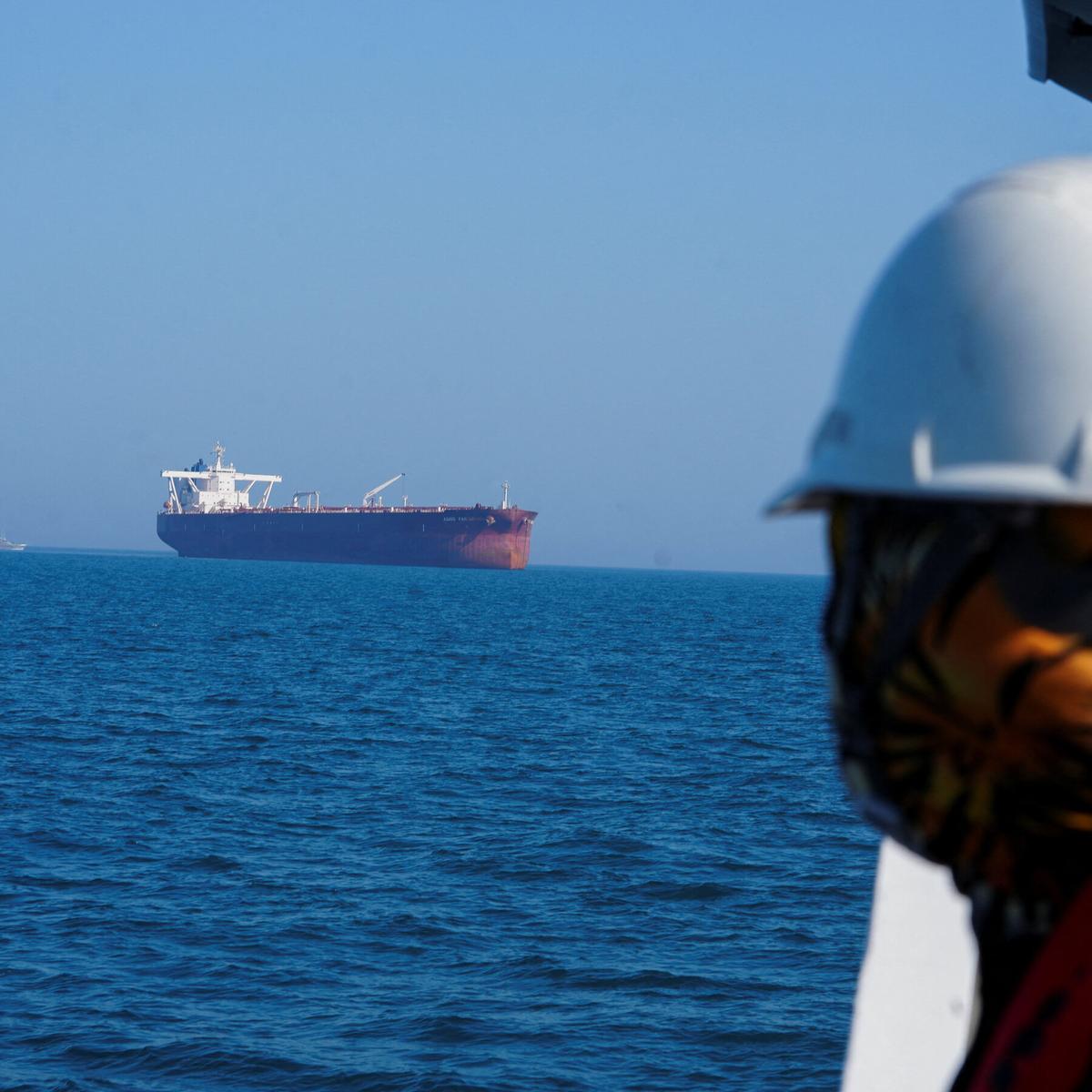
Reopening Strait of Hormuz Would Ease Oil Crisis but Only So Much
Companies Mentioned
Why It Matters
Persistent constraints on the Hormuz passage keep oil prices elevated, affecting inflation and global energy security. The pace of recovery will shape investment and policy decisions across the energy sector.
Key Takeaways
- •Strait of Hormuz remains partially closed despite Iran's 'strict' traffic control
- •Full reopening would still take weeks for Gulf oil to reach markets
- •Gasoline prices likely stay above $3 per gallon in near term
- •Jet fuel and natural gas shortages may persist for weeks
- •Market recovery hinges on durability of Iran‑U.S. détente
Pulse Analysis
The Strait of Hormuz has long acted as the valve for roughly a fifth of the world’s oil supply, and its recent partial closure has reverberated through commodity markets. After the February 28 attacks by the United States and Israel, Iran announced it would reimpose "strict" traffic controls, sending mixed signals to shippers. While the Iranian military hinted at a possible full reopening, the logistical reality of rerouting tankers and restarting production means that oil from Saudi Arabia, Kuwait and Iraq will not surge into global markets for weeks.
Price dynamics reflect this lag. Even if the waterway clears, gasoline in the United States is unlikely to dip below $3 per gallon for the foreseeable future, and the ripple effects extend to jet fuel and liquefied natural gas, where regional shortages could persist. Analysts at Veriten note that the market’s optimism is tempered by the uncertainty surrounding the durability of the Iran‑U.S. détente; without a stable diplomatic environment, producers and traders remain cautious, keeping price volatility high.
Looking ahead, the strategic importance of Hormuz underscores the need for diversified supply chains and increased investment in alternative routes, such as the Red Sea‑Suez corridor and expanding U.S. Gulf Coast refining capacity. Policymakers will monitor diplomatic developments closely, as any escalation could again choke off flow, prompting swift shifts in inventory strategies and hedging activity. For investors, the key takeaway is that while a reopened strait offers a potential easing of the oil crunch, the timeline and stability of the geopolitical backdrop will dictate the true extent of market relief.
Reopening Strait of Hormuz Would Ease Oil Crisis but Only So Much
Comments
Want to join the conversation?
Loading comments...