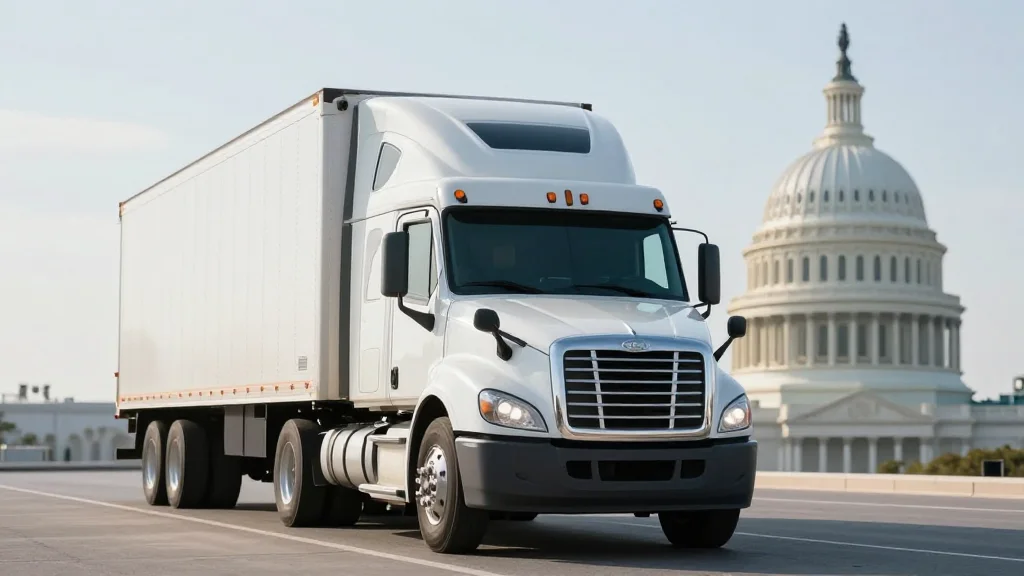
Rep. Rouzer Touts Stronger CDL Rules With Dalilah's Law
Why It Matters
The measure could reshape national CDL standards, enhancing safety but potentially displacing a large segment of the trucking workforce.
Key Takeaways
- •Dalilah’s Law moves to House floor for April vote.
- •Bill tightens English proficiency requirements for CDL applicants.
- •Critics warn up to 200,000 drivers could lose CDLs.
- •ATA supports law for consistent enforcement and safety.
- •Bill also targets CDL mills, freight fraud, and cargo theft.
Pulse Analysis
The push for Dalilah’s Law reflects a growing bipartisan effort to tighten commercial driver‑license (CDL) standards after a series of high‑profile crashes. Named after Dalilah Coleman, a child injured in a 2024 multi‑vehicle collision, the bill gained momentum when President Donald Trump highlighted the issue in his State of the Union. Representative David Rouzer, chair of the Highways and Transit Sub‑committee, has positioned the measure as a “common‑sense” reform, moving it through the Transportation and Infrastructure Committee and onto the House floor for an April vote. The legislation signals a shift toward stricter language verification and federal oversight of state licensing practices.
At its core, Dalilah’s Law mandates that all CDL applicants demonstrate English‑language proficiency, requiring states to certify that drivers can read and speak English before issuance. It also expands penalties for fraudulent “CDL mills,” freight fraud, and cargo theft, and obliges states to certify compliance with federal eligibility rules. While supporters argue the changes will close safety gaps, critics warn that up to 200,000 existing drivers—many of whom passed the same tests as U.S. citizens—could face revocation of their licenses, creating a potential labor shortage in a sector already grappling with driver scarcity.
The American Trucking Associations has thrown its weight behind the bill, emphasizing that uniform enforcement is essential for fleet safety and public confidence. If enacted, the law could set a national benchmark for driver qualification, prompting other regulatory bodies to adopt similar language standards. However, the legislation also intersects with broader immigration debates, as it effectively bars non‑citizen drivers lacking English proficiency. Stakeholders will be watching the House vote closely, as the outcome may reshape the regulatory landscape for trucking, influence labor market dynamics, and affect supply‑chain reliability.
Rep. Rouzer Touts Stronger CDL Rules With Dalilah's Law
Comments
Want to join the conversation?
Loading comments...