Report: Arctic Routes to Remain Peripheral, Especially for Boxships
Why It Matters
The analysis shows that while the Arctic offers niche savings for specific commodities, it will not disrupt global trade balances, limiting its strategic importance for most shippers. Industries such as energy, metals, timber and cereals stand to gain modest cost advantages.
Key Takeaways
- •Arctic routes could cut East Asia‑Europe distance by up to 40%
- •Liquid bulk shipping stands to gain most cost savings
- •Container vessels remain uncompetitive due to size and ice‑breaker costs
- •Only ~3.5% of East Asia‑Europe‑North America trade may use Arctic routes soon
- •Barents Sea accounts for 74% of High‑Arctic sailing distance in 2022
Pulse Analysis
Warming temperatures are steadily reducing sea‑ice cover, turning the Arctic from a seasonal curiosity into a navigable corridor for commercial vessels. The prospect of shaving up to 40 % off the voyage between East Asia and Northern Europe has attracted attention from shippers seeking lower fuel consumption and faster delivery times. Yet, the Coface report cautions that these geographic gains will not translate into a wholesale shift in trade patterns within the next five years. Structural constraints—such as limited port infrastructure, regulatory uncertainty, and the need for ice‑breaker support—keep the Arctic on the periphery of global logistics.
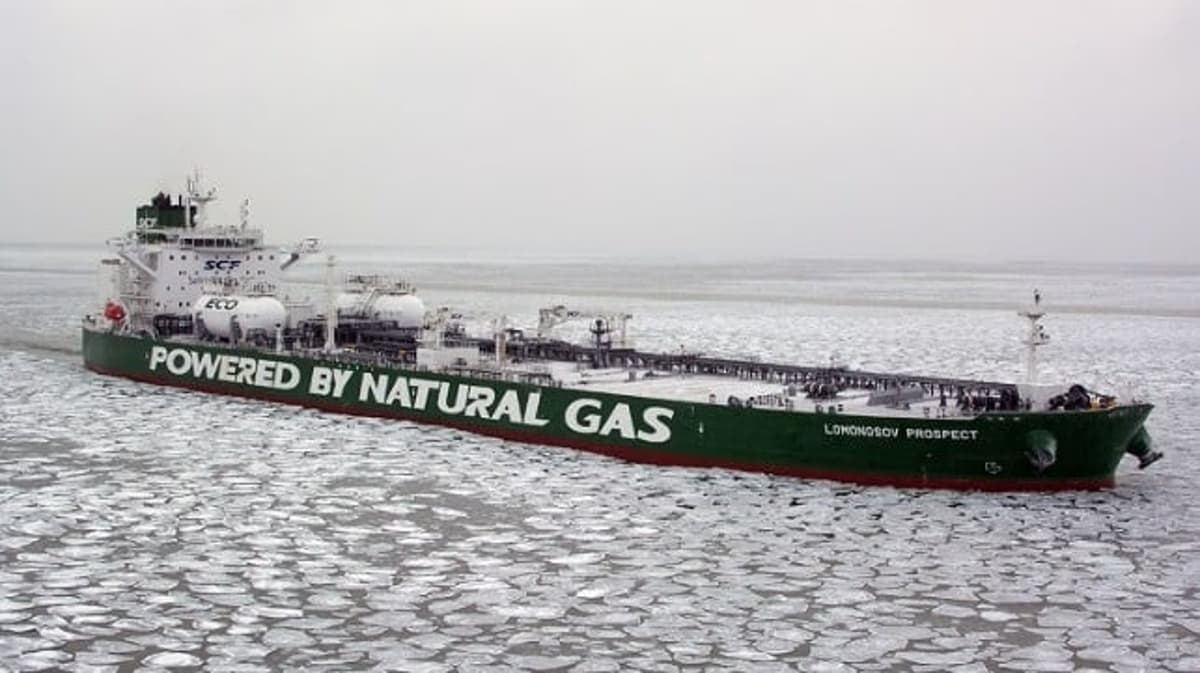
The report identifies liquid‑bulk carriers as the primary beneficiaries. Crude oil, diesel and LNG tankers can exploit shorter routes to cut voyage costs, especially as the Yamal Peninsula LNG project fuels a surge in tanker traffic through the Kara Sea. Dry‑bulk vessels carrying iron ore or coal may also find niche savings, but only when they can operate without ice‑breaker assistance. By contrast, container ships face a double penalty: the Arctic’s narrow channels restrict vessel size, and the premium for ice navigation erodes the economies of scale that drive container freight rates.
Traffic data from the Fram Center underscores the uneven development across the High‑Arctic. In 2022, the Barents Sea alone accounted for 74 % of total sailing distance, driven largely by fishing fleets and growing bulk‑carrier activity linked to Baffin Island iron‑ore projects. The Kara Sea’s distance tripled, reflecting the Yamal LNG surge, while the Northern Canadian Archipelago lagged behind with only a 2,000‑nm increase. These patterns suggest that Arctic routes will remain commodity‑focused, delivering measurable cost advantages to energy, metals, timber and cereal sectors, but will not reshape the broader architecture of world trade.
Report: Arctic Routes to Remain Peripheral, Especially for Boxships
Comments
Want to join the conversation?
Loading comments...