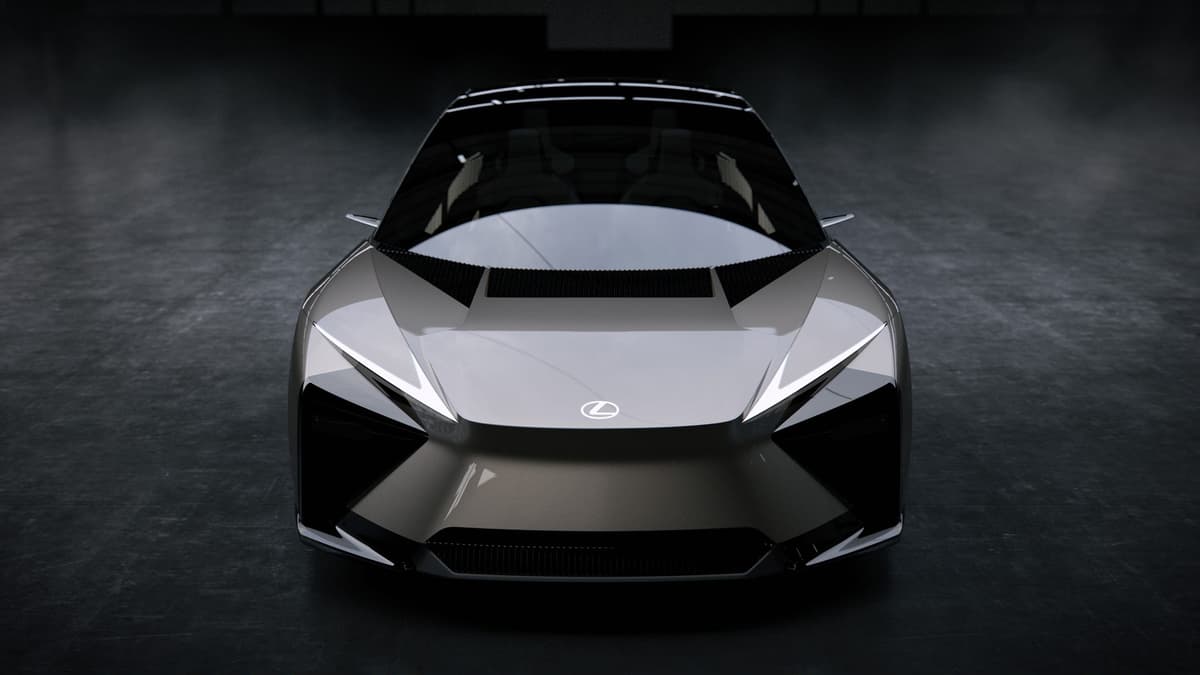
Report: Lexus Cancels Plans to Bring LF-ZC Concept to Production
Companies Mentioned
Why It Matters
The move underscores weakening consumer appetite for premium EVs and forces Lexus to reallocate resources toward more immediately profitable models, reshaping its EV rollout timeline. It also highlights broader industry caution as automakers reassess ambitious electric programs amid uncertain demand.
Key Takeaways
- •Lexus drops LF‑ZC EV sedan slated for 2026 launch
- •Cancellation reflects weak EV demand and planning workload
- •Brand shifts focus to TZ three‑row SUV on TNGA‑K platform
- •Toyota asserts commitment to next‑gen BEV development despite cut
- •LF‑ZC would have showcased power‑dense battery packs
Pulse Analysis
Lexus’s decision to cancel the LF‑ZC electric sedan marks a notable pivot in the luxury brand’s EV strategy. The LF‑ZC, unveiled at the 2023 Tokyo auto show, was positioned as a technology showcase featuring a power‑dense battery pack and a new electric architecture. By targeting a 2026 production debut, Lexus aimed to compete directly with other premium EVs, but the shifting market landscape—characterized by tepid demand and rising development costs—prompted a reassessment of its viability. This cancellation mirrors a broader trend where automakers temper aggressive EV rollouts in response to real‑world sales data.
The immediate fallout for Lexus is a strategic redirection toward the TZ three‑row SUV, which leverages Toyota’s modular TNGA‑K platform rather than a bespoke EV chassis. This approach reduces engineering overhead and accelerates time to market, allowing the brand to capture revenue from a segment that remains robust despite the EV slowdown. By aligning the TZ with existing manufacturing processes, Lexus can achieve better economies of scale and improve profitability, a critical consideration as the company balances its luxury image with fiscal responsibility.
Industry observers view the LF‑ZC cancellation as a bellwether for the premium EV segment. While some competitors double down on flagship electric models, Lexus’s caution signals that even well‑capitalized firms are vulnerable to demand volatility. Toyota’s broader commitment to battery electric vehicles remains intact, but future projects will likely emphasize modularity and cost efficiency. For investors and consumers, the shift suggests a longer horizon for Lexus’s flagship EV debut, with incremental innovations expected to roll out through more pragmatic, platform‑shared models.
Report: Lexus Cancels Plans to Bring LF-ZC Concept to Production
Comments
Want to join the conversation?
Loading comments...