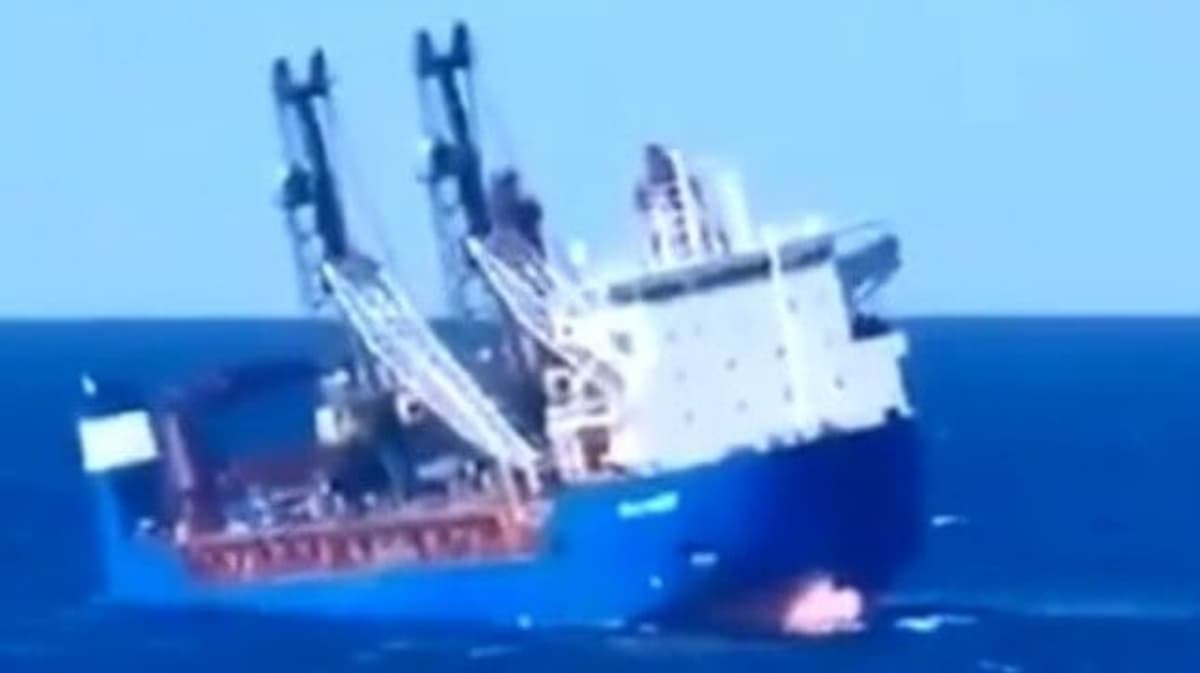
Report Speculates US or NATO Sank Russian Ship Carrying Nuclear Equipment
Why It Matters
The alleged involvement of NATO forces in sinking a vessel transporting nuclear reactor parts raises serious geopolitical tension and highlights vulnerabilities in maritime security for dual‑use cargo. It also underscores the risk of escalation between the West and Russia over illicit arms transfers.
Key Takeaways
- •Ursa Major sank off Spain after suspected torpedo attack
- •Cargo reportedly included components for two submarine‑type nuclear reactors
- •U.S. and NATO surveillance flights over wreck suggest intelligence interest
- •Russian spy ship lingered at site, indicating ongoing strategic monitoring
Pulse Analysis
The sinking of the Ursa Major illustrates how sanctioned maritime assets can become flashpoints in great‑power competition. The vessel, a 9,500‑dwt heavy‑lift ship previously used to ferry Russian equipment from Syria, was listed on U.S. sanctions for transporting dual‑use technology. Its declared cargo—cranes, empty containers and mysterious "manhole covers"—masked the transport of nuclear‑reactor components, a breach of non‑proliferation norms that would attract intense intelligence scrutiny. By situating the incident within the broader context of Russia’s effort to relocate strategic material, analysts can better assess the hidden logistics networks that sustain its military programs.
Speculation that a Barracuda supercavitating torpedo or a limpet mine caused the hull breach adds a layer of covert warfare to the narrative. Only a handful of nations, including the United States, possess such torpedoes, and the presence of U.S. nuclear‑detection aircraft over the wreck in 2025 suggests a deliberate effort to verify the cargo’s nature. If NATO assets were indeed employed, it would mark an unprecedented direct action against a civilian‑registered vessel, raising questions about the legal thresholds for maritime interdiction and the potential for retaliation. The episode also highlights gaps in international maritime law when dealing with dual‑use cargo that blurs the line between commercial shipping and weapons transport.
Beyond the immediate geopolitical drama, the Ursa Major case signals a need for tighter monitoring of high‑risk cargoes and more transparent reporting mechanisms. Shipping registries, port authorities, and satellite surveillance must collaborate to flag vessels carrying components that could be repurposed for weapons of mass destruction. Policymakers may consider expanding sanctions to cover not just end‑users but also the logistical chains that enable illicit transfers. As nations grapple with the dual imperatives of security and free trade, the incident serves as a cautionary tale that the ocean floor can quickly become a battlefield for covert strategic objectives.
Report Speculates US or NATO Sank Russian Ship Carrying Nuclear Equipment
Comments
Want to join the conversation?
Loading comments...