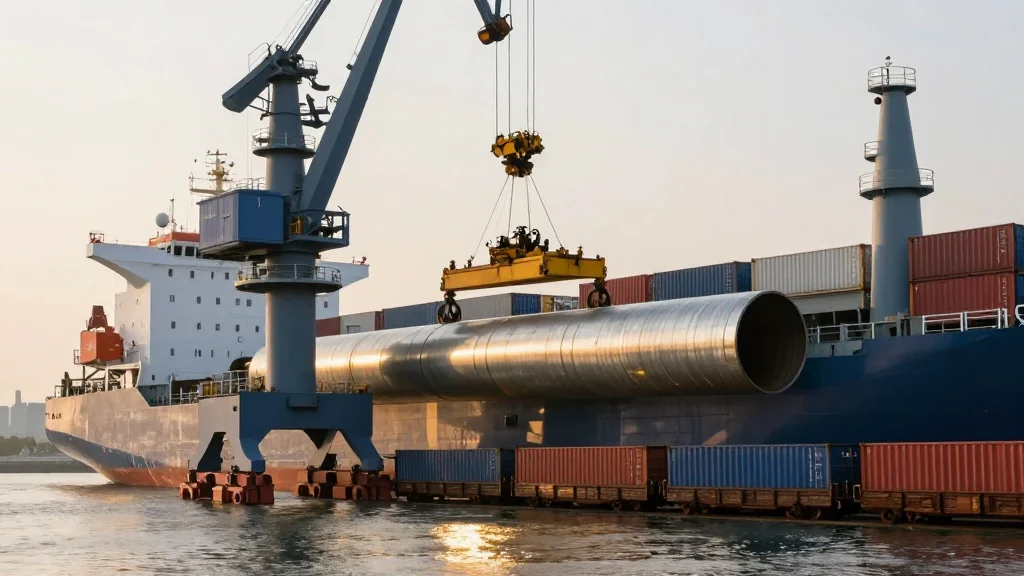
Resilience, Relationships Still Trump Technology in Project Cargo
Why It Matters
The shift toward American energy projects combined with capacity bottlenecks and talent shortages could reshape global supply chains, forcing firms to prioritize long‑term contracts and invest in workforce development, while underscoring the enduring value of relationship‑based logistics.
Key Takeaways
- •Americas, especially Venezuela and Guyana, set to dominate project cargo demand
- •Rail and specialized equipment shortages force two‑year contract commitments
- •Retiring workforce creates “silver tsunami,” widening experience gap with Gen Z
- •Relationships, not tech, remain primary driver in breakbulk logistics
Pulse Analysis
The project‑cargo market is undergoing a geographic realignment that mirrors the broader energy transition. With sanctions and volatility curbing Middle Eastern supply, investors are channeling capital into offshore fields in Venezuela and Guyana, prompting a surge in out‑of‑gauge shipments destined for the Americas. This pivot is not merely a temporary blip; it reflects a strategic diversification of oil and gas assets that will sustain higher cargo volumes for the next decade. As a result, break‑bulk carriers, heavy‑haul specialists, and multimodal operators are scrambling to position assets along new trade lanes between the Gulf of Mexico, the Caribbean, and emerging South‑American ports.
Yet the optimism is tempered by a stark capacity crunch. Rail networks that once handled routine bulk moves are now stretched thin by the influx of oversized modules, while the pool of purpose‑built trailers and barges remains limited. To hedge against unpredictable availability, shippers are signing lease agreements that lock equipment for up to 24 months and awarding freight contracts two years ahead of schedule—far beyond the industry’s typical six‑month window. These longer commitments lock in rates but also reduce pricing flexibility, potentially inflating freight costs for downstream manufacturers.
The human element is emerging as the most critical lever for success. A wave of retirements among veteran crane operators and logistics coordinators—dubbed the “silver tsunami”—is eroding institutional knowledge just as Gen Z entrants, comfortable with digital interfaces but less experienced on the dock, fill the gaps. While AI‑driven tools such as digital twins and autonomous trucks promise efficiency gains, shippers stress that trust, reputation, and personal networks remain the currency that closes deals. Companies that blend technology with robust mentorship programs are likely to capture the next wave of project‑cargo growth.
Resilience, relationships still trump technology in project cargo
Comments
Want to join the conversation?
Loading comments...