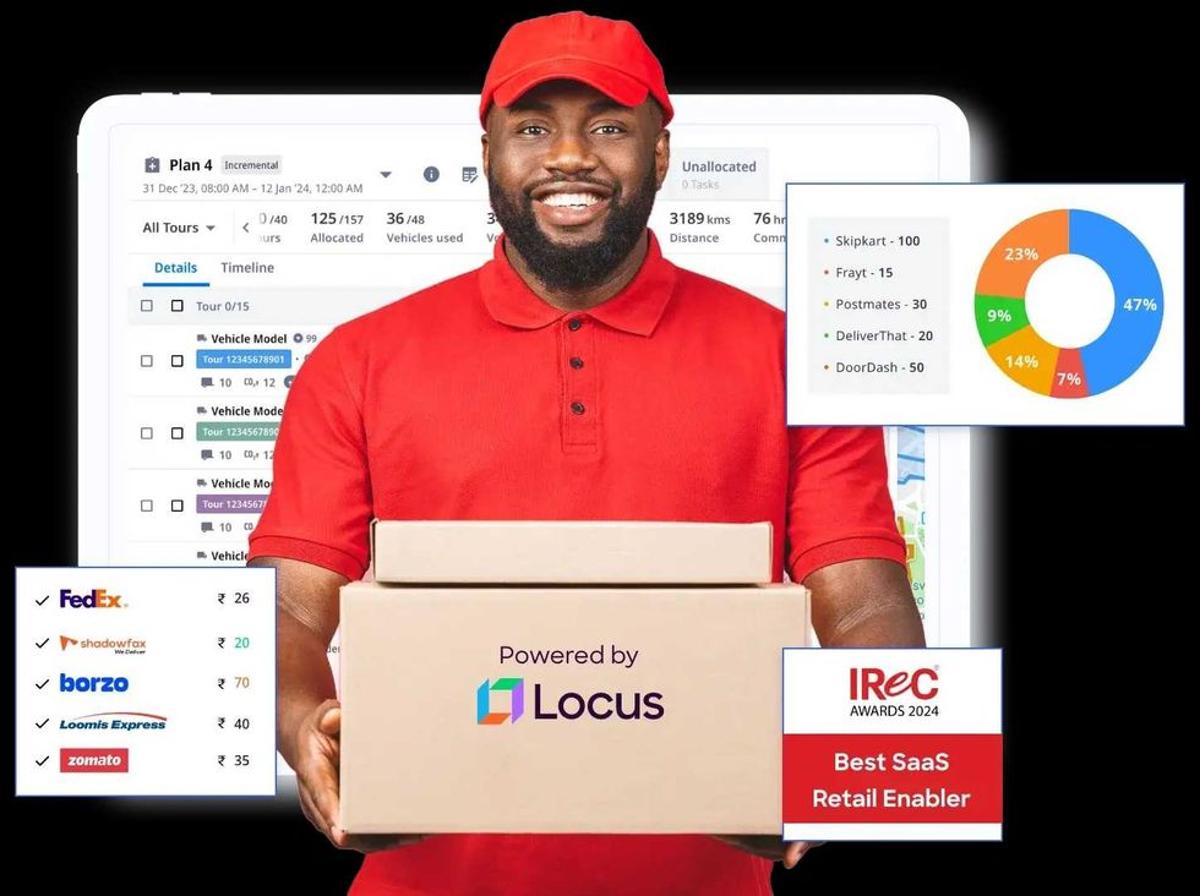
Retail Logistics Faces Growing Demands for Flexible Delivery & Fulfillment
Why It Matters
The findings signal that retailers who fail to modernize logistics with AI‑driven flexibility risk higher costs, missed delivery promises, and lost market share during the critical holiday season.
Key Takeaways
- •Shoppers prioritize on-time delivery, easy returns, and rapid refunds
- •2026 holiday peak will add complexity to order volume and fulfillment
- •AI tools reshape buying patterns, complicating demand forecasting
- •Retailers require AI-native platforms to orchestrate real-time logistics decisions
Pulse Analysis
The latest Locus survey underscores a fundamental shift in consumer expectations for e‑commerce fulfillment. Shoppers no longer judge a retailer solely on how fast an order arrives; they evaluate whether the delivery window is accurate, how simple the return process is, and how quickly refunds are processed. This broader view of the delivery experience is becoming a decisive factor in brand loyalty, especially as the 2026 winter holiday season promises record order volumes. Retailers that can guarantee a seamless end‑to‑end journey will differentiate themselves in an increasingly crowded market.
Artificial intelligence is accelerating this transformation. Tools like ChatGPT, Claude, and other generative models are now embedded in the shopping journey, helping consumers discover new brands, compare specifications, and bundle purchases. While these assistants expand choice, they also introduce greater unpredictability into demand patterns, making traditional forecasting models less reliable. Logistics teams must therefore adopt AI‑native platforms that ingest real‑time shopper signals, predict volume spikes, and dynamically allocate carrier capacity. Such systems can automatically reroute shipments, adjust delivery windows, and flag exceptions for human intervention, ensuring operational agility.
For retailers, the strategic imperative is clear: invest in autonomous, AI‑driven logistics infrastructure that balances flexibility with cost discipline. By integrating decision‑making engines that span order intake, warehouse management, and last‑mile delivery, companies can maintain service promises without inflating expenses. Moreover, a data‑rich, AI‑enabled fulfillment network enables rapid response to returns and refunds, preserving cash flow and customer goodwill. As the holiday peak looms, firms that master this blend of technology and operational rigor will secure both short‑term revenue and long‑term brand equity.
Retail logistics faces growing demands for flexible delivery & fulfillment
Comments
Want to join the conversation?
Loading comments...