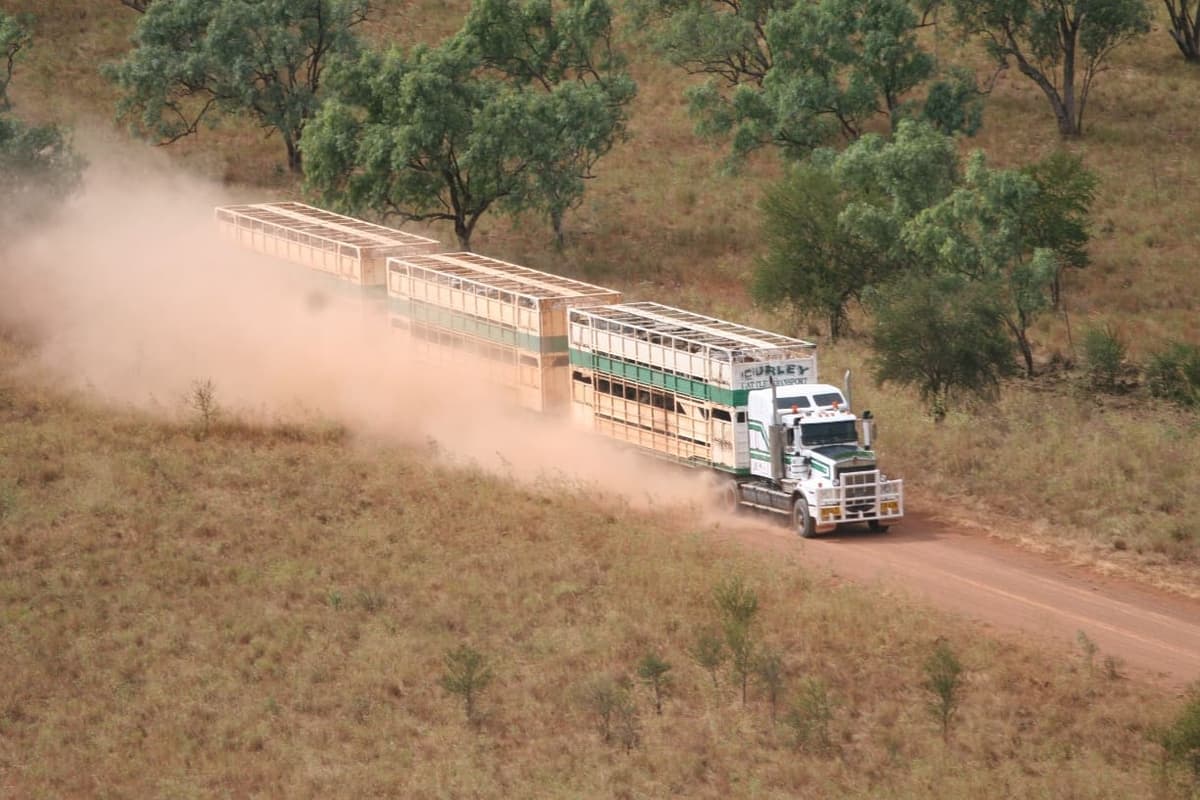
Revised NHVR Master Code of Practice Offers Practical Support for Stock Transport
Why It Matters
By providing clear, actionable safety standards, the Master Code helps livestock businesses reduce accidents, protect animal welfare, and avoid costly regulatory penalties, strengthening the overall supply chain.
Key Takeaways
- •NHVR released 2026 Master Code for livestock transport safety
- •Provides practical guidance for Chain of Responsibility parties
- •Highlights hazards, safe access routes, and vehicle movement controls
- •Bridges legal duties with everyday business decisions
- •NHVR will host webinars to aid industry adoption
Pulse Analysis
The National Heavy Vehicle Regulator (NHVR) has long overseen Australia’s heavy‑vehicle safety framework, but livestock transport has presented unique challenges. Moving cattle, sheep, and other animals across vast distances involves not only vehicle dynamics but also animal welfare, biosecurity, and off‑road site constraints. Prior guidance was fragmented, leaving many operators uncertain about their legal responsibilities under the Heavy Vehicle National Law. The release of a revised Master Code of Practice in early 2024 seeks to close that gap by consolidating best‑practice standards into a single, industry‑focused document.
The 2026 Master Code delivers practical, step‑by‑step advice for every party in the Chain of Responsibility (CoR). It outlines specific hazards—such as loading ramps, vehicle sway, and temperature extremes—and prescribes controls like pre‑trip risk assessments, designated safe access routes, and real‑time communication of vehicle movements on premises. By translating legal duties into everyday operational decisions, the code helps operators, drivers, and on‑site handlers align compliance with business efficiency. NHVR Acting Director of Policy Implementation Susannah McGirr emphasizes that the guidance bridges the gap between regulation and day‑to‑day safety choices.
Industry response has been positive, with NHVR already planning webinars and interactive workshops to accelerate adoption. For livestock producers, the code offers a clear roadmap to reduce accidents, protect animal welfare, and avoid costly penalties under the Heavy Vehicle National Law. Wider compliance also benefits insurers and supply‑chain partners by lowering incident‑related claims and improving delivery reliability. As the Australian livestock sector seeks to meet both domestic demand and export standards, the Master Code positions safety as a competitive advantage rather than a regulatory hurdle.
Revised NHVR Master Code of Practice offers practical support for stock transport
Comments
Want to join the conversation?
Loading comments...