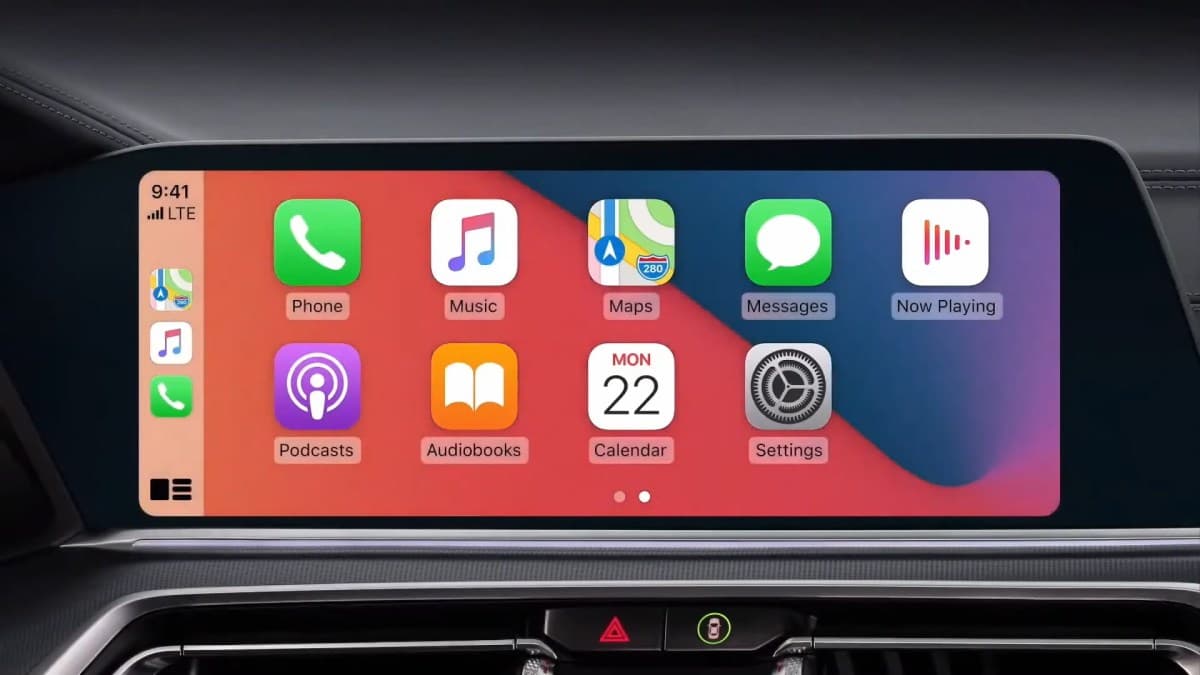
Rivian Software Chief Says Apple CarPlay and Android Auto Are Redundant in the World of AI
Companies Mentioned
Why It Matters
By eliminating third‑party mirroring platforms, Rivian can own the entire user journey, opening doors for subscription services, e‑commerce and targeted advertising. The move could reshape industry standards for vehicle connectivity and set a precedent for AI‑centric infotainment.
Key Takeaways
- •Rivian aims to replace CarPlay with AI‑driven voice assistant
- •AI integration promises seamless, native app experiences
- •Automakers gain full control over in‑car revenue streams
- •Voice‑first approach reduces reliance on smartphone compatibility
- •Industry may shift toward proprietary AI infotainment platforms
Pulse Analysis
Rivian’s bold declaration that Apple CarPlay and Android Auto are becoming obsolete reflects a broader industry trend toward AI‑centric vehicle interfaces. Traditional screen‑mirroring solutions, while convenient, force third‑party apps to dominate the infotainment screen, diluting the automaker’s brand experience. By embedding large‑language‑model capabilities directly into the vehicle’s operating system, Rivian can interpret natural language commands, retrieve information, and even execute complex tasks such as navigation or media selection without ever leaving the native UI. This approach not only streamlines driver interaction but also sidesteps the technical challenges of maintaining compatibility across ever‑evolving smartphone ecosystems.
The strategic advantage for automakers lies in the newfound ability to monetize the digital cockpit. With a proprietary AI assistant, manufacturers can bundle subscription‑based services, integrate e‑commerce checkout flows, and serve context‑aware advertising—all within a controlled environment. Unlike CarPlay or Android Auto, which are largely revenue‑neutral for OEMs, an AI platform becomes a direct profit center, enabling data‑driven personalization and upsell opportunities. Moreover, a unified voice‑first interface reduces the need for costly hardware upgrades, as software updates can continuously enhance functionality throughout a vehicle’s lifecycle.
However, the transition is not without hurdles. Developing a robust, agentic AI that matches the reliability of established smartphone apps requires substantial investment in data pipelines, safety validation, and regulatory compliance. Early adopters must also address consumer expectations; many drivers still trust the familiarity of CarPlay and Android Auto. As AI models mature and automakers refine their integration strategies, the balance between convenience, safety, and monetization will determine whether AI‑only infotainment becomes the new norm or remains a niche offering for tech‑forward brands like Rivian.
Rivian Software Chief Says Apple CarPlay and Android Auto Are Redundant in the World of AI
Comments
Want to join the conversation?
Loading comments...