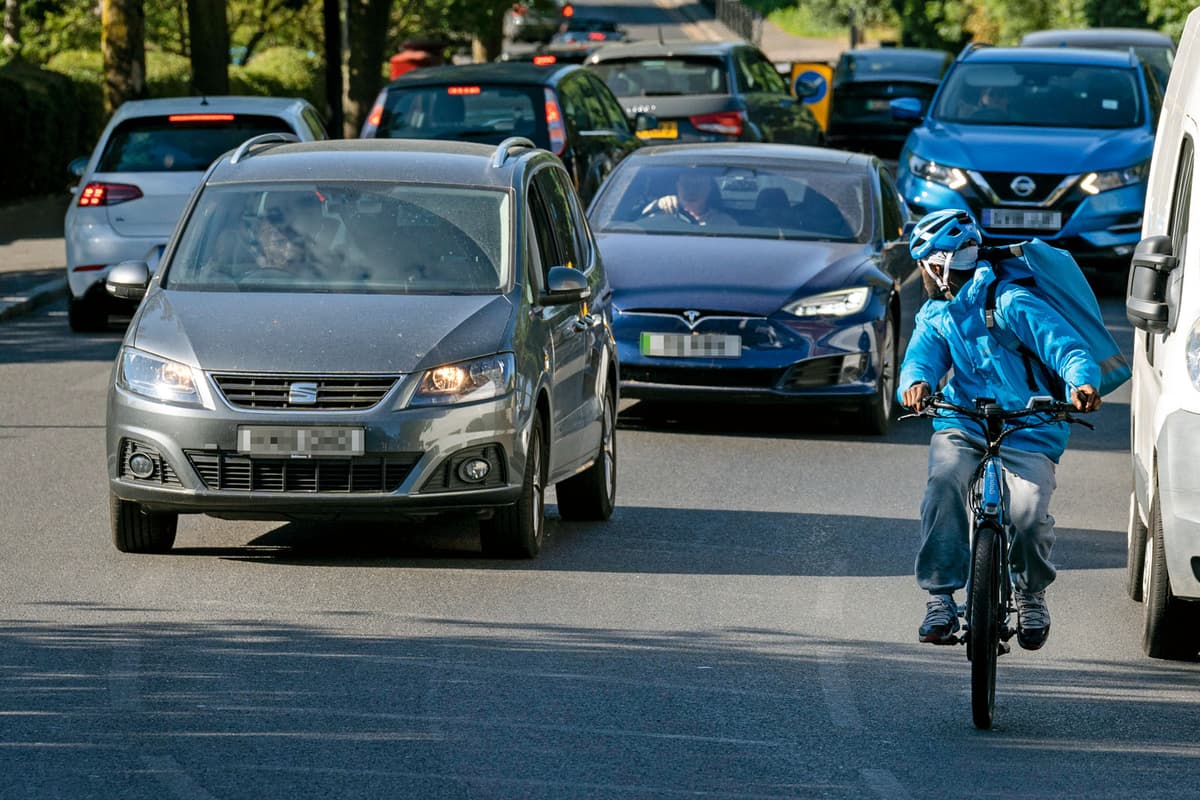
Road Rage Incidents Spiral as Stress Mounts for UK Drivers
Why It Matters
The rise in aggression threatens road safety and increases fatality risk, while mounting driver stress signals broader societal pressures that could strain public health and transport policy. Addressing both behavioral and infrastructure factors is essential for reducing accidents and improving overall traffic efficiency.
Key Takeaways
- •Road‑rage police reports rose 34% from 2021‑2025
- •10% of 2023 UK road deaths linked to aggression
- •Ooono study: top stressors are sleep, work, finances
- •336.9 bn vehicle miles driven in year to June 2025
- •Streetworks caused 270 hours driver delay over five days
Pulse Analysis
The spike in UK road‑rage incidents reflects a convergence of personal stress and a congested road environment. Ooono’s survey shows that one‑third of drivers are battling sleep deficits, while nearly a quarter cite work and financial pressures as daily burdens. When these anxieties spill onto the road, they manifest as tailgating, abrupt lane changes and other aggressive maneuvers that elevate crash risk. Policymakers and insurers are therefore watching driver well‑being as a leading indicator of traffic safety, prompting calls for broader mental‑health initiatives alongside traditional enforcement.
Infrastructure strain compounds the problem. The Department for Transport reports 336.9 billion vehicle miles logged in the year ending June 2025, a near‑pre‑pandemic level that fuels higher exposure to conflict. Simultaneously, street‑work activity has surged, with 2.2 million projects in England alone between 2023 and 2024. A typical five‑day street‑work zone can add 270 hours of collective delay, creating bottlenecks that heighten driver frustration and trigger aggressive responses. Urban planners are thus urged to integrate smarter scheduling and real‑time communication tools to mitigate the friction points that ignite road‑rage.
The demographic tilt toward younger drivers—those aged 17‑34—suggests a need for targeted education and behavioral interventions. Experts like therapist Lisa Murphy recommend simple breathing techniques to defuse tension, but scaling such practices requires collaboration between employers, insurers and driver‑training programs. As the UK grapples with rising aggression on its roads, a dual strategy that addresses both the underlying stressors and the physical road environment will be critical to reversing the trend and safeguarding public safety.
Road rage incidents spiral as stress mounts for UK drivers
Comments
Want to join the conversation?
Loading comments...