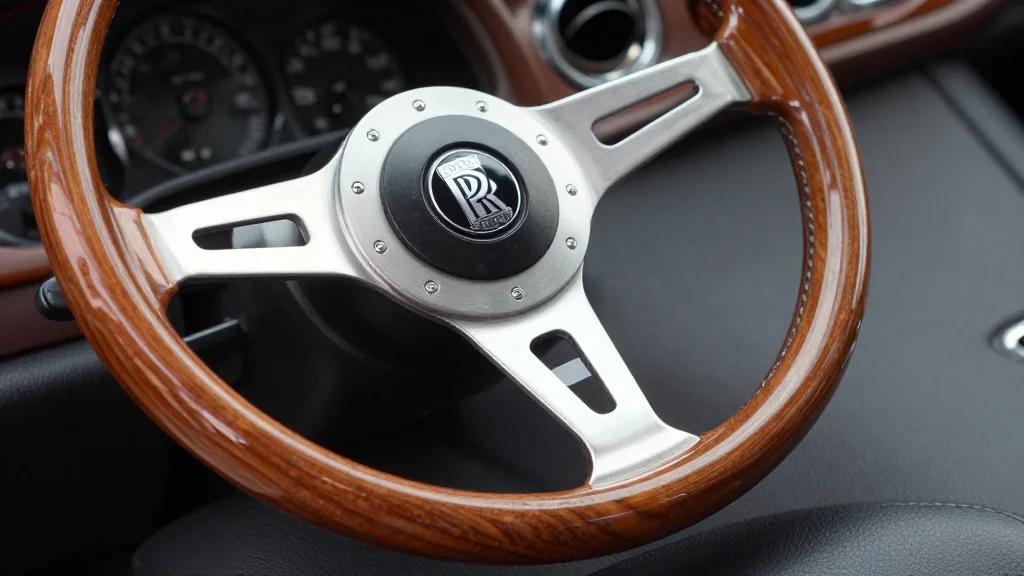
Rolls‑Royce Hires Cabinet Makers and Tattoo Artists for 100‑unit Electric Two‑seater

Companies Mentioned

Rolls‑Royce
Why It Matters
Rolls‑Royce’s recruitment of cabinet makers and tattoo artists underscores a broader industry trend where luxury automakers are leveraging artisanal talent to differentiate ultra‑high‑end electric vehicles. By committing £300 million ($381 million) to expand Goodwood, the company signals confidence that bespoke EVs can command premium prices despite broader market pressures. The Nightingale’s limited‑run strategy also reinforces scarcity as a core value proposition in the luxury segment, potentially prompting competitors to adopt similar hyper‑personalized approaches. As the EV transition accelerates, Rolls‑Royce’s blend of heritage craftsmanship with cutting‑edge electrification could reshape consumer expectations for what a premium electric car can be.
Key Takeaways
- •Rolls‑Royce is hiring cabinet makers, tattoo artists and other artisans for Project Nightingale
- •All 100 electric two‑seater units are already sold with a waiting list forming
- •£300 million ($381 million) Goodwood expansion adds 40,000 sq m for bespoke production
- •CEO Chris Brownridge emphasized agility, resilience and a "very exciting future" for the brand
- •Scarcity is central: only 100 cars will be built, reinforcing the brand’s ultra‑luxury positioning
Pulse Analysis
Rolls‑Royce’s decision to embed traditional craftspeople into the production line is more than a marketing gimmick; it’s a strategic hedge against the commoditization of electric vehicles. While mainstream EV makers compete on range, price and technology, the British marque is carving out a niche where the vehicle itself becomes a canvas for personal expression. This mirrors trends in other luxury sectors—watchmaking, fashion and even high‑end audio—where scarcity and hand‑crafted detail command outsized margins.
Historically, Rolls‑Royce has survived multiple industry upheavals by doubling down on its bespoke heritage. The £300 million Goodwood expansion, funded entirely by the company, signals that the brand expects the Coachbuild Collection to become a recurring revenue stream rather than a one‑off experiment. By limiting the Nightingale to 100 units, the automaker creates a controlled supply that fuels secondary‑market prices, further enhancing the perceived value of ownership.
Looking forward, the success of Project Nightingale could prompt other luxury OEMs to explore similar artisanal collaborations, potentially spawning a sub‑segment of "artisan‑crafted" EVs. However, the model’s viability hinges on maintaining the delicate balance between hand‑built exclusivity and the scalability required to meet future demand. If Rolls‑Royce can replicate this approach across multiple body styles without diluting its brand cachet, it may set a new template for luxury electrification that blends heritage with high‑tech, ensuring the marque remains relevant in a rapidly evolving transportation landscape.
Rolls‑Royce hires cabinet makers and tattoo artists for 100‑unit electric two‑seater
Comments
Want to join the conversation?
Loading comments...