ROMIS Mobile Maintenance Train: Modular Solutions for Railway Infrastructure
•March 9, 2026
0
Why It Matters
The ROMIS MMT offers rail operators a scalable, all‑in‑one solution that cuts project timelines and operational costs, strengthening competitiveness in a tightening infrastructure market.
Key Takeaways
- •Modular train adapts to single, double, triple unit needs
- •Supply unit centralizes power, consumables for extended missions
- •Store car includes crane, on‑site workshop, spare parts storage
- •Work unit expands workspace, crane‑accessible for precise tasks
- •System boosts railway maintenance efficiency and reduces downtime
Pulse Analysis
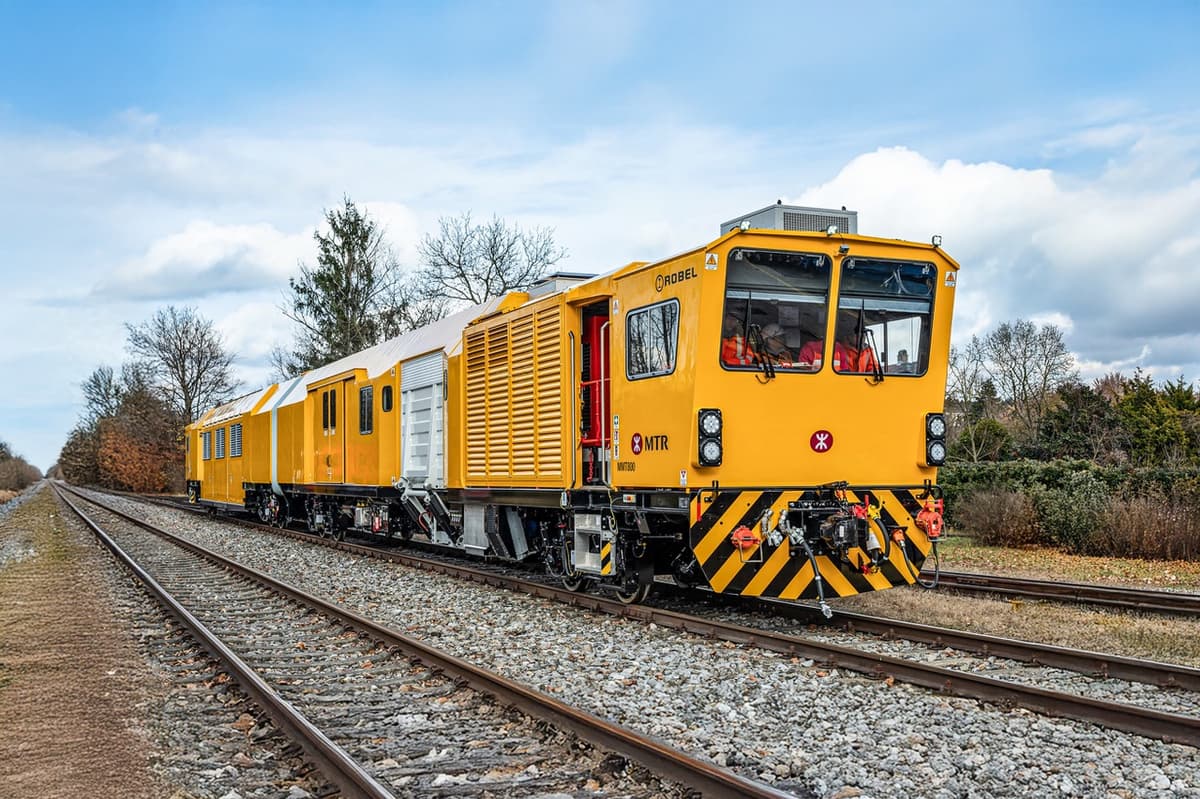
Railway infrastructure owners face mounting pressure to keep tracks operational while accommodating higher traffic volumes and stricter safety standards. Traditional maintenance fleets often require multiple specialized vehicles, leading to logistical complexity and increased downtime. The ROMIS Mobile Maintenance Train addresses these challenges by consolidating power generation, material storage, and work platforms into a single, configurable train set. This modular approach not only streamlines deployment but also aligns with the broader industry shift toward integrated, on‑site solutions that minimize disruption to service.
Each ROMIS unit serves a distinct purpose. The Supply car acts as a mobile power plant, delivering electricity, fuel and consumables to sustain prolonged work periods without external support. The Store car functions as a rolling workshop, equipped with a built‑in crane, extensive tool storage and workbenches, enabling technicians to perform repairs and component swaps directly on the track. Meanwhile, the Work car provides an expandable workspace that can be accessed by crane, allowing precise placement of heavy equipment and facilitating complex construction tasks. Together, these modules create a flexible, self‑contained system that can be scaled up or down based on project scope.
The strategic implications for rail operators are significant. By reducing the number of separate vehicles needed, the ROMIS MMT cuts fuel consumption, labor hours and coordination overhead, delivering a clear return on investment. Its adaptability makes it suitable for a range of applications, from routine track inspections to large‑scale line upgrades, positioning it as a competitive asset in a market where efficiency and reliability are paramount. As rail networks worldwide modernize, modular maintenance solutions like ROMIS are poised to become standard tools for sustaining high‑capacity, low‑downtime operations.
ROMIS Mobile Maintenance Train: Modular Solutions for Railway Infrastructure
0
Comments
Want to join the conversation?
Loading comments...