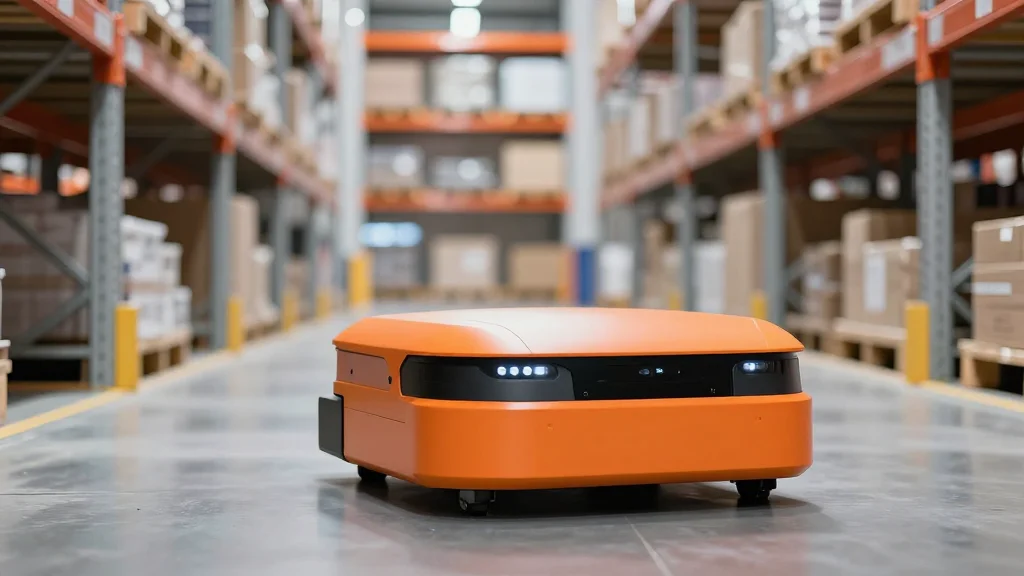
Roundup: Warehousing Automation Benefits
Why It Matters
The combined operational gains, safety improvements, and AI‑enhanced efficiency signal a paradigm shift for supply‑chain cost structures and labor strategies worldwide.
Key Takeaways
- •6% of global warehouses will use automation by 2027
- •Decathlon doubled orders in Portugal after robot deployment
- •Worker walking distance cut from >6 miles to <1 mile
- •MIT‑Symbotic AI system boosts robot throughput 25%
Pulse Analysis
The push toward warehouse automation is no longer a niche experiment; it’s becoming a mainstream strategy as firms chase higher throughput and lower labor costs. By 2027, more than six percent of warehouses worldwide will have integrated some form of robotics, according to Interact Analysis. Early adopters are learning that success hinges on disciplined planning—process mapping to pinpoint true bottlenecks, seamless WMS‑robot integration, phased rollouts, and built‑in exception handling for irregular SKUs and returns. These best‑practice pillars reduce implementation risk and accelerate the payback period, making automation a financially viable option for mid‑size operators as well as global giants.
Decathlon’s recent rollout across seven European sites provides a concrete illustration of the upside. In Portugal, order volume surged from 57,000 to 114,000 weekly, while picker travel distance collapsed from over six miles to under one mile per shift. The human‑robot collaboration also halved the injury rate, moving from one incident per 5,000 picks to one per 10,000. Such metrics underscore how automation can simultaneously lift productivity, cut ergonomic strain, and improve safety—a trifecta that resonates with both investors and labor regulators.
Beyond the hardware, artificial‑intelligence research is reshaping how robots navigate crowded aisles. MIT researchers, partnered with Symbotic, applied deep reinforcement learning to prioritize robot movements, dynamically rerouting units before congestion forms. Simulations showed a 25% increase in throughput compared with conventional scheduling algorithms, and the trained model adapts to varied warehouse layouts. This AI‑driven traffic control promises to unlock further efficiency gains, positioning smart warehouses as the next frontier in supply‑chain resilience and cost competitiveness.
Roundup: Warehousing Automation Benefits
Comments
Want to join the conversation?
Loading comments...