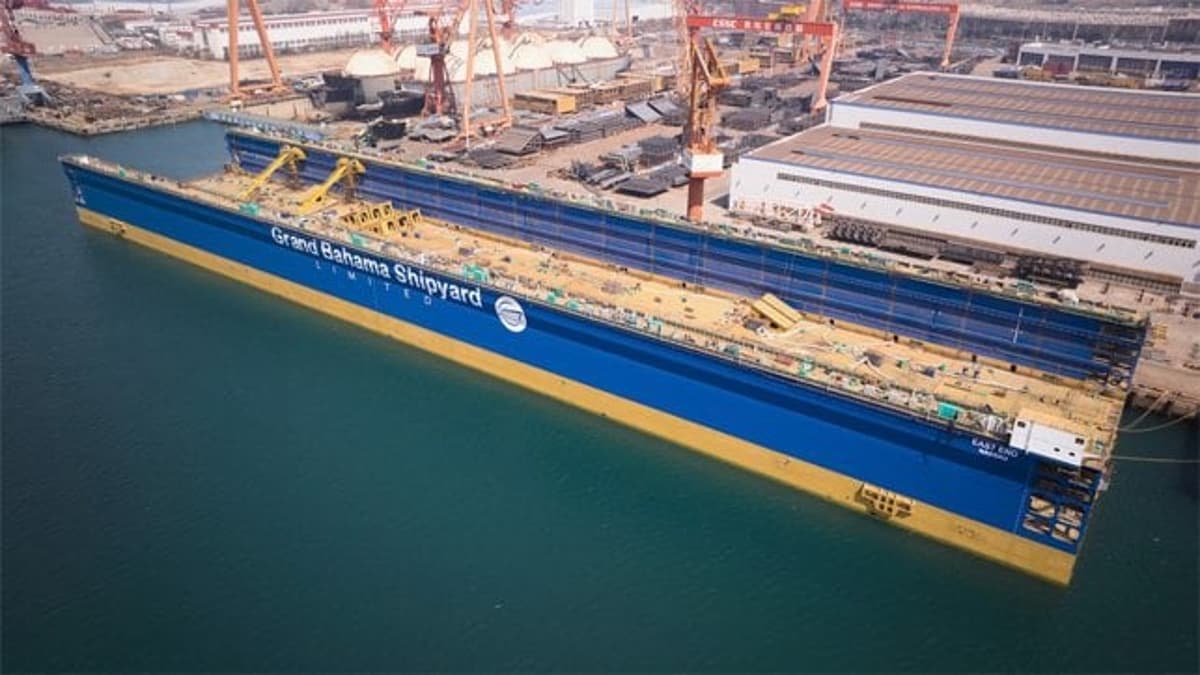
Royal Caribbean Group Proposes Ship Repair Yard for Panama's Pacific Coast
•March 6, 2026
0
Why It Matters
The yard would reduce maintenance costs and turnaround times for Pacific‑operating cruise ships while bolstering Panama’s economy and global shipping relevance.
Key Takeaways
- •Royal Caribbean plans 400‑meter, 130,000‑ton floating dry dock
- •Site proposed near Puerto Armuelles, Panama’s Pacific coast
- •Project could create 500‑800 local jobs
- •Yard would serve cruise ships and large container vessels
- •Panama aims to strengthen its maritime hub status
Pulse Analysis
The Pacific side of the Panama Canal has long suffered from a paucity of heavy‑lift ship repair facilities, forcing operators to route vessels to Asia for dry‑docking. This logistical hurdle adds weeks of transit time and significant expense, especially for cruise lines that operate tight itineraries. By situating a 130,000‑ton floating dry dock within the country’s own waters, Royal Caribbean can dramatically cut these costs, improve vessel availability, and gain greater control over maintenance scheduling.
Beyond operational efficiencies, the proposed yard promises a substantial economic stimulus for the historically under‑developed Puerto Armuelles region. Estimates of 500 to 800 direct jobs translate into ancillary growth in construction, logistics, and hospitality sectors. Panama’s leadership views the project as a catalyst to elevate the nation’s status from a transit point to a full‑service maritime hub, complementing ongoing upgrades at the smaller Balboa yard and leveraging the country’s strategic canal position.
For the cruise industry, the new facility could unlock the deployment of larger ships on Pacific routes, a market currently constrained by limited repair infrastructure. Competitors like Carnival have already faced costly workarounds, such as partial ship modifications for dry‑dock access. Royal Caribbean’s investment signals confidence in Pacific expansion and may prompt other operators to seek similar capabilities, potentially reshaping vessel design trends and itinerary planning across the region. The yard’s multi‑use design, also accommodating container vessels, positions it as a versatile asset in the evolving global shipping landscape.
Royal Caribbean Group Proposes Ship Repair Yard for Panama's Pacific Coast
0
Comments
Want to join the conversation?
Loading comments...