Royal Jordanian’s Strange Air Marshals: Sort Of Undercover But Very Obvious
Companies Mentioned
Why It Matters
The omnipresent security presence influences passenger perception of safety and operational transparency, while its efficacy is debated given modern risk vectors like pilot mental health and explosives.
Key Takeaways
- •Royal Jordanian places air marshals on every flight, seats hidden from map
- •Marshals sit consistently in last‑row business‑class aisle or center seats
- •They often sleep, watch entertainment, and carry weapon bags to lavatories
- •Jordan’s approach contrasts with U.S. selective, covert air‑marshal program
- •Effectiveness questioned as modern threats target pilot health and explosives
Pulse Analysis
Air marshal programs have long been a cornerstone of aviation security, but their design varies widely across regions. In the United States, the Federal Air Marshal Service deploys a handful of covert officers on select flights, relying on anonymity to deter hostile actions. By contrast, several Middle Eastern carriers—including EgyptAir and Royal Jordanian—adopt a blanket‑coverage model, stationing uniformed security officers on every departure. Jordan’s civil aviation authority mandates these officers, and the airline even removes their seats from the electronic seat map, signaling a transparent yet unconventional approach to in‑flight safety.
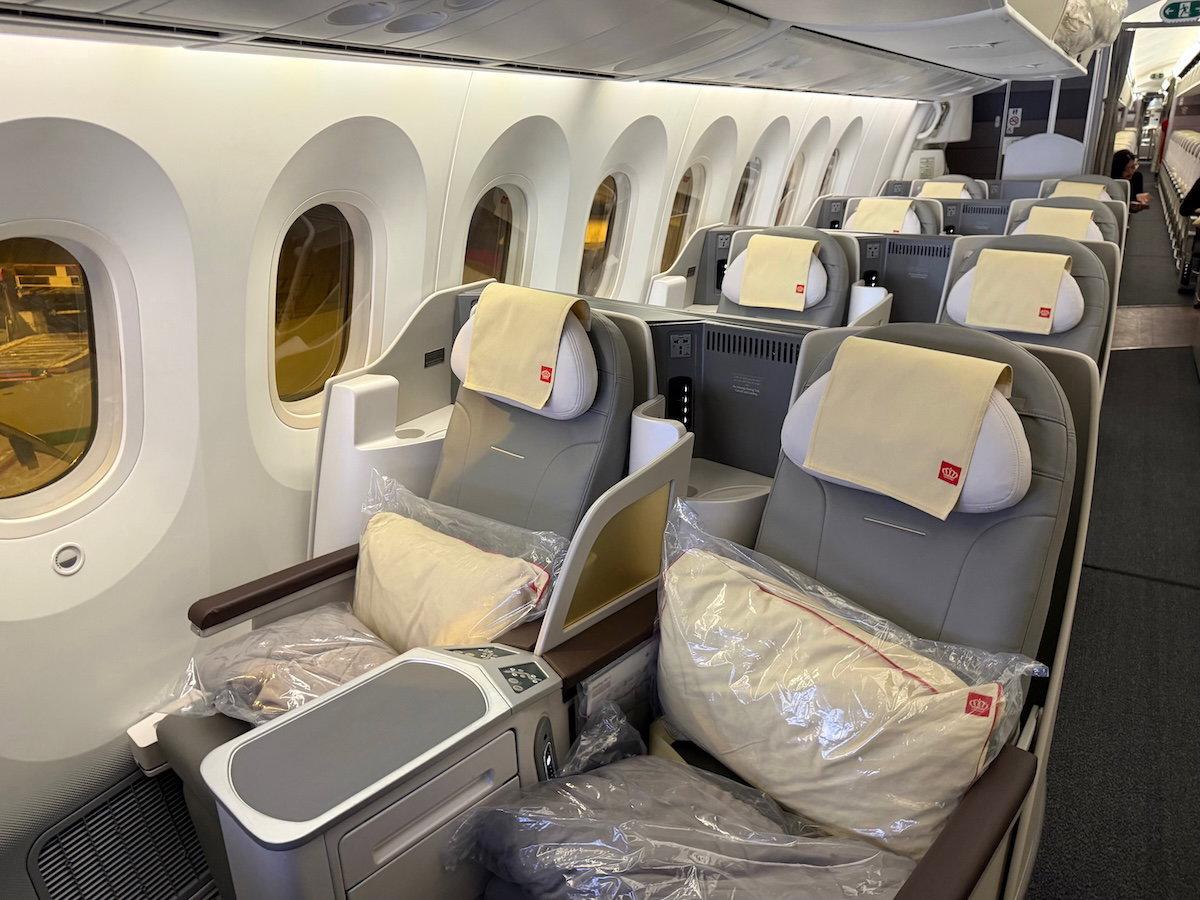
The practical impact of Royal Jordanian’s model is evident inside the cabin. Observers note that marshals consistently occupy the last row of business class, either the left‑hand aisle seat on narrow‑body aircraft or the central seat on wide‑bodies, and they often blend in by watching the inflight entertainment system, sleeping, and carrying small bags to the lavatory—presumably for weapons. This predictable placement simplifies crew coordination but also makes the officers easily identifiable, potentially diminishing the deterrent effect that secrecy provides. For passengers, the visible presence can be reassuring, yet it may also raise privacy concerns.
As aviation threats evolve, the utility of an all‑flight air marshal roster is under scrutiny. Recent incidents highlight pilot mental‑health crises and the risk of concealed explosives, challenges that a single cabin officer may be ill‑equipped to address. Experts suggest reallocating resources toward cockpit security, advanced screening technologies, and crew training on behavioral threat detection. While Jordan’s strategy reflects a legacy of counter‑hijack measures, airlines worldwide are weighing cost‑effectiveness against emerging risk profiles. The debate underscores a broader industry shift toward data‑driven, layered security solutions rather than blanket personnel deployments.
Royal Jordanian’s Strange Air Marshals: Sort Of Undercover But Very Obvious
Comments
Want to join the conversation?
Loading comments...