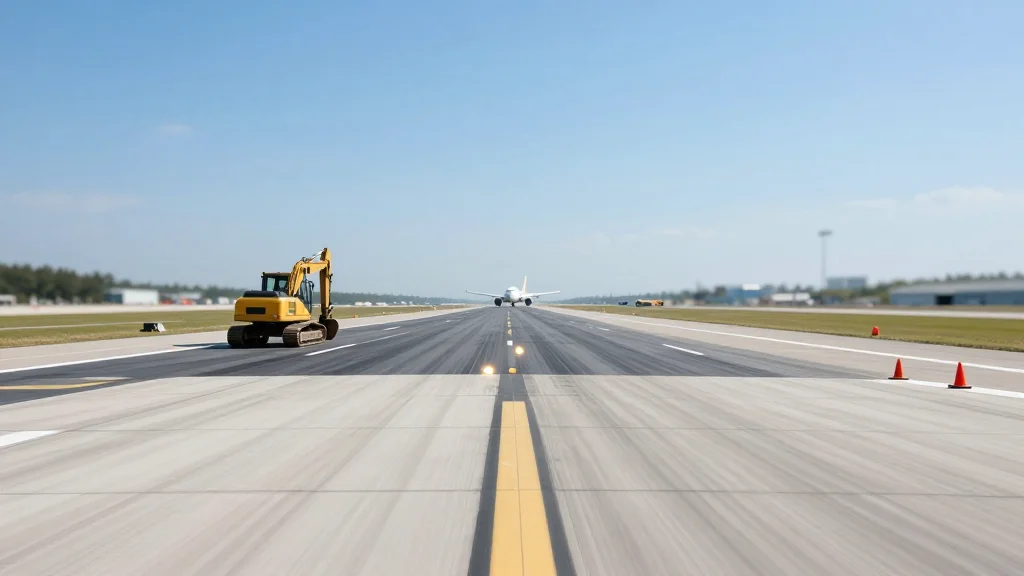
Runway Extension Groundbreaking at Kalamazoo/Battle Creek Int’l Airport Begins Monday
Why It Matters
Extending the runway enhances safety margins and enables larger aircraft, strengthening AZO’s role in regional air travel and economic development.
Key Takeaways
- •Runway 17‑35 will be extended by 450 feet
- •Project includes lighting relocation, drainage upgrades, and safety area improvements
- •Construction starts April 27, 2026, with phased work to limit disruptions
- •A 7‑day full runway closure will suspend commercial flights
- •Remaining runways stay open, keeping the airport operational for most flights
Pulse Analysis
The Kalamazoo‑Battle Creek International Airport’s decision to lengthen Runway 17‑35 by 450 feet reflects a broader trend among midsize U.S. airports to boost runway safety margins and accommodate higher‑performance aircraft. By adding extra stopping distance, pilots gain a larger safety buffer during takeoff and landing, especially under adverse weather conditions common to Southwest Michigan. The project also bundles essential upgrades—new airfield lighting, improved drainage, and reinforced safety areas—ensuring the runway meets contemporary FAA design standards. Such infrastructure investments are critical for maintaining reliable service and preventing operational delays.
From a commercial perspective, the extension positions AZO to attract carriers seeking longer runways for regional jets and potentially narrow‑body main‑line aircraft. Airlines can operate with higher payloads, reducing fuel penalties and opening the door for new routes or increased frequency. The brief, planned seven‑day closure of Runway 17‑35 will be mitigated by keeping Runways 5‑23 and 9‑27 active, limiting passenger inconvenience. Moreover, the enhanced runway capacity may stimulate cargo activity, supporting local manufacturers and boosting the regional economy through job creation and ancillary services.
Project managers have scheduled phased construction to keep the airport functional throughout most of the timeline, a strategy that minimizes revenue loss and preserves community confidence. The drainage and grading work addresses longstanding flood‑prone sections, reducing long‑term maintenance costs. By aligning the upgrade with the airport’s long‑term development plan, AZO signals its commitment to future growth, including possible terminal expansions or partnership opportunities with low‑cost carriers. Stakeholders—from local businesses to tourism promoters—stand to benefit as the airport’s improved infrastructure enhances Southwest Michigan’s connectivity to national and global markets.
Runway Extension Groundbreaking at Kalamazoo/Battle Creek Int’l Airport Begins Monday
Comments
Want to join the conversation?
Loading comments...