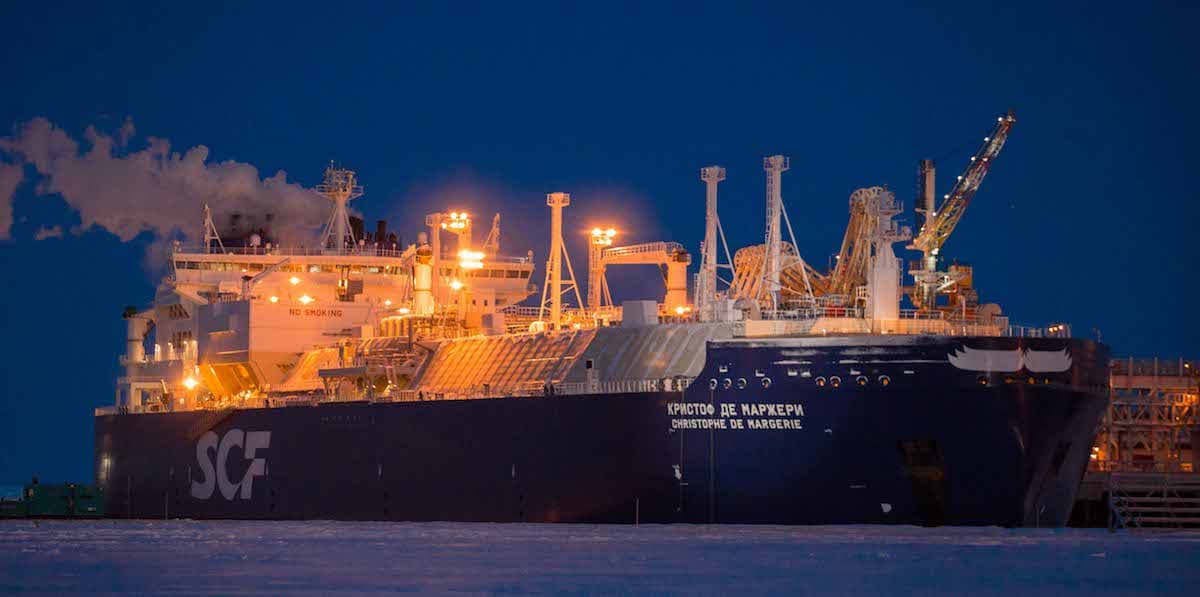
Russia Sends Arctic LNG 2 Cargo East Along Northern Sea Route in Rare May Voyage
Why It Matters
An early NSR transit lengthens Russia’s export season, helping it offset Western sanctions and Suez‑route disruptions while sustaining LNG supply to Asian markets. The development signals heightened logistical strain on Novatek’s fleet and may accelerate fleet‑expansion plans.
Key Takeaways
- •Christophe de Margerie made rare May eastbound NSR LNG transit
- •Ice conditions in Kara Sea below average, enabling earlier navigation
- •Sanctions limit new ice‑class carriers, forcing reliance on existing fleet
- •Novatek may need over 30 new LNG carriers within 12 months
- •NSR expansion helps Russia bypass Suez constraints for Asian LNG buyers
Pulse Analysis
The Northern Sea Route has long been touted as a shortcut linking Russia’s Arctic gas fields to Asian demand, but its commercial viability hinges on seasonal ice melt. This spring’s satellite data showed unusually thin ice in the Kara Sea, allowing the Arc7‑class carrier Christophe de Margerie to sail eastward in late May—months ahead of the typical June window. Early transits not only shave weeks off delivery times but also free up ice‑breaker assets for other routes, reinforcing Russia’s strategic push to make the NSR a year‑round corridor.
Western sanctions have choked off access to new‑build ice‑class LNG carriers and financing for Russian projects, leaving Novatek dependent on a limited pool of existing Arc7 vessels and ad‑hoc "shadow" ships. The recent loss of the Arctic Metagaz carrier in the Mediterranean further narrowed routing options, compelling Moscow to double‑down on the NSR despite lingering ice hazards. Industry analysts estimate that maintaining full export capacity from Arctic LNG 2 and Yamal will require more than 30 additional LNG carriers over the next twelve months—a daunting target given current procurement constraints.
For global LNG markets, Russia’s ability to move cargoes earlier and more reliably via the NSR could temper supply shocks that have rippled through Asian pricing since the sanctions escalated. A steadier flow of Russian LNG may ease the premium Asian buyers have been paying for alternative sources, while also reinforcing Russia’s bargaining position in long‑term contracts. Looking ahead, the Kremlin’s investment in nuclear icebreakers and port infrastructure suggests a concerted effort to institutionalise the NSR as a cornerstone of its energy export strategy, reshaping Arctic logistics for the decade to come.
Russia Sends Arctic LNG 2 Cargo East Along Northern Sea Route in Rare May Voyage
Comments
Want to join the conversation?
Loading comments...