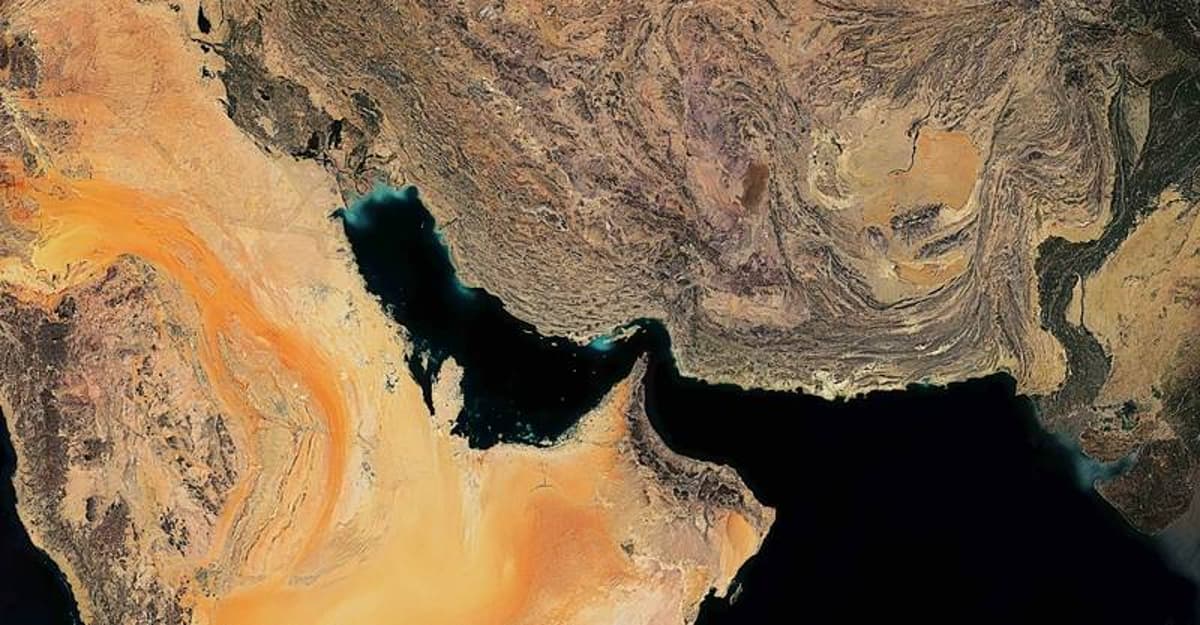
Russian Superyacht Crosses Strait of Hormuz
Companies Mentioned
Why It Matters
The unobstructed passage signals a tacit acceptance of Russian civilian vessels despite heightened U.S.–Iran tensions, and it underscores Moscow’s strategic alignment with Tehran in a critical energy corridor.
Key Takeaways
- •Russian billionaire's $500M yacht transited Strait of Hormuz
- •Transit occurred without objections from Iran or the United States
- •Vessel sailed under Russian flag, complying with international maritime law
- •Passage highlights limited civilian traffic amid broader commercial restrictions
- •Event underscores Russia‑Iran alignment amid ongoing U.S.–Iran tensions
Pulse Analysis
The Strait of Hormuz, a 21‑mile chokepoint linking the Persian Gulf with the open ocean, handles roughly 20 % of global oil shipments. Since late February, when the United States and Iran entered a de‑escalation phase, commercial traffic has plummeted from an average of 130 vessels per day to just a handful of merchant ships. The reduction reflects a U.S. naval blockade of Iranian ports and Tehran’s cautious reopening of the waterway. Analysts watch the strait closely because any deviation from the current pattern can signal shifting geopolitical calculations.
The unexpected appearance of Alexey Mordashov’s $500 million superyacht Nord on an approved route caught observers off guard. Sailing under the Russian flag, the vessel received no objections from Iranian authorities, who described it as a peaceful civilian transit, nor from U.S. forces, which noted the yacht made no port calls in Iran. This tacit clearance underscores the enduring strategic partnership between Moscow and Tehran, especially as Iran’s foreign minister recently met President Vladimir Putin in St Petersburg. It also hints that Washington may be willing to overlook high‑profile Russian assets that do not threaten its sanctions regime.
From a maritime‑security perspective, the Nord’s passage could set a subtle precedent for other state‑linked luxury vessels seeking to navigate contested waters. While the yacht itself carries no cargo, its safe transit may encourage additional civilian traffic, potentially easing the bottleneck that has strained global energy markets. However, any increase in non‑essential movements will be scrutinized by both NATO navies and Iranian coast guards, who remain vigilant for covert logistics or intelligence‑gathering missions. The episode therefore highlights how elite private assets can become inadvertent barometers of broader geopolitical tensions.
Russian Superyacht Crosses Strait of Hormuz
Comments
Want to join the conversation?
Loading comments...