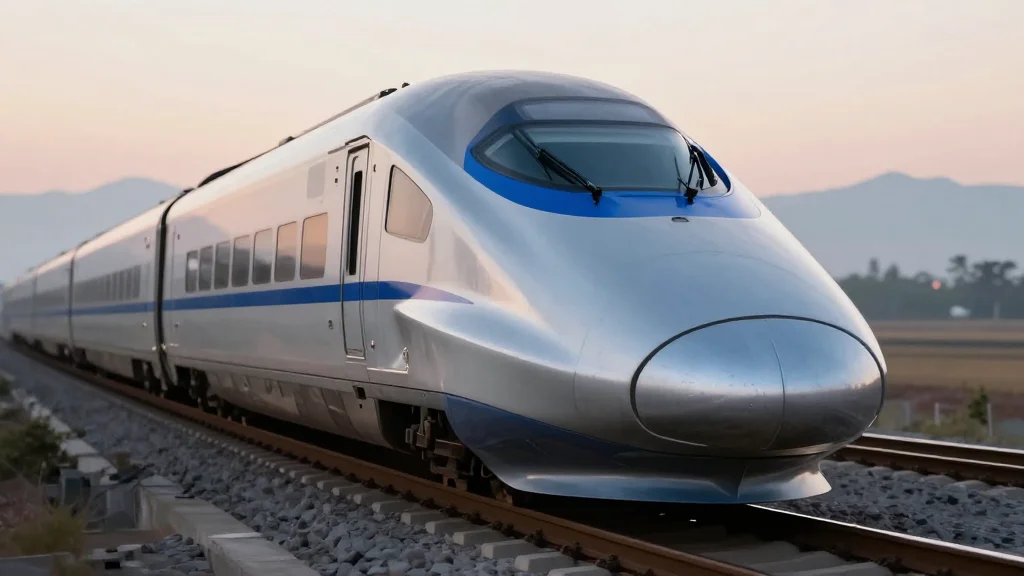
RVNL, Railtel Corp, Titagarh Rail, Other Railway Stocks Rally up to 4% on Rs 16 Lakh Crore Bullet Train Plan
Companies Mentioned
Why It Matters
The initiative signals massive infrastructure spending that could transform India's logistics landscape and boost domestic manufacturing. Investors see immediate upside in rail‑sector stocks, while the broader economy stands to gain from faster passenger travel and reduced freight bottlenecks.
Key Takeaways
- •Railway stocks rose up to 4% after bullet‑train plan announcement
- •Govt plans seven high‑speed corridors, costing about $193 billion
- •BEML to trial domestically built 280 km/h train in Aug 2027
- •Focus on Indian tech aims to cut costs and boost manufacturing
- •Delhi‑Varanasi DPR under review; Varanasi‑Siliguri DPR pending
Pulse Analysis
The bullet‑train blueprint marks one of the largest single‑sector investments in India’s recent history. By earmarking roughly $193 billion for seven dedicated high‑speed corridors, the government is not only addressing chronic travel inefficiencies but also creating a catalyst for a domestic supply chain around rail technology. Local manufacturers such as BEML, Titagarh Rail and Railtel stand to benefit from increased orders for rolling stock, signalling equipment, and track infrastructure, reinforcing the "Make in India" agenda.
From a market perspective, the announcement triggered a swift re‑rating of railway equities. Investors are pricing in higher future earnings as the projects progress from detailed project reports to construction phases. The rally in stocks like RVNL and Railtel reflects confidence that the extensive capital outlay will translate into sustained revenue streams from operations, maintenance contracts, and ancillary services. Analysts also note that the emphasis on indigenous components could improve profit margins by reducing reliance on costly imports.
Beyond immediate financial implications, the high‑speed network promises broader economic benefits. Cutting travel time between Delhi and Siliguri from over 20 hours to six hours will reshape business logistics, tourism, and labor mobility across northern and eastern India. Faster corridors can also alleviate congestion on existing rail lines, freeing capacity for freight. As the DPRs for the Delhi‑Varanasi and Varanasi‑Siliguri routes move forward, stakeholders should monitor policy continuity, funding mechanisms, and the pace of domestic technology adoption, all of which will determine the project's long‑term success.
RVNL, Railtel Corp, Titagarh Rail, other railway stocks rally up to 4% on Rs 16 lakh crore bullet train plan
Comments
Want to join the conversation?
Loading comments...