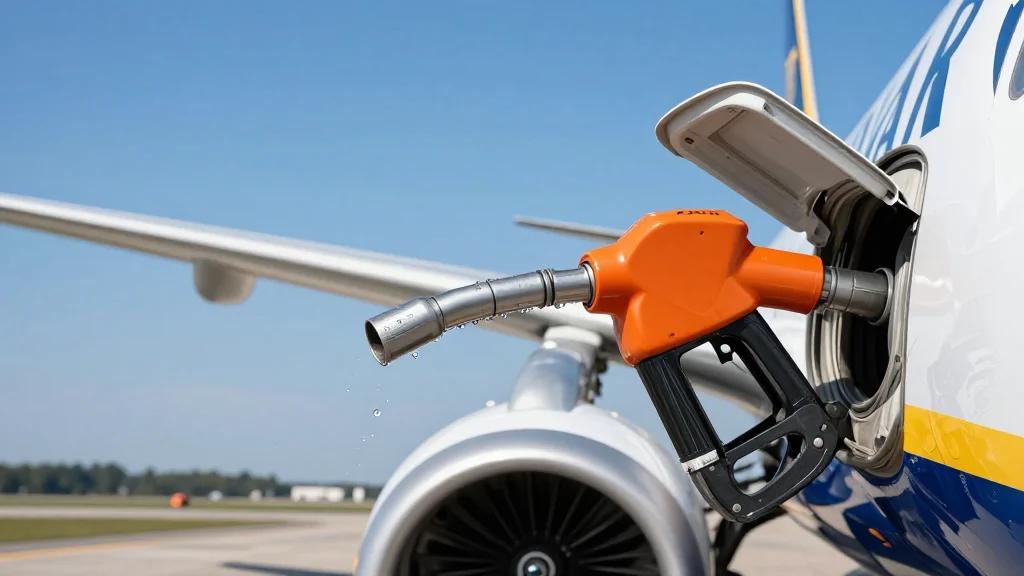
Ryanair Will Use Locked-In Fuel Costs to Pressure Rival Airlines Suffering From Surging Oil Prices
Key Takeaways
- •Ryanair hedged ~80% of 2024 fuel, locking in lower costs
- •EasyJet’s hedge drops to 62% after H1 2026, exposing it
- •Lufthansa’s crude‑oil hedge triggers roughly $1 billion loss
- •U.S. airlines largely stopped hedging, making fares more volatile
Pulse Analysis
Fuel hedging has become a strategic differentiator in the airline industry, especially as crude prices surge amid geopolitical tensions in the Middle East. Ryanair’s decision to lock in about 80% of its fuel supply for the year insulates it from volatile spot prices, allowing the carrier to maintain or even lower fares while competitors absorb higher input costs. This advantage is not merely a balance‑sheet line item; it translates into pricing power that can erode market share of rivals such as EasyJet, whose hedging coverage falls to 62% after the first half of 2026, and legacy groups like IAG and Lufthansa, which face mixed outcomes from their hedging mixes.
The broader competitive landscape is being reshaped by these divergent risk‑management approaches. European low‑cost carriers that hedge aggressively can sustain aggressive pricing strategies, pressuring full‑service airlines to either absorb margin hits or raise fares, potentially accelerating a shift toward budget travel. Conversely, airlines that mis‑aligned their hedges—Lufthansa’s focus on crude and gasoil rather than jet fuel—are incurring substantial write‑downs, estimated at $1 billion, highlighting the importance of matching hedge instruments to actual fuel consumption. This dynamic may prompt a reevaluation of hedging policies across the sector as firms seek to balance cost certainty against the opportunity cost of over‑hedging.
Across the Atlantic, the picture diverges sharply. Most U.S. carriers abandoned fuel hedging years ago, leaving their fare structures more exposed to oil price swings. Only Delta Air Lines retains a partial buffer through its owned refinery, but even that is limited. As a result, American passengers may see more pronounced fare volatility compared with their European counterparts, where carriers like Ryanair can leverage hedged costs to keep prices stable. The contrast underscores how financial risk‑management choices directly influence competitive dynamics and consumer pricing in the global airline market.
Ryanair Will Use Locked-In Fuel Costs to Pressure Rival Airlines Suffering From Surging Oil Prices
Comments
Want to join the conversation?