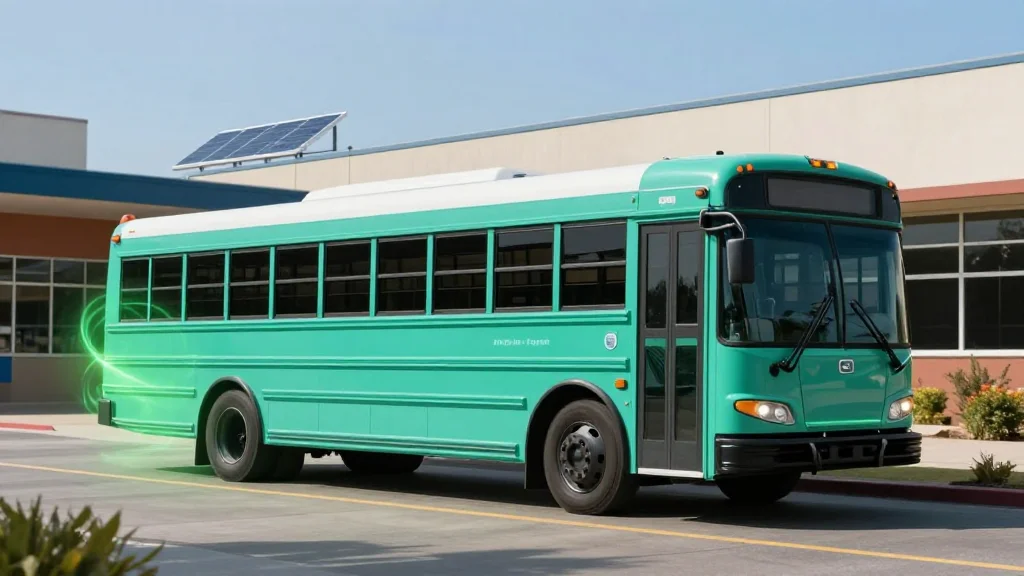
Sacramento Schools Turn to Electric Buses Amid Spiking Fuel Costs
Why It Matters
Electrifying the school bus fleet cuts operating costs and reduces harmful emissions, directly benefiting students’ health and the district’s budget. It also aligns with California’s aggressive climate targets, positioning SCUSD as a model for other districts.
Key Takeaways
- •SCUSD added seven electric buses, saving 7,000 diesel gallons.
- •Goal: 80% electric fleet in five years, reducing emissions.
- •Each electric bus costs $350k, funded by $2.4M grant.
- •Cheaper SMUD electricity offsets volatile diesel prices, freeing classroom funds.
Pulse Analysis
Rising diesel prices have forced school districts nationwide to reevaluate transportation budgets, and Sacramento’s experience illustrates the financial upside of electric buses. With diesel hovering around $7.48 per gallon—a 50% year‑over‑year increase—SCUSD’s shift to electricity, priced far lower in SMUD’s service area, translates into immediate fuel savings and protects the district’s operating budget from future price spikes. The seven new electric buses, purchased through a $2.4 million air‑quality grant, demonstrate how targeted public incentives can accelerate fleet modernization without burdening taxpayers.
Beyond the balance sheet, the environmental payoff is substantial. The Sacramento Valley’s geography traps pollutants, making fine particulate matter (PM2.5) and ozone persistent health hazards. Replacing diesel‑powered buses with zero‑emission vehicles directly cuts these emissions, improving air quality for the 2,650 students the district serves. This aligns with California’s statewide carbon‑neutrality target for 2045 and the district’s own resolution to decarbonize its buildings, creating a cohesive sustainability strategy that spans both infrastructure and mobility.
Long‑term, the electric bus program promises broader societal benefits. Early exposure to clean‑energy technology can shape students’ attitudes toward sustainable transportation, fostering a generation more likely to adopt electric vehicles. Moreover, the cost advantage frees up funds that can be redirected to classroom resources, enhancing educational outcomes. As more districts observe Sacramento’s cost savings and health improvements, the model may spur wider adoption of electric school buses across the state, reinforcing California’s leadership in climate action.
Sacramento Schools Turn to Electric Buses Amid Spiking Fuel Costs
Comments
Want to join the conversation?
Loading comments...