Safety Agency Opens Probe Into Startup Avride’s Autonomous Crashes in Texas
Companies Mentioned
Why It Matters
The investigation spotlights safety gaps in emerging autonomous‑vehicle services, potentially prompting stricter regulatory oversight and affecting partnerships with ride‑hailing firms. It also signals heightened risk for investors betting on AV startups.
Key Takeaways
- •NHTSA opened probe after 16 Avridge autonomous crashes in Texas
- •Incidents involved unsafe lane changes and failure to stop for traffic
- •Avride claims vehicles were supervised by safety operators at low speeds
- •Fleet of 200 Hyundai Ioniq 5‑based AVs expanding by dozens monthly
- •Uber’s platform use may heighten scrutiny of ride‑hailing partnerships
Pulse Analysis
The National Highway Traffic Safety Administration (NHTSA) has intensified its focus on autonomous‑vehicle safety, adding Avride’s Texas incidents to a series of high‑profile probes. Recent investigations have targeted a range of advanced driver‑assistance systems, reflecting regulators’ concern that rapid deployment may outpace safety validation. By scrutinizing video evidence of lane‑change errors and failure to yield, NHTSA aims to set clearer expectations for manufacturers and operators, reinforcing a data‑driven approach to public road safety.
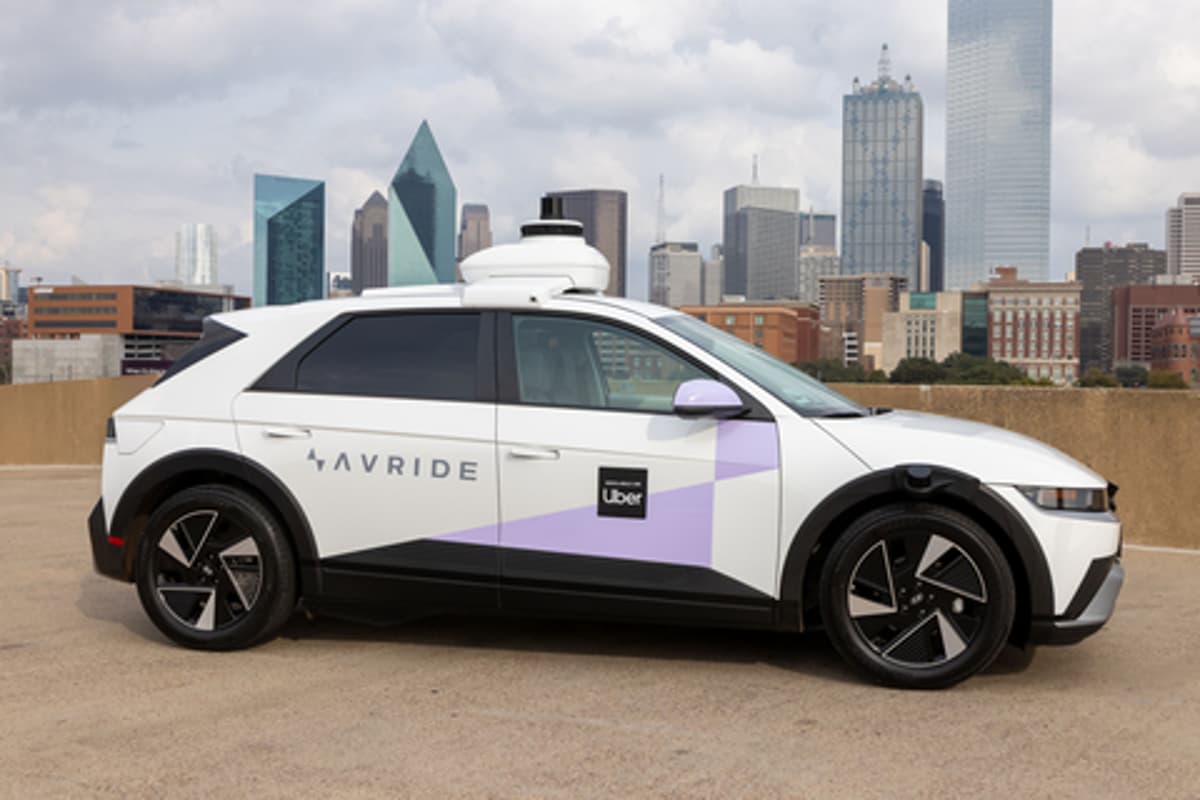
Avride, a Dallas‑based startup, leverages Hyundai’s Ioniq 5 electric platform to power a fleet that has grown to roughly 200 vehicles, with dozens more slated for addition each month. The company’s partnership with Uber allows passengers to hail rides through the familiar app, blurring the line between traditional ride‑hailing and fully autonomous service. While Avride asserts that a trained safety operator supervised each vehicle during the incidents, the crashes—some resulting in property damage and a minor injury—underscore the challenges of integrating human oversight with machine decision‑making, especially in dense urban traffic.
The broader implications for the autonomous‑vehicle ecosystem are significant. A formal NHTSA investigation can delay expansion plans, increase compliance costs, and influence investor sentiment across the sector. Companies like Uber and Hyundai, linked to Avride’s operations, may face heightened scrutiny over how they vet and monitor third‑party AV providers. For policymakers, the case reinforces the need for standardized safety protocols and transparent reporting mechanisms, while industry players must balance rapid scaling with rigorous testing to maintain public trust and avoid costly regulatory setbacks.
Safety Agency Opens Probe into Startup Avride’s Autonomous Crashes in Texas
Comments
Want to join the conversation?
Loading comments...