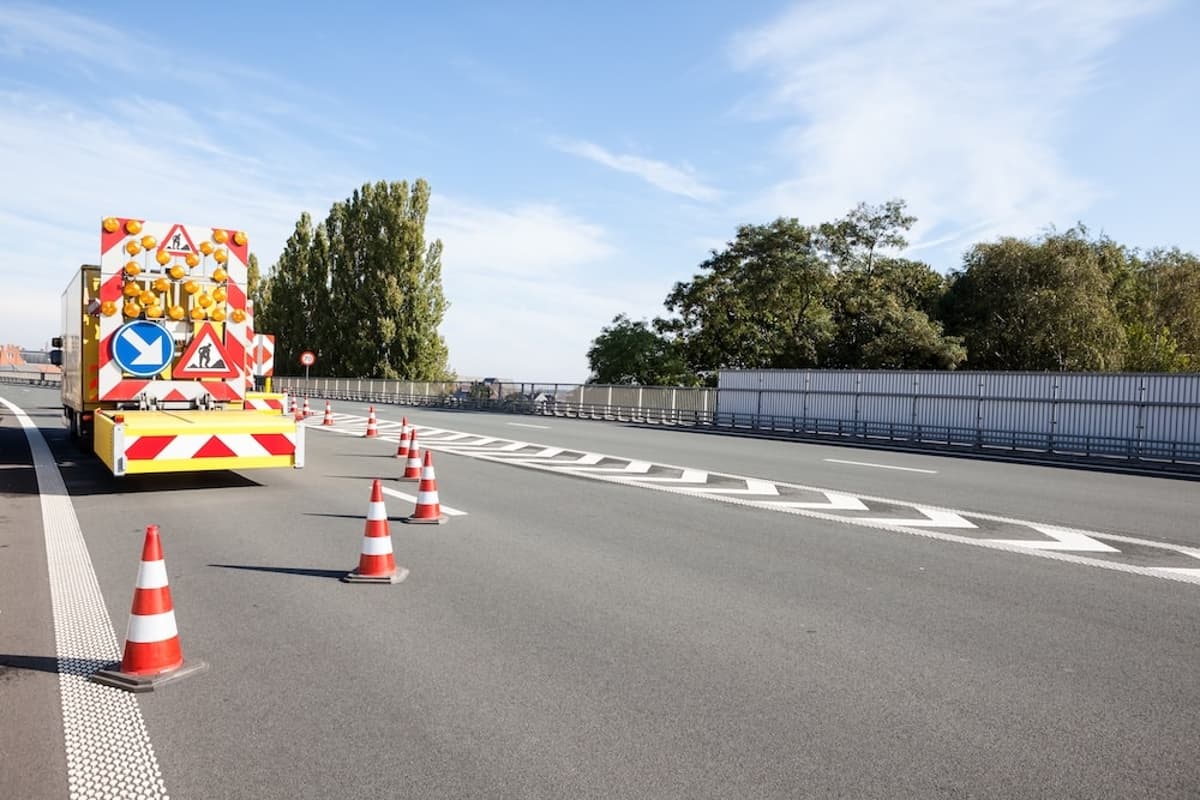
Safety Upgrades Completed on Key Highways
Companies Mentioned
Why It Matters
Enhanced crossing safety reduces crash risk and improves traffic flow, while the Sunshine Station upgrade strengthens multimodal connectivity and stimulates regional economies.
Key Takeaways
- •NSW councils receive $1M AUD (~$660k USD) for level crossing upgrades
- •Funding targets high‑risk regional crossings to cut accident rates
- •Victorian government allocates $7.5M AUD (~$5M USD) for Sunshine Station revamp
- •Station masterplan includes road‑bridge improvements linking highways
- •Projects expected to create 200 construction jobs regionally
Pulse Analysis
The latest round of Australian infrastructure funding underscores a strategic shift toward safety‑first upgrades on key transport arteries. In New South Wales, a $1 million AUD grant—approximately $660,000 USD—has been earmarked for regional councils to modernise level crossings that have historically been accident hotspots. By installing advanced warning systems, automated barriers, and improved signage, the program aims to cut collision rates and minimize disruption on busy highways that intersect rail lines. This targeted approach reflects data‑driven prioritisation, ensuring that limited public dollars address the most vulnerable points in the network.
Meanwhile, Victoria’s $7.5 million AUD (about $5 million USD) Sunshine Station Masterplan expands beyond rail to integrate road‑bridge enhancements that directly serve adjacent highway corridors. The project will revamp platforms, upgrade pedestrian pathways, and construct a new over‑pass that eases traffic bottlenecks on surrounding arterial roads. Beyond safety gains, the development is projected to generate roughly 200 construction jobs, injecting short‑term employment into the local economy and laying groundwork for longer‑term commercial activity around the station precinct.
These concurrent investments illustrate a broader trend in Australian transport policy: coupling safety improvements with multimodal connectivity to future‑proof the nation’s logistics backbone. As freight volumes climb and urban sprawl intensifies, policymakers are recognising that secure, efficient highways and rail links are interdependent. The infusion of capital not only mitigates immediate risk but also positions regional hubs to attract business, support tourism, and sustain economic growth. Stakeholders can expect continued emphasis on data‑centric project selection and public‑private partnerships as Australia strives to meet its 2030 infrastructure resilience targets.
Safety upgrades completed on key highways
Comments
Want to join the conversation?
Loading comments...