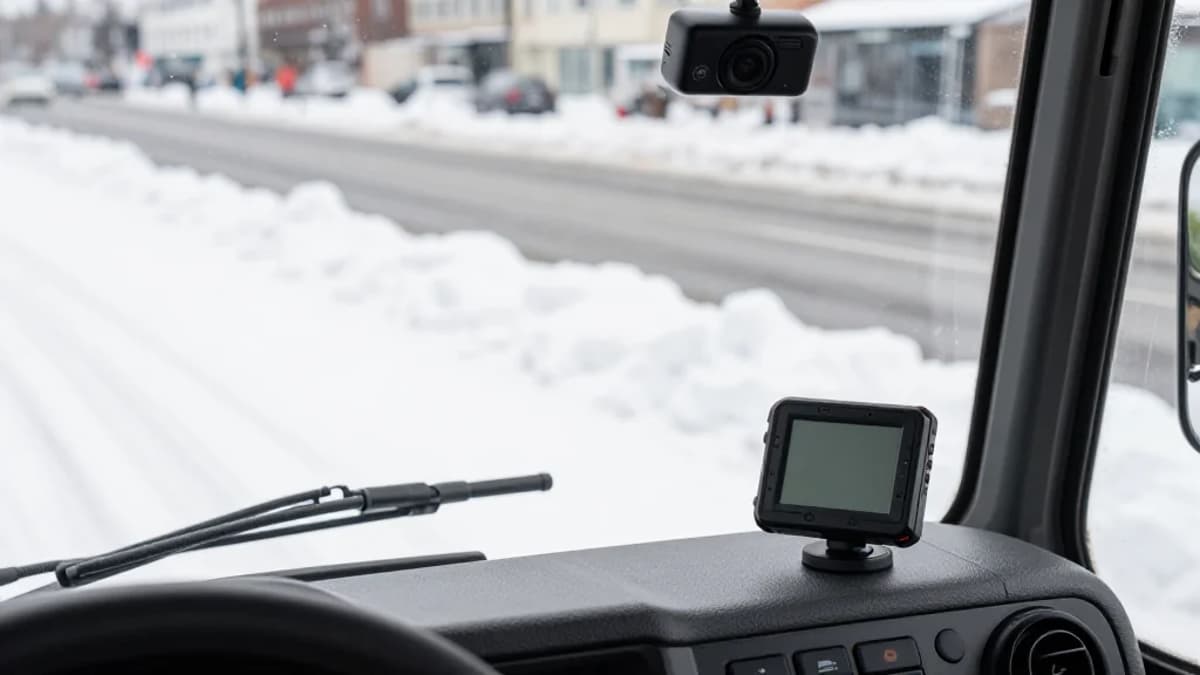
Samsara Uses AI to Help City Fleets Clear Snow After Storms
•March 4, 2026
0
Why It Matters
Live visibility and AI‑driven dispatch let cities clear roads faster, lower costs, and restore public confidence, reshaping municipal fleet management.
Key Takeaways
- •Syracuse complaints down 30% with AI plow tracking.
- •Live GPS and dashcam data improve dispatch efficiency.
- •Public map updates every five minutes shows cleared streets.
- •Cities save fuel, salt, and labor costs using video AI.
- •New York's BladeRunner uses human analysis, not AI yet.
Pulse Analysis
Snow removal has long been a logistical nightmare for municipalities, especially in high‑snowfall locales like Syracuse, where 126 inches fall annually. Traditional planning relied on static routes and citizen phone calls, often resulting in duplicated effort and hidden work. Samsara’s integration of GPS, dash‑cam video, and AI analytics transforms this process by delivering a live, geospatial picture of each plow’s progress. The public‑facing map, refreshed every five minutes, gives residents transparent proof of service, while dispatchers can instantly identify the closest vehicle for emerging emergencies.
Beyond improved responsiveness, the technology drives measurable cost efficiencies. Video evidence reduces disputes over accidents, enabling towns like Edison to slash salt and brine expenses by 35% and cut insurance payouts by 60%. Fuel consumption drops as drivers follow optimized, turn‑by‑turn routes, a benefit echoed in Fayetteville’s reported labor and fuel savings despite heavier snowfall. By preventing over‑plowing and excessive salting, cities also mitigate environmental impact, aligning operational budgets with sustainability goals.
The broader industry signal is clear: AI‑augmented fleet management is becoming a competitive necessity. While New York City’s BladeRunner program still depends on human analysts, its interest in AI for processing thousands of 311 requests illustrates a shift toward automation at scale. As more jurisdictions adopt real‑time video and AI dispatch, the $4 billion annual spend on snow operations is poised for disruption, offering municipalities a path to faster clearance, lower expenditures, and heightened public trust.
Samsara Uses AI to Help City Fleets Clear Snow After Storms
0
Comments
Want to join the conversation?
Loading comments...