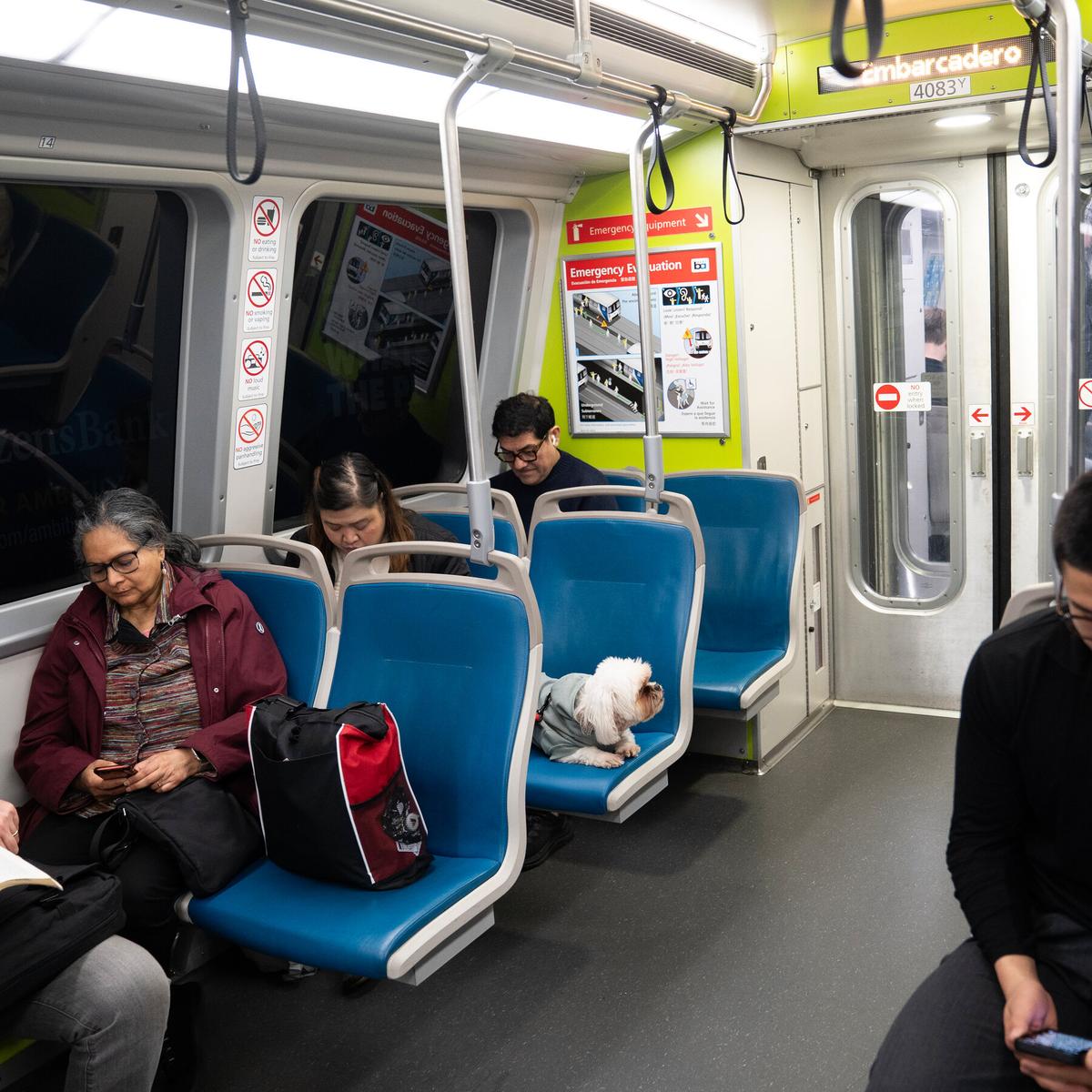
San Francisco Bay Area Residents Weigh Possibility of BART Reductions
•March 10, 2026
0
Why It Matters
BART’s financial shortfall threatens essential commuter links, risking economic disruption across the Bay Area if the tax fails. The outcome will shape regional mobility, housing affordability, and future infrastructure investments.
Key Takeaways
- •BART ridership at under 50% pre‑pandemic levels
- •Sales‑tax measure on November ballot to fund BART
- •Board may close multiple stations in 2027 without funding
- •Pittsburg commuters experience drastically reduced train frequency
- •Friday ridership slump exceeds weekday averages
Pulse Analysis
The pandemic’s legacy continues to haunt public transit, and BART is a prime example. Ridership plummeted in 2020 and has stalled at roughly 45% of its 2019 peak, eroding fare revenue that once covered a substantial portion of operating costs. This decline coincides with rising maintenance expenses for aging rolling stock and infrastructure, creating a fiscal gap that the agency cannot bridge through traditional budgeting alone. As a result, BART’s leadership is turning to voters for a supplemental sales‑tax, a strategy that mirrors past regional funding efforts but carries heightened political risk.
The proposed sales‑tax, slated for the November 2026 ballot, aims to inject billions into BART’s capital and operating budget. Proponents argue the levy will preserve critical services, prevent station closures, and fund long‑overdue upgrades such as signal modernization and fleet renewal. Opponents, however, cite tax fatigue and question the agency’s cost‑control measures, warning that even a passed levy may fall short of the $5‑plus billion shortfall projected for 2027. Should the measure fail, the board has already drafted a contingency plan that includes shuttering underutilized stations—Orinda among them—and scaling back frequency, especially on off‑peak days like Fridays, which already see the lowest patronage.
Beyond the immediate budgetary concerns, BART’s fate carries broader implications for the Bay Area’s economic ecosystem. Reliable transit underpins the region’s labor market, enabling workers from affordable suburbs to access high‑paying jobs in San Francisco and Oakland. Service reductions could exacerbate housing affordability pressures by forcing commuters to relocate closer to job centers, intensifying traffic congestion and environmental impacts. Moreover, the crisis may accelerate investment in alternative mobility solutions, from expanded bus rapid transit to private micromobility options, reshaping the transportation landscape for years to come.
San Francisco Bay Area Residents Weigh Possibility of BART Reductions
0
Comments
Want to join the conversation?
Loading comments...