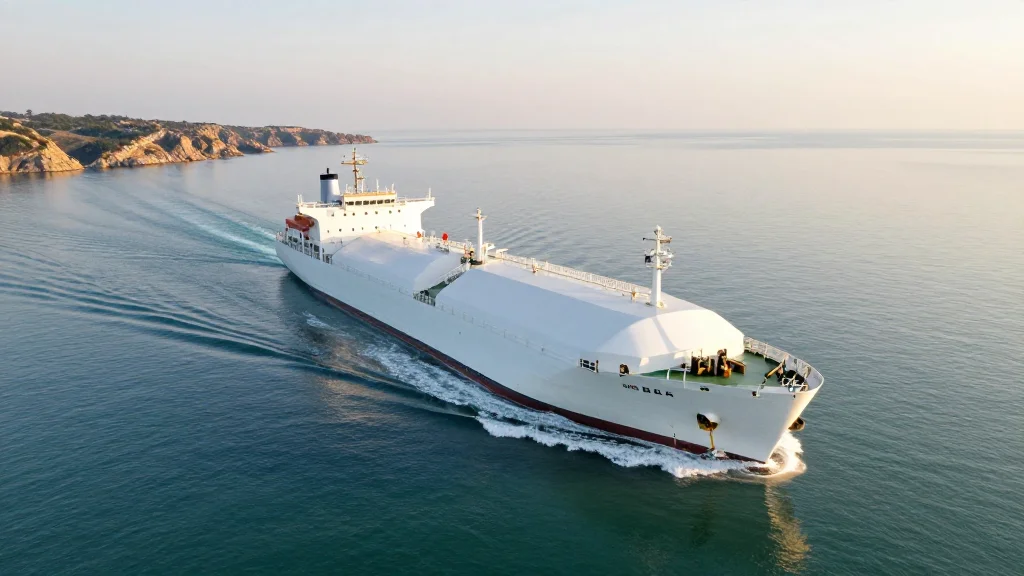
Sanctioned Iranian Gas Carrier Probes US Strait of Hormuz Blockade
Why It Matters
The breach spotlights heightened geopolitical tension in a vital oil transit route, potentially inflating shipping costs and prompting stricter enforcement across the global energy supply chain.
Key Takeaways
- •Nooh Gas, 20,700 cbm LPG vessel, attempted eastbound passage.
- •Vessel is under U.S. sanctions for Iranian ownership.
- •Attempt highlights ongoing US blockade enforcement in Hormuz.
- •Incident raises insurance premiums for regional tanker routes.
- •Could prompt shippers to consider alternative routes like Cape.
Pulse Analysis
The Strait of Hormuz remains one of the world’s most critical maritime chokepoints, funneling roughly 20% of global oil and a substantial share of liquefied petroleum gas. Since 2019 the United States has maintained a naval presence and a de‑facto blockade to deter Iranian vessels that violate sanctions. The recent eastbound transit of the 20,700‑cubic‑metre LPG carrier Nooh Gas, a ship listed on the U.S. Treasury’s Specially Designated Nationals list, underscores Tehran’s willingness to test that enforcement despite the vessel’s 1993 build and aging equipment.
For traders, the incident injects fresh uncertainty into an already volatile energy market. Insurance underwriters typically raise war‑risk premiums by 15‑25% when a sanctioned tanker attempts a Hormuz crossing, and the Nooh Gas episode is likely to trigger similar spikes. Shipping firms may reroute cargoes around the Cape of Good Hope, adding 10‑12 days and $1‑2 million per voyage, which could translate into higher end‑user fuel prices. The episode also reminds charterers that compliance checks must be rigorous to avoid costly detentions.
Diplomatically, the breach highlights the limits of U.S. pressure on Iran’s maritime strategy and may prompt a recalibration of naval patrol patterns. Regional allies such as Saudi Arabia and the United Arab Emirates have warned that repeated violations could destabilize shipping lanes, prompting calls for multilateral enforcement through the International Maritime Organization. Meanwhile, Iranian shipowners may seek to re‑flag older vessels or employ shell companies to evade sanctions, a tactic that could further complicate traceability for regulators. The next few weeks will reveal whether Washington escalates its response or opts for a more measured diplomatic engagement.
Sanctioned Iranian gas carrier probes US Strait of Hormuz blockade
Comments
Want to join the conversation?
Loading comments...