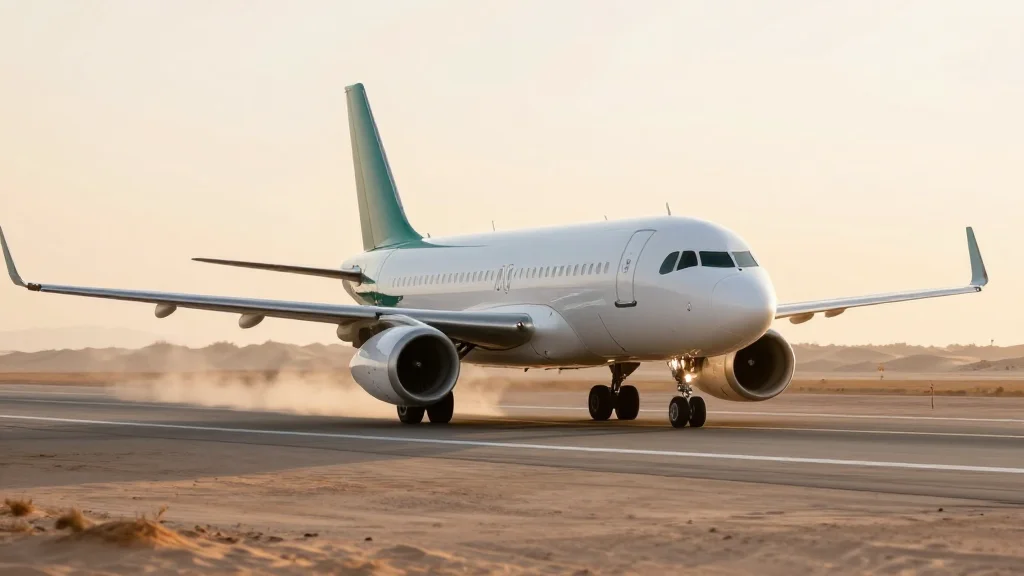
Saudi Aviation Boom Raises Big Questions for the Middle East
Why It Matters
Pilot shortages and infrastructure gaps could stall Saudi Arabia’s ambition to become a global hub, reshaping the Middle East’s competitive position in aviation.
Key Takeaways
- •58,000 pilots needed in Middle East by 2046
- •Training requires 11.6 million flight‑hours, exceeding current capacity
- •Airport and ATC upgrades essential to prevent congestion
- •Talent competition may drive wages up across Gulf carriers
Pulse Analysis
Saudi Arabia’s aviation push reflects a broader economic diversification strategy, with Riyadh Air positioned as a flagship carrier to attract transit traffic and tourism. The Kingdom’s airlines are adding dozens of narrow‑body jets to serve high‑frequency regional routes, a move that could lift passenger volumes by double‑digit percentages over the next decade. This expansion aligns with Vision 2030 goals, but it also places unprecedented demand on ancillary services such as ground handling, maintenance, and airport capacity, forcing policymakers to fast‑track upgrades to runways, terminals, and air‑traffic‑management systems.
The most immediate constraint is human capital. The Boeing Pilot and Technician Outlook projects a need for more than 58,000 new pilots in the Middle East, with Saudi Arabia accounting for a sizable share. Delivering the required 11.6 million flight‑training hours and over a million simulator hours far outstrips the output of existing academies, which average 12,000‑15,000 flight hours annually. This gap risks delaying fleet deliveries and inflating operating costs as airlines turn to costly overseas training providers. Regional players such as the UAE and Qatar are likely to feel the ripple effect, intensifying competition for qualified instructors and engineers.
If Saudi Arabia can synchronize fleet growth with robust training pipelines and infrastructure investment, the Kingdom could cement its status as a global transit hub, boosting trade, tourism, and high‑skill jobs. Conversely, failure to address these bottlenecks may lead to chronic pilot shortages, higher labor costs, and operational inefficiencies that erode the competitive edge of Gulf carriers. Strategic public‑private partnerships, accelerated simulator procurement, and targeted scholarship programs are essential levers to ensure the aviation boom translates into sustainable long‑term value.
Saudi Aviation Boom Raises Big Questions for the Middle East
Comments
Want to join the conversation?
Loading comments...