Saving Supply Chains From Climate Shocks Is a Lure for Investors
Why It Matters
The sector protects the $35 trillion global trade system from costly climate shocks and delivers double‑digit returns, making it a strategic priority for both businesses and investors.
Key Takeaways
- •VC equity in climate‑adaptation startups hit $5.5 billion in 2025
- •Tive’s revenue grew 50 % annually, targeting IPO by 2029
- •Adaptation assets deliver ~20 % CAGR, double typical climate‑tech returns
- •Climate disruptions risk $81 billion of trade each year globally
Pulse Analysis
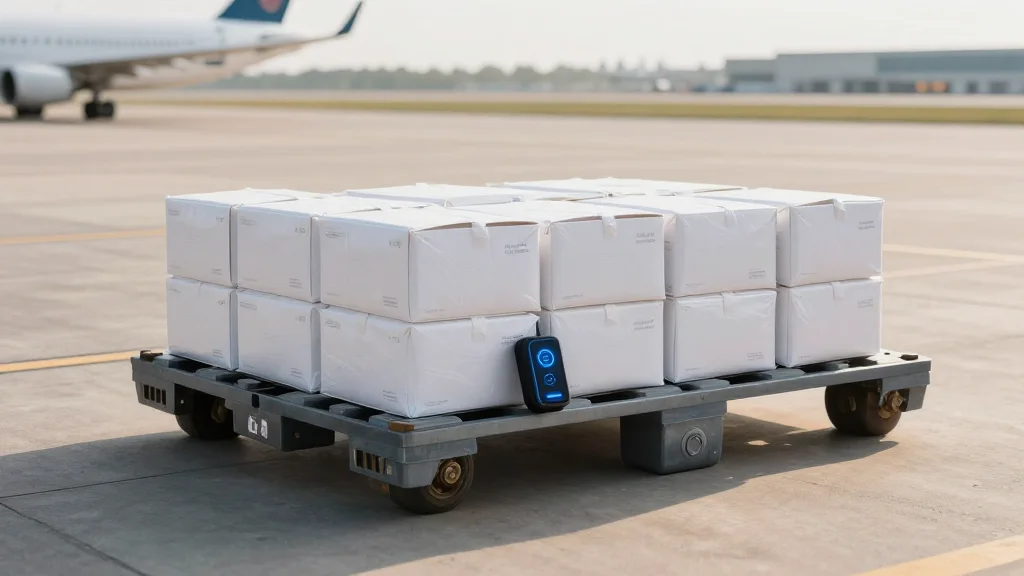
Climate‑related extremes—from heatwaves to typhoons—are reshaping the risk calculus for global logistics. A 2023 Nature Climate Change study estimated that $81 billion of trade is exposed annually to weather‑driven disruptions, while a single 100‑hour delay can add up to 0.5 % inflation in the United States. These pressures are prompting companies that move pharmaceuticals, high‑value electronics, and food to adopt granular monitoring tools, such as Tive’s IoT trackers, that combine temperature, humidity and geolocation data to avert spoilage and costly trial setbacks. The urgency is reflected in the broader market: adaptation technologies now account for $5.5 billion of VC equity, a figure that has doubled since 2021, and analysts project $1 trillion in annual revenues by mid‑century.
The investment narrative is equally compelling. Funds like Lightsmith’s Climate Resilience Partners, with $186 million under management, are betting on a 20 % compound annual growth rate for adaptation assets—roughly twice the return expectations for traditional clean‑energy ventures. Their portfolios feature AI‑driven wildfire risk platforms, satellite‑imagery analytics, and insurance products that model catastrophe exposure. The sector’s appeal lies in its insulation from policy swings that have hampered renewable‑energy financing, offering investors a stable, high‑margin avenue. Moreover, the convergence of 5G connectivity, advanced weather modeling, and machine‑learning analytics is lowering barriers to entry for new climate‑tech startups, accelerating product development cycles and scaling potential.
Looking ahead, supply‑chain resilience will become a competitive differentiator across industries. As climate shocks intensify, firms that embed real‑time logistics intelligence into their operations can safeguard margins, reduce inventory buffers, and meet consumer expectations for timely delivery. This shift also opens ancillary markets for data integration, contract‑risk clauses, and dynamic routing solutions. For asset managers, early exposure to adaptation technologies not only diversifies portfolios but also aligns with ESG mandates that prioritize long‑term value creation. In sum, the fusion of climate risk mitigation and digital innovation is forging a fast‑growing investment frontier that promises both economic and societal returns.
Saving Supply Chains From Climate Shocks Is a Lure for Investors
Comments
Want to join the conversation?
Loading comments...