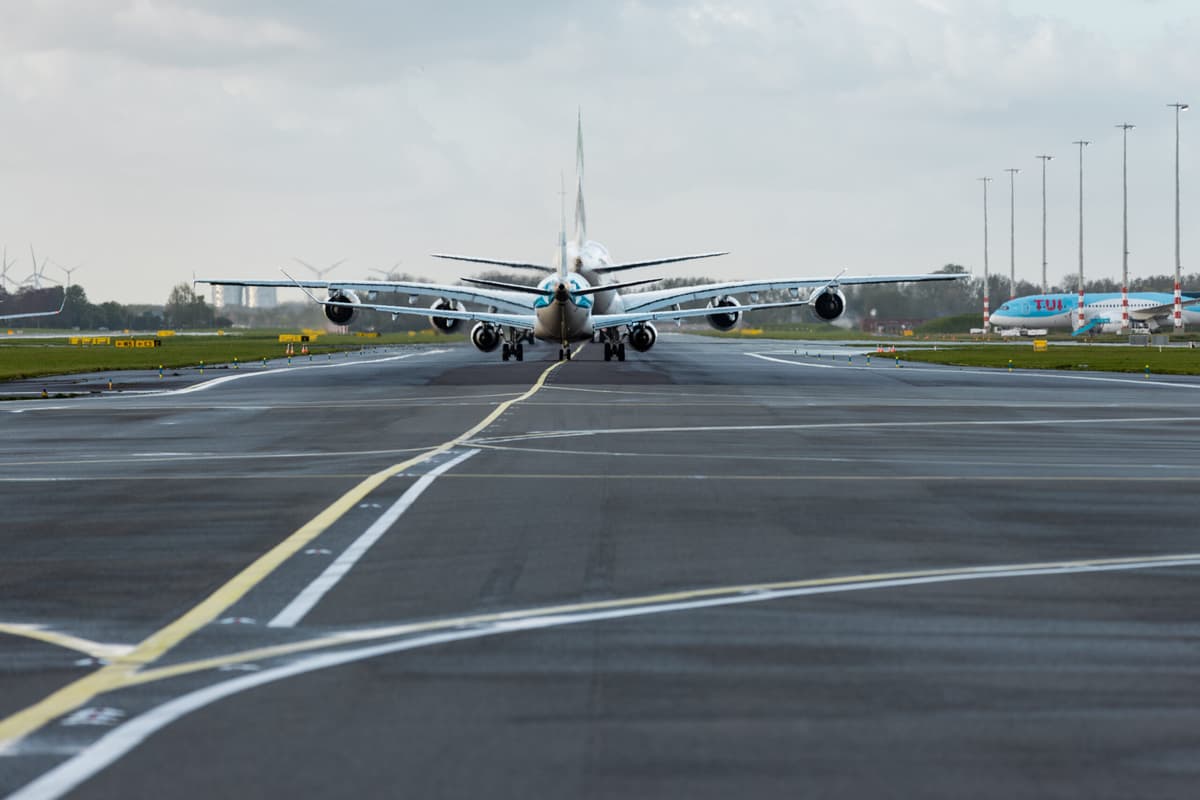
Schiphol Airport to Begin Renewal Works on Taxiways A & B
•March 6, 2026
0
Why It Matters
The upgrades safeguard aircraft safety, sustain runway capacity, and modernize critical infrastructure that underpins Schiphol’s status as a European hub.
Key Takeaways
- •Works run March‑June 2026 on taxiways A and B.
- •65,000 m² asphalt and 32 km cabling replaced.
- •Phased schedule minimizes holiday disruption.
- •Buitenveldertbaan runway used as backup.
- •Heijmans partners with Schiphol for construction.
Pulse Analysis
Schiphol Airport’s taxiway renewal reflects a broader push across major hubs to replace aging pavement and support systems that have endured decades of heavy use. The 65,000 m² asphalt resurfacing, coupled with expanded rain‑water drainage and new lighting, addresses wear that can compromise aircraft maneuverability and safety. By coordinating the work in two distinct phases—first on taxiway B, then on taxiway A—the airport minimizes exposure during peak travel periods, preserving its reputation for punctuality and reliability.
Operationally, the temporary reduction in taxiway capacity forces Schiphol to adjust runway assignments, shifting traffic to the Buitenveldertbaan runway when wind and volume conditions permit. This contingency plan mitigates bottlenecks on the Polderbaan and Zwanenburgbaan runways, ensuring that airline schedules remain largely intact. Airlines benefit from clear communication and predictable rerouting, while passengers experience fewer delays despite the extensive construction footprint.
The project also signals a strategic trend in the aviation sector: investing in resilient, future‑proof infrastructure ahead of anticipated traffic growth. Partnering with construction firm Heijmans, Schiphol integrates modern cabling, energy‑efficient lighting, and enhanced drainage—elements that support sustainability goals and reduce long‑term maintenance costs. As European airports compete for hub status, such proactive upgrades become essential for maintaining capacity, meeting regulatory safety standards, and delivering a seamless travel experience.
Schiphol Airport to Begin Renewal Works on Taxiways A & B
0
Comments
Want to join the conversation?
Loading comments...