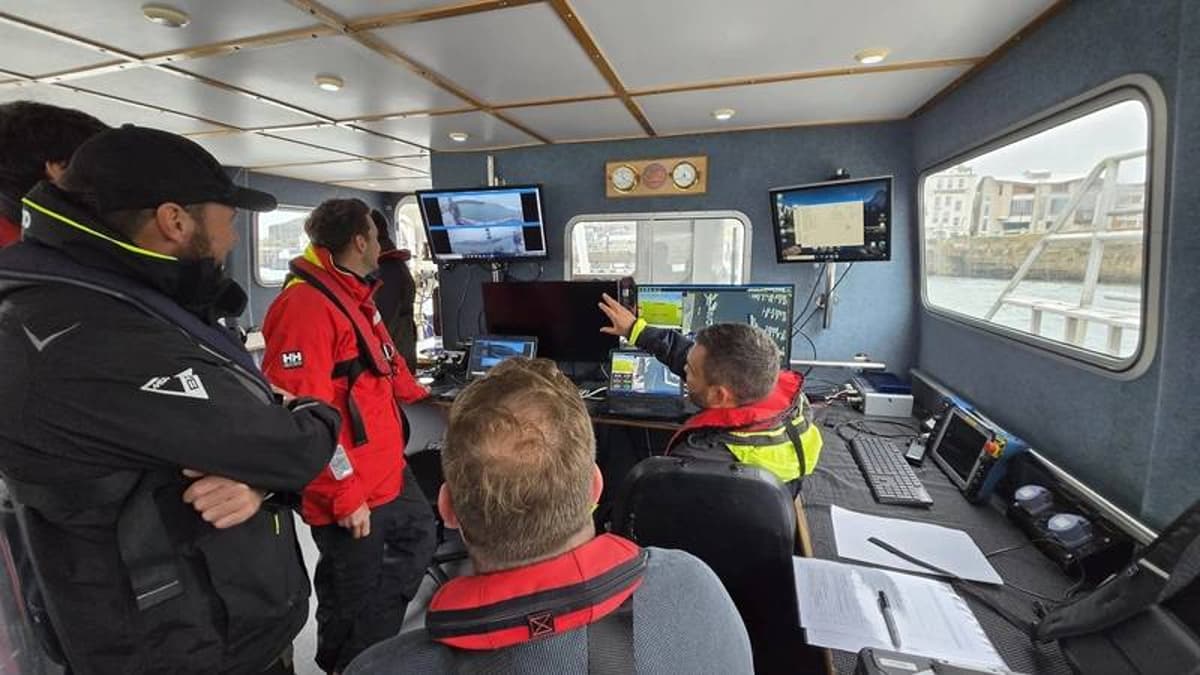
SeaBot Maritime MASS Remote Operator Training Course Recognized by Maritime and Coastguard Agency
Why It Matters
MCA endorsement validates the curriculum against UK safety standards, bolstering industry confidence in autonomous vessel operations. It also cements Plymouth and SeaBot Maritime as pivotal hubs for developing the skilled workforce needed for global marine autonomy adoption.
Key Takeaways
- •MCA recognition aligns course with UK MGN 703 operator standards.
- •Training delivered at Plymouth’s Marine Station, UK’s autonomy hub.
- •Hands‑on, scenario‑based curriculum covers control, situational awareness, decision‑making.
- •Program serves defence, oil & gas, renewables, ports, government sectors.
- •Partnership with University of Plymouth enhances research and skill development pipeline.
Pulse Analysis
The rapid emergence of remotely operated and autonomous vessels is reshaping maritime logistics, offshore services, and naval operations. Regulators worldwide are scrambling to establish consistent competence frameworks, and the UK’s Maritime and Coastguard Agency has taken a leading role with its MGN 703 guidance. By defining the knowledge, practical skills, and decision‑making thresholds required for remote operators, the guidance aims to mitigate safety risks and foster trust among ship owners, insurers, and port authorities. This regulatory backdrop makes formal course recognition a critical differentiator for training providers.
SeaBot Maritime’s MASS Remote Operator Training Course has now secured that differentiator. Following an on‑site assessment at the University of Plymouth’s Marine Station, the programme was deemed compliant with MGN 703, confirming its curriculum meets the latest UK standards. The course blends theory with immersive simulation, covering remote vessel control, situational awareness, and dynamic decision‑making. Its delivery within Plymouth—designated the National Centre for Marine Autonomy—offers trainees access to a vibrant ecosystem of research institutes, technology firms, and active ports, enriching the learning experience with real‑world context and networking opportunities.
The endorsement carries tangible business implications. Operators who complete an MCA‑recognized programme can demonstrate verifiable competence to employers and regulators, accelerating hiring cycles for sectors such as defence, offshore oil and gas, renewable energy, and port management. For SeaBot, the recognition strengthens its market position and opens doors to new contracts with government and multinational firms seeking certified talent. Moreover, the partnership with the University of Plymouth creates a pipeline for ongoing research, ensuring the curriculum evolves alongside technological advances. As autonomous shipping scales, the demand for qualified remote operators will surge, making accredited training a strategic asset for the maritime industry’s future growth.
SeaBot Maritime MASS Remote Operator Training Course Recognized by Maritime and Coastguard Agency
Comments
Want to join the conversation?
Loading comments...