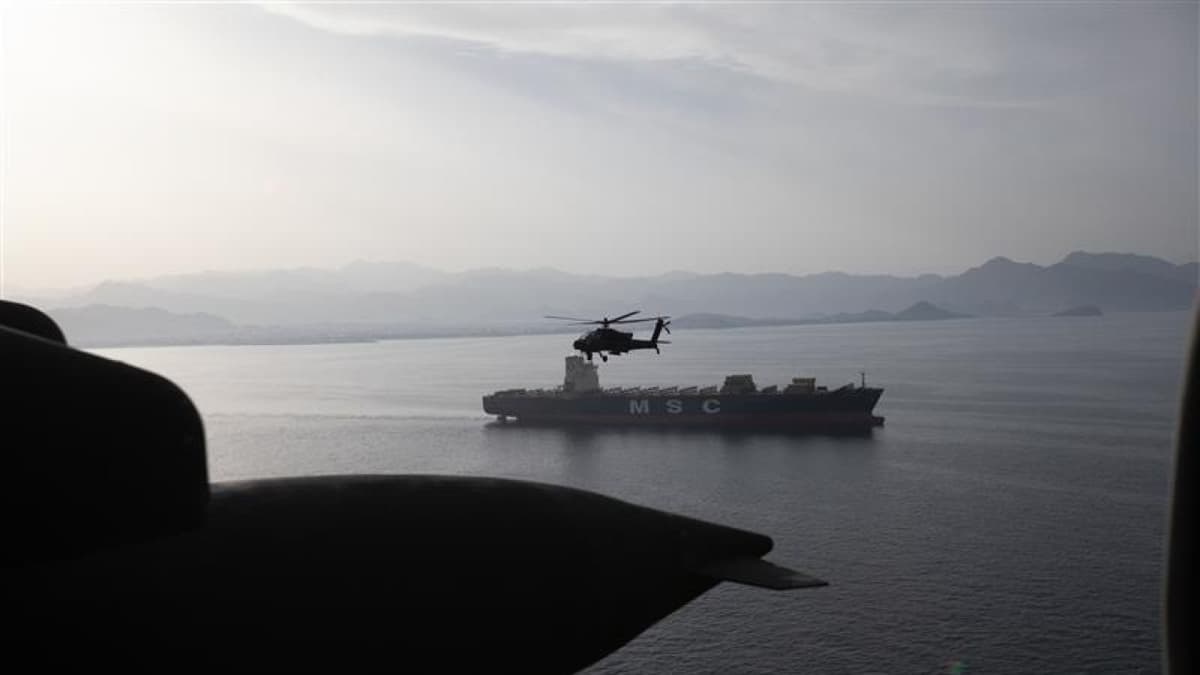
Seafarer Happiness Deteriorates During Hormuz Crisis
Companies Mentioned
Why It Matters
The sharp dip signals rising operational risk for global supply chains and a looming labor‑retention problem for shipowners, potentially inflating freight rates and insurance premiums. Addressing seafarer welfare is now a strategic imperative for the maritime sector.
Key Takeaways
- •Happiness score fell 4.6% after Hormuz crisis began.
- •Ships trapped; crews face water, food shortages, and missile threats.
- •Communication blackouts hinder contact with families and owners.
- •Fear of blacklisting deters crew from abandoning stranded vessels.
Pulse Analysis
The Strait of Hormuz remains one of the world’s most vital chokepoints, funneling roughly 20% of global oil shipments and a comparable share of container traffic. The February 28 US‑Israeli strikes on Iran triggered a rapid escalation, sealing the waterway with naval blockades and missile activity. As a result, thousands of vessels have been immobilised, forcing ships to remain in the Persian Gulf for weeks. This bottleneck not only threatens cargo timelines but also amplifies freight‑rate volatility and pushes insurers to reassess war‑risk premiums across the supply chain.
Beyond the macro‑economic ripple, the human toll is stark. The Mission to Seafarers’ Q1 2026 Happiness Index recorded a plunge from 7.35 to 7.01, reflecting heightened anxiety, scarcity of water and food, and constant security drills. Crew members report sleeping on minimal rations, enduring communication blackouts, and fearing retaliation if they abandon ship. Such conditions echo the early days of the COVID‑19 pandemic, when isolation and supply disruptions eroded morale. Persistent stress can lead to higher turnover, recruitment challenges, and a potential shortage of experienced mariners at a time when the industry is already grappling with talent gaps.
Stakeholders are now forced to treat crew welfare as a core operational risk. Shipping associations, unions, and the International Maritime Organization have urged governments to avoid pressuring crews to transit the strait, while shipowners scramble to secure emergency provisions and establish alternative routing plans. Insurers are tightening clauses related to war‑zone exposure, and charterers are factoring crew‑related delays into freight contracts. A coordinated response—combining diplomatic de‑escalation, robust onboard support systems, and transparent communication channels—will be essential to safeguard both the flow of goods and the mental health of the seafarers who keep global trade moving.
Seafarer happiness deteriorates during Hormuz crisis
Comments
Want to join the conversation?
Loading comments...