Search and Rescue as Stowaways Jump From Containership Off Cape Town
Why It Matters
The episode exposes heightened security risks for commercial shipping and the humanitarian challenges of illegal migration, prompting tighter port controls and coordinated rescue protocols across the region.
Key Takeaways
- •Seven stowaways jumped 5 NM from Cape Town; six rescued
- •NSRI used boats and drift buoy; search continues after dark
- •Stowaway incidents rising on African routes, prompting tighter inspections
- •Nigerian authorities recently detained six stowaways on two vessels
- •Missing individual highlights dangers of sea‑based escape attempts
Pulse Analysis
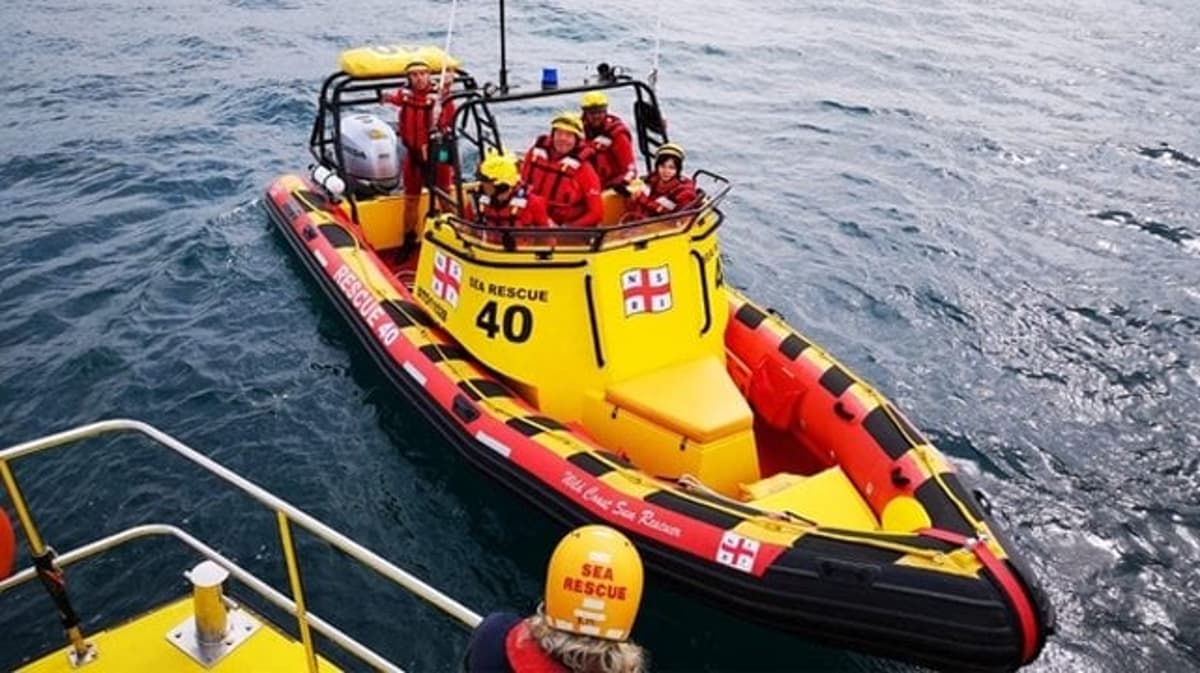
The Cape Town jump illustrates how quickly a routine vessel arrival can become a complex rescue operation. When the containership was five nautical miles from shore, crew members witnessed seven men abandoning the ship and swimming toward land. Six were plucked from the water by the ship itself and two assisting vessels, while the National Sea Rescue Institute dispatched two rescue boats, plotted a search grid, and released a drift buoy to model currents. Despite coordinated efforts, the seventh individual vanished as night fell, leaving authorities with a dwindling window for recovery.
Stowaway activity has surged along Africa’s western and southern maritime corridors, driven by economic hardship, conflict, and the lure of European destinations. Recent interceptions in Lagos—three men on the MSC Stella and three on the MT Anatolia—demonstrate that criminals and desperate migrants alike view commercial ships as viable, albeit perilous, transport. Ports are responding with heightened inspections, surveillance cameras, and tighter crew vigilance, yet the sheer size of container fleets makes comprehensive monitoring a logistical challenge. The human cost is stark: individuals risk drowning, hypothermia, and legal repercussions for a chance at a better life.
For the shipping industry, these incidents raise operational and financial stakes. Unplanned rescue missions can delay schedules, increase fuel consumption, and expose vessels to liability claims. Insurers may adjust premiums for routes with known stowaway hotspots, while ship owners invest in anti‑boarding technologies and crew training. Collaboration between maritime authorities, rescue agencies, and regional governments becomes essential to balance security imperatives with humanitarian considerations, ensuring that vessels can maintain trade flows without becoming inadvertent vessels for illegal migration.
Search and Rescue as Stowaways Jump from Containership off Cape Town
Comments
Want to join the conversation?
Loading comments...