Companies Mentioned

Why It Matters
The moves trim Seatrium’s balance sheet, freeing cash and lowering operating expenses while sharpening focus on core engineering and technology services, a critical shift as the offshore market tightens.
Key Takeaways
- •Seatrium sold 17 tugboats for SGD 104 million (~$81 M)
- •Expected cost savings from non‑core divestments total SGD 50 million (~$39 M)
- •Recent sales include yards in Singapore, Indonesia, and Texas, totaling over SGD 100 million
- •New towage agreement with KST Maritime secures services for Seatrium shipyards
- •Divestments aim to streamline portfolio, boost agility and long‑term resilience
Pulse Analysis
Seatrium’s latest tugboat divestiture reflects a growing trend among offshore service firms to prune non‑core assets and reallocate capital toward higher‑margin activities. The Singapore‑based contractor, which operates a global network of shipyards and engineering centers, has been reshaping its portfolio since early 2025, shedding facilities that no longer align with its strategic focus. By offloading the 17‑tugboat fleet for roughly $81 million, Seatrium not only secures immediate cash inflow but also eliminates the operational overhead of maintaining a niche towage business. The accompanying towage services agreement with buyer KST Maritime ensures continuity for Seatrium’s shipyards while transitioning towage costs to an outsourced model that promises long‑term efficiency.
The financial impact is material: the company projects SGD 50 million (about $39 million) in annual cost savings from the broader divestment program, which already includes the sale of Singapore’s Crescent Yard for roughly $9.8 million, the Indonesian Karimun Yard for $17.2 million, and a Texas facility for $50.9 million. These transactions collectively free up over $120 million in liquidity, allowing Seatrium to invest in its core engineering, technology, and integrated delivery capabilities. Management emphasizes that the streamlined asset base will enhance asset utilization, improve agility, and position the firm to capture emerging offshore opportunities, especially in the fast‑growing renewable energy segment.
Industry observers see Seatrium’s strategy as a bellwether for the offshore construction sector, where volatile oil prices and a shift toward clean energy are prompting firms to tighten cost structures. By concentrating on high‑value services and leveraging a leaner global footprint, Seatrium aims to sustain profitability and resilience amid market headwinds. Competitors may follow suit, accelerating a wave of portfolio optimization that could reshape the competitive landscape and drive further consolidation in the offshore services market.
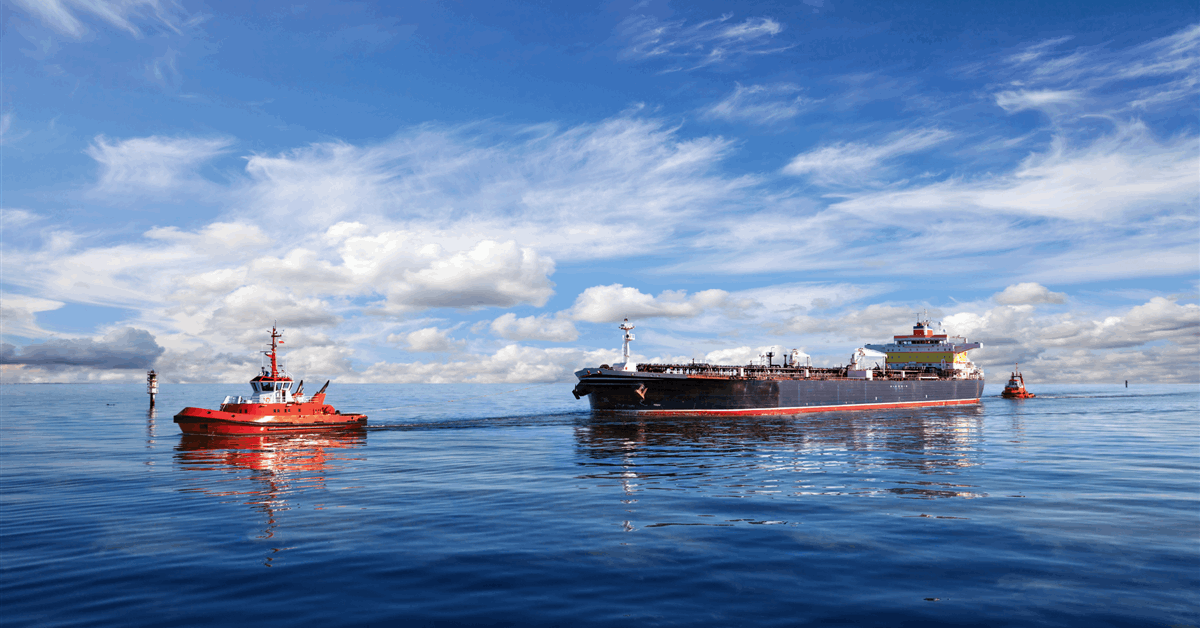
Seatrium Seals Tugboat Fleet Divestment
Comments
Want to join the conversation?
Loading comments...