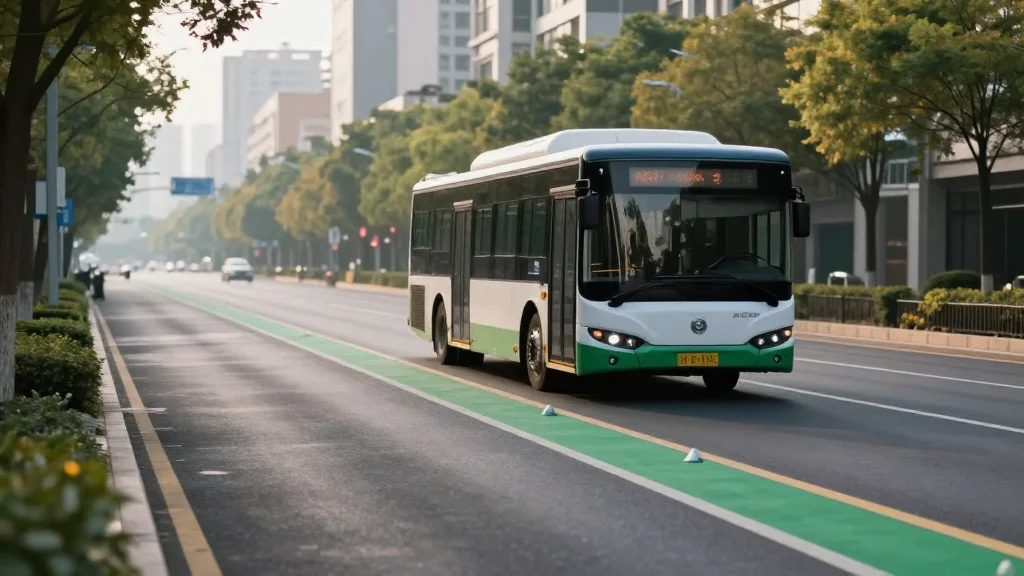
Seattle Mayor’s Bus Lane Plan Triggers Driver Outcry as Denny Way Reconfiguration Begins

Why It Matters
The Denny Way Bus Reliability Project sits at the intersection of two pivotal trends: declining private car ownership and the push for faster, more reliable public transit in dense urban cores. By reallocating road space to buses, Seattle is testing whether dedicated lanes can meaningfully improve service without crippling car traffic—a question that resonates with cities nationwide facing similar congestion and equity challenges. The project also serves as a litmus test for political leaders who champion transit‑focused policies while navigating constituent backlash. If successful, the initiative could provide a template for expanding bus‑only corridors, encouraging investment in high‑frequency routes that serve thousands of riders daily. Failure or prolonged driver opposition could reinforce skepticism about lane reallocation, prompting policymakers to seek alternative solutions such as congestion pricing or expanded rail options.
Key Takeaways
- •Mayor Katie Wilson announced the Denny Way Bus Reliability Project, converting a lane to a dedicated bus corridor.
- •Route 8 carries about 8,000 passengers daily across a two‑mile stretch from Queen Anne Ave to Second Ave.
- •Phase 1 begins in May with three blocks of bus lanes; Phase 2 follows in August with nine additional blocks.
- •Motorists have flooded SDOT’s comment portal with complaints, citing expected traffic slowdowns and lack of a backup plan.
- •City officials claim the lane will eliminate choke points and improve bus reliability, though specific performance metrics were not disclosed.
Pulse Analysis
Seattle’s decision to carve out a bus lane on Denny Way reflects a growing willingness among progressive municipalities to prioritize transit over car capacity. Historically, lane reallocation has been contentious; the 2016 Los Angeles bus‑only lane on Wilshire Boulevard faced similar driver protests before eventually delivering a 15% reduction in bus travel time. Seattle’s 8,000‑rider baseline is modest compared with LA’s 30,000‑plus daily riders, suggesting that measurable gains may be harder to achieve and more vulnerable to driver perception.
Politically, Wilson’s personal narrative—never owning a car and riding the very route she’s championing—adds both authenticity and a flashpoint for criticism. Opponents frame the move as elitist, arguing that a mayor who does not experience daily car commuting cannot fully appreciate the impact on drivers. This dynamic mirrors the national debate over equity in transportation planning, where the benefits to transit‑dependent populations must be weighed against the inconvenience to car owners.
Looking ahead, the project’s success will hinge on transparent performance reporting. If the city can demonstrate a clear reduction in bus dwell times and a modest impact on overall traffic flow, it could embolden other cities to adopt similar bus‑only corridors. Conversely, if driver congestion worsens without tangible transit gains, Seattle may be forced to revisit its lane‑reallocation strategy, perhaps integrating adaptive signal control or expanding dedicated busways elsewhere. The outcome will likely influence the next wave of urban mobility policies across the Pacific Northwest and beyond.
Seattle Mayor’s Bus Lane Plan Triggers Driver Outcry as Denny Way Reconfiguration Begins
Comments
Want to join the conversation?
Loading comments...