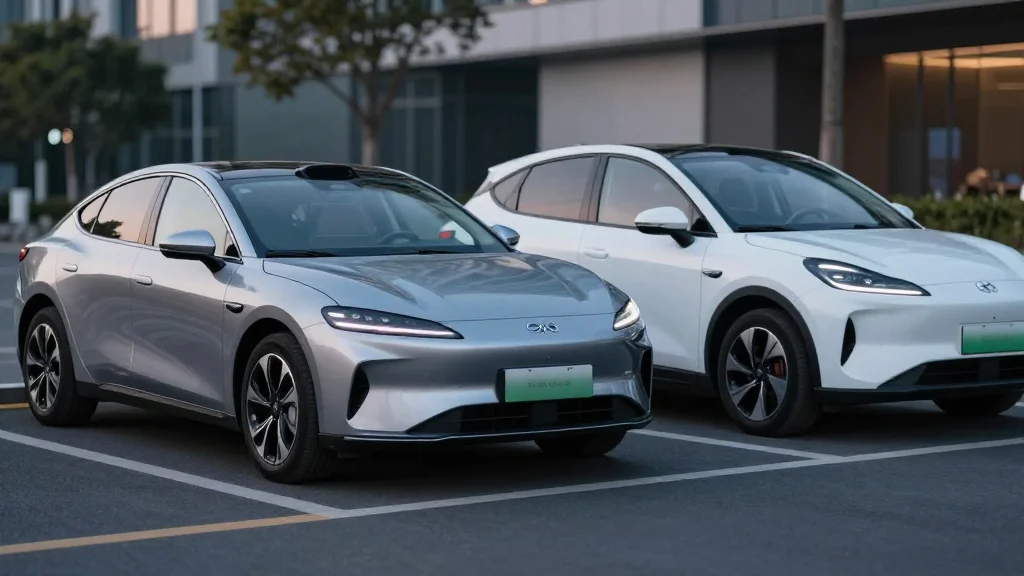
Self-Charging Hybrid Sales Start to Stumble in South Africa
Why It Matters
The slowdown highlights a market pivot toward plug‑in and battery‑electric models, reshaping OEM product strategies and influencing South Africa’s broader decarbonisation agenda.
Key Takeaways
- •Hybrid sales fell 7% Q1 2026 vs 2025.
- •Plug‑in hybrid sales rose 430% year‑over‑year.
- •Entry‑level hybrid prices up ~20% since 2021.
- •EVs now under R350k, boosting affordability.
- •Manufacturers shifting focus from hybrids to plug‑ins.
Pulse Analysis
The South African automotive landscape has witnessed a rapid rise and equally swift correction in self‑charging hybrid demand. After Toyota’s Corolla Cross introduced a locally assembled, affordable hybrid in 2021, sales jumped from under a thousand units in 2021 to more than 13,000 in 2024. This growth was fueled by urban fuel‑efficiency benefits and limited competition. However, the first‑quarter 2026 dip—2,764 units versus 2,970 a year earlier—marks the first sustained contraction since the segment’s inception, suggesting consumer fatigue and market saturation.
Pricing dynamics are now the decisive factor. While plug‑in hybrids and fully electric cars have shed a significant portion of their premium, entry‑level hybrids have become more expensive, with the Chery Tiggo Cross hybrid costing R439,900—R26,900 above the 2021 Corolla Cross launch price. In contrast, affordable EVs like the Geely E2 and BYD Dolphin Surf sit near R340,000, and PHEVs such as the BYD Sealion 5 start at R509,900. This compression of price gaps erodes the traditional hybrid’s value proposition of lower running costs, especially as budget petrol models now deliver comparable fuel consumption for under R250,000.
For manufacturers, the data signals a strategic inflection point. With plug‑in hybrid volumes up 430% and EV sales up 97% year‑over‑year, automakers are likely to prioritize electrified platforms that promise higher margins and align with global emissions targets. Policy incentives, expanding charging infrastructure, and consumer awareness further accelerate this shift. Stakeholders should monitor how OEMs reallocate R&D spend, adjust local production footprints, and price new models to capture the emerging demand for true electric mobility in South Africa.
Self-charging hybrid sales start to stumble in South Africa
Comments
Want to join the conversation?
Loading comments...