Self-Driving Cars and Changing Human Behavior
Key Takeaways
- •Owner logged 98% autonomous miles across 850‑mile test period
- •FSD handles navigation, parking, garage entry without driver input
- •No friends switched to self‑driving cars despite proven benefits
- •Adoption lag illustrates behavioral inertia even for superior technology
Pulse Analysis
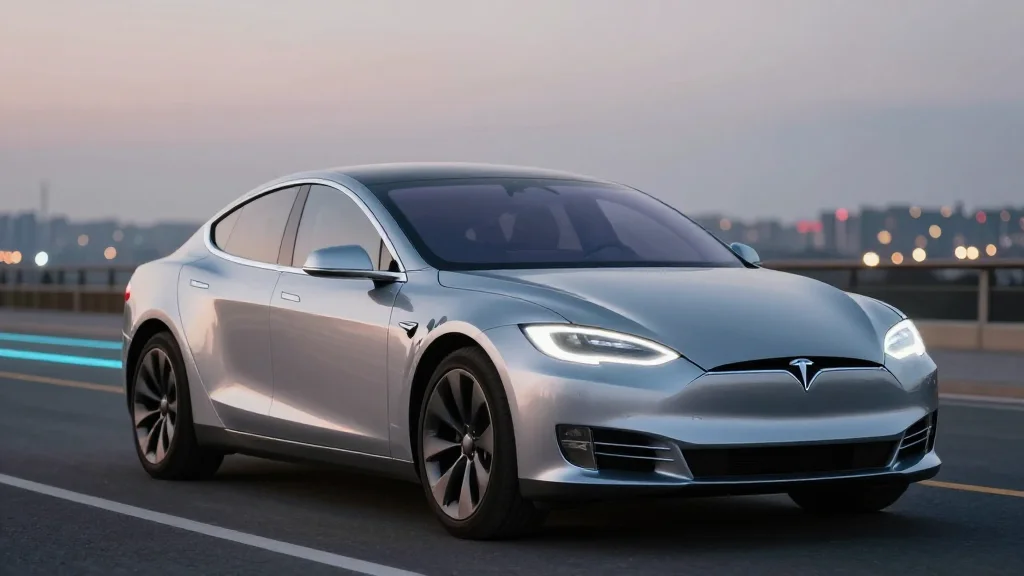
Tesla’s Full Self‑Driving (FSD) beta has moved from a novelty to a daily utility for early adopters, as illustrated by a Model S owner who logged 850 miles with 98% of the journey completed autonomously. The system now navigates complex urban environments, executes precise parking maneuvers, and even integrates with home garage hardware, showcasing the technical maturity of Level 2‑plus autonomy. Yet, broader market data still shows modest penetration, with most consumers hesitant to replace conventional driving habits despite measurable safety and convenience gains.
The reluctance mirrors classic diffusion‑of‑innovation patterns, where early adopters embrace breakthrough tech long before the early majority follows. Historical parallels—such as the rapid shift from flip phones to smartphones—often overlook the social and psychological friction that slows adoption. Factors like brand loyalty, interior design preferences, range anxiety for electric vehicles, and simple inertia can outweigh objective performance advantages. Moreover, reliance on external services like Google Maps for routing introduces perceived control loss, further entrenching resistance.
For entrepreneurs and automakers, the lesson is clear: delivering a 10‑fold improvement does not guarantee immediate market dominance. Strategies must address behavioral nudges, education, and ecosystem integration to bridge the chasm between capability and consumer comfort. Investors should temper expectations on revenue timelines, while policymakers might consider incentives that lower the perceived risk of autonomous adoption. Ultimately, the path to ubiquitous self‑driving cars will be paved as much by psychology and incentives as by sensor suites and software updates.
Self-Driving Cars and Changing Human Behavior
Comments
Want to join the conversation?