Senate Bill Would Mandate APRT At Contract Towers
•March 2, 2026
0
Why It Matters
Equipping contract towers with APRT dramatically improves safety and efficiency at smaller airports, reducing reliance on visual separation. The measure accelerates nationwide adoption of modern surveillance technology, supporting the FAA’s broader modernization agenda.
Key Takeaways
- •Bill mandates APRT at 90+ contract towers.
- •FAA must install within one year of enactment.
- •Funding authorized from Facilities and Equipment account.
- •APRT improves ADS‑B situational awareness at small airports.
- •Broad industry support from NBAA, A4A, RAA, AOPA.
Pulse Analysis
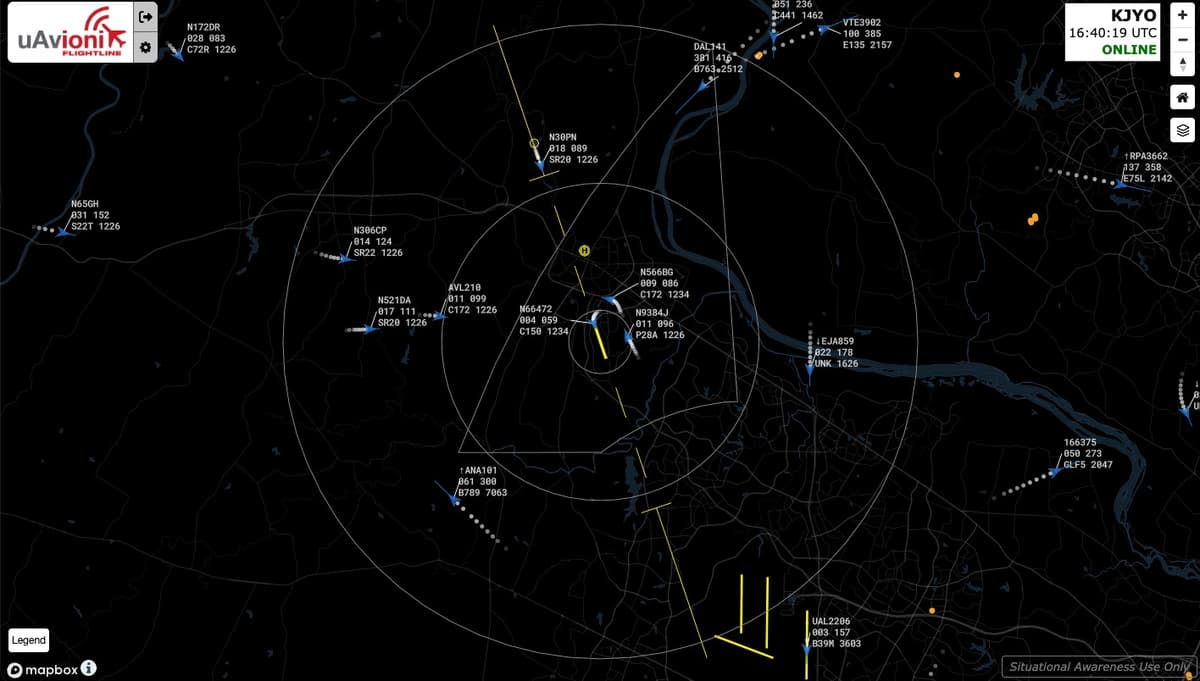
Contract towers, which handle roughly a third of U.S. air traffic, have traditionally operated without radar or advanced surveillance displays, relying on visual observation and radio communication. This limitation creates safety gaps, especially in low‑visibility conditions, and hampers efficient traffic flow. APRT technology leverages ADS‑B data to provide controllers with real‑time aircraft position information, effectively bridging the surveillance gap without the cost of full‑scale radar installations. By introducing a cost‑effective, data‑driven solution, the FAA can elevate situational awareness across the nation’s smaller airports.
The Air Traffic Situational Awareness Enhancement Act, sponsored by Senators Sheehy and Merkley, sets a clear deadline: APRT must be installed at all qualifying contract towers within twelve months of enactment. The bill earmarks funds from the FAA’s Facilities and Equipment account, covering acquisition, installation, and ongoing operational costs, while also allowing reimbursement for towers that have already deployed the technology. Bipartisan backing and endorsements from the National Business Aviation Association, Airlines for America, Regional Airline Association, Aircraft Owners and Pilots Association, and the U.S. Contract Tower Association underscore the industry’s consensus on the safety benefits.
If enacted, the legislation will accelerate the FAA’s broader modernization push, aligning contract tower capabilities with the next generation of air traffic management. Enhanced ADS‑B visibility will not only improve safety margins but also enable more efficient routing, potentially reducing fuel burn and emissions for regional and business flights. In the long term, widespread APRT adoption could serve as a stepping stone toward fully integrated surveillance systems, fostering a more resilient and scalable national airspace infrastructure.
Senate Bill Would Mandate APRT At Contract Towers
0
Comments
Want to join the conversation?
Loading comments...