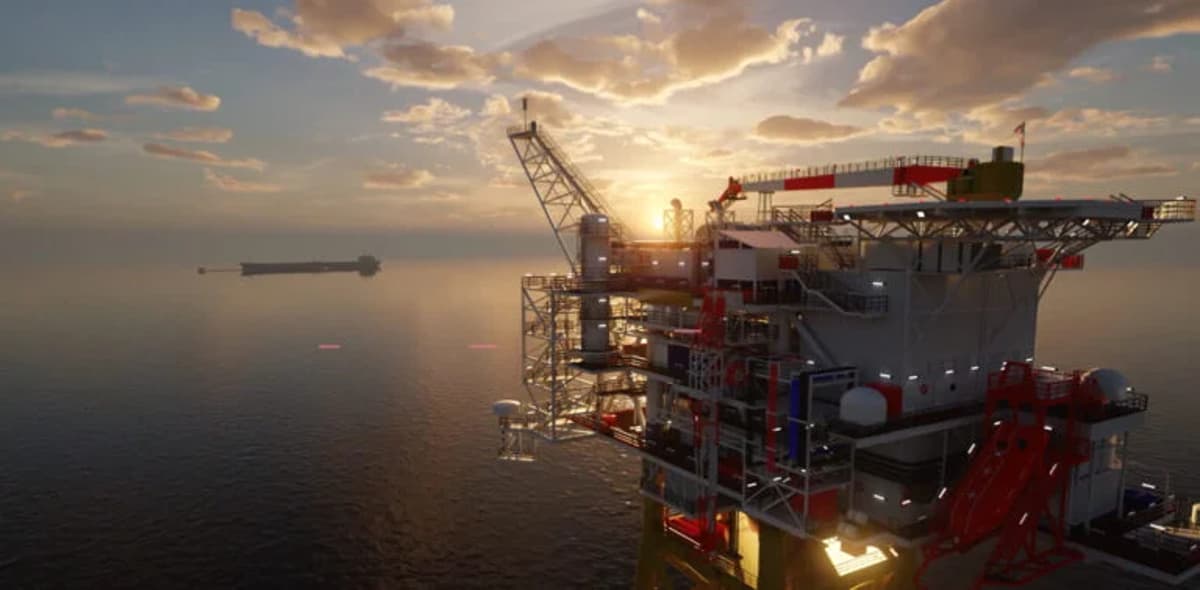
Sentinel Midstream Texas GulfLink $2.1 Billion Deepwater VLCC Port Commences Construction
Why It Matters
Texas GulfLink gives the U.S. Gulf Coast its first VLCC‑only export terminal, dramatically lowering shipping costs and boosting competitiveness in the fast‑growing Asian market.
Key Takeaways
- •$2.1 B Texas GulfLink will fully load VLCCs, 2 M bbl/day.
- •Construction starts May 2026; operations expected Q4 2028.
- •Eliminates lightering, reducing export costs and emissions.
- •Supports record U.S. crude shipments to Asia (2.31 M bpd).
- •Backed by US‑Japan Trade Agreement, Japanese investment participation.
Pulse Analysis
The Texas GulfLink deep‑water terminal marks the most ambitious offshore export project on the U.S. Gulf Coast since the Louisiana Offshore Oil Port (LOOP). At a projected cost of $2.1 billion, the facility will sit 30 miles off Freeport, Texas, and is engineered to load a Very Large Crude Carrier (VLCC) with roughly two million barrels of oil in a single operation. By eliminating the lightering step that currently forces smaller shuttle tankers to transfer cargo, the port promises faster turnaround, lower freight rates, and a measurable reduction in greenhouse‑gas emissions associated with multi‑vessel handling.
The timing of GulfLink aligns with a seismic shift in global oil flows. U.S. crude exports to Asia surged to a record 2.31 million barrels per day in April 2026, overtaking shipments to Europe as the Iran conflict constrains Middle Eastern supply. Asian refiners, particularly in Japan, South Korea, China and India, rely on VLCCs for cost‑effective long‑haul transport, and the absence of a fully VLCC‑capable U.S. terminal has historically added a premium of $1‑$2 per barrel. GulfLink’s full‑load capability directly erodes that premium, sharpening the United States’ price competitiveness in the Pacific market.
The project’s financing underscores the strategic partnership between Washington and Tokyo. Under the US‑Japan Trade Agreement, Japanese government‑linked capital, channeled through Cresta Fund Management, is paired with federal licensing and policy support, accelerating the construction schedule. With commercial service slated for the fourth quarter of 2028, GulfLink is poised to generate thousands of high‑skill jobs and stimulate ancillary services along the Texas Gulf Coast. Its success also differentiates Sentinel Midstream from the stalled Sea Port Oil Terminal (SPOT) venture, suggesting that robust customer demand and clear regulatory pathways can revive U.S. deep‑water export ambitions.
Sentinel Midstream Texas GulfLink $2.1 Billion Deepwater VLCC Port Commences Construction
Comments
Want to join the conversation?
Loading comments...