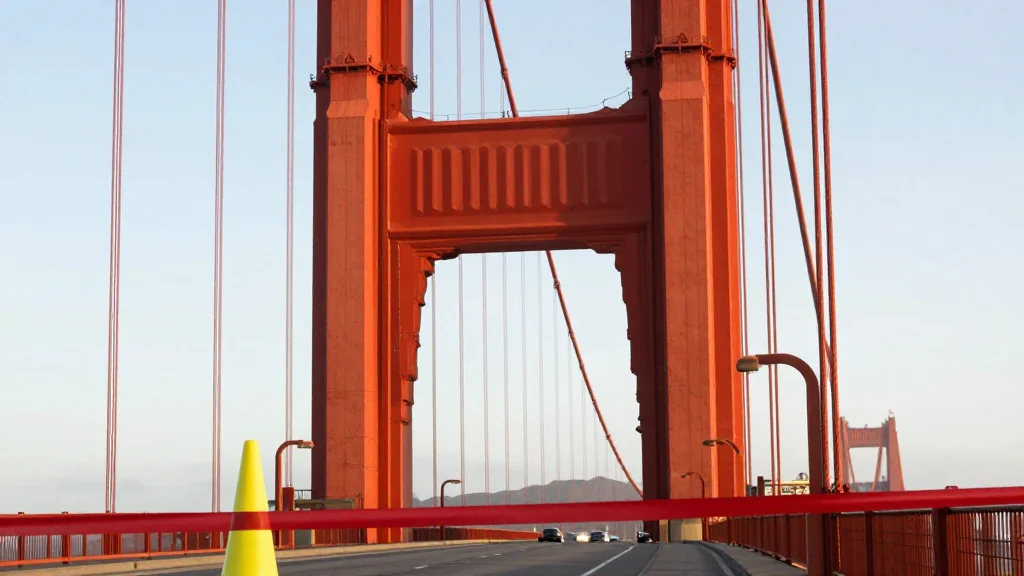
Seven Pro‑Palestinian Protesters Face Up to 15 Years for Golden Gate Bridge Shutdown

Why It Matters
The case spotlights the fragility of essential transportation corridors when faced with coordinated civil unrest. A four‑hour shutdown of the Golden Gate Bridge not only disrupted daily commutes for hundreds of thousands but also exposed the economic vulnerability of toll‑based revenue models. As activists increasingly target high‑visibility infrastructure, agencies must reconcile public safety with constitutional protest rights, a balance that will shape policy and investment decisions for years. Moreover, the trial underscores the potential for legal outcomes to influence future protest strategies. Harsh sentences could serve as a deterrent, while lenient rulings might encourage more aggressive tactics. Transportation planners, law enforcement, and policymakers will watch the verdict closely to gauge the appropriate mix of security measures and civil liberties protections.
Key Takeaways
- •Seven pro‑Palestinian protesters are on trial for a four‑hour Golden Gate Bridge shutdown.
- •Prosecutors seek up to 15 years in prison for each defendant.
- •The bridge closure halted all vehicle, pedestrian, and bike traffic, affecting regional mobility.
- •Initial restitution demand of $163,000 for lost toll revenue was later withdrawn.
- •The incident is part of a nationwide wave of infrastructure blockades in 2024.
Pulse Analysis
The Golden Gate Bridge trial arrives at a moment when U.S. transportation networks are increasingly viewed as stages for political expression. Historically, protests have targeted symbolic sites—think the 1960s sit‑ins at the Lincoln Memorial or the 1999 WTO protests in Seattle—but the 2024 wave introduced a tactical shift: using vehicles and temporary barriers to physically immobilize critical arteries. This evolution raises operational challenges for agencies that traditionally rely on police presence and crowd control rather than infrastructure‑specific response units.
From a market perspective, the incident could accelerate spending on resilience technologies. Companies offering real‑time traffic monitoring, AI‑driven incident detection, and rapid deployment of movable barriers may see heightened demand. Simultaneously, insurers may reassess risk models for public‑private partnerships that manage bridges and tunnels, potentially raising premiums for coverage against civil‑disorder events.
Looking ahead, the outcome of this trial will likely inform legislative proposals at both state and federal levels. Lawmakers may push for clearer statutes that define the line between protected speech and criminal obstruction, while transportation authorities could lobby for expanded authority to pre‑emptively secure vulnerable sites during heightened protest periods. The balance struck will shape how America’s most iconic transit links are defended against future disruptions.
Seven Pro‑Palestinian Protesters Face Up to 15 Years for Golden Gate Bridge Shutdown
Comments
Want to join the conversation?
Loading comments...