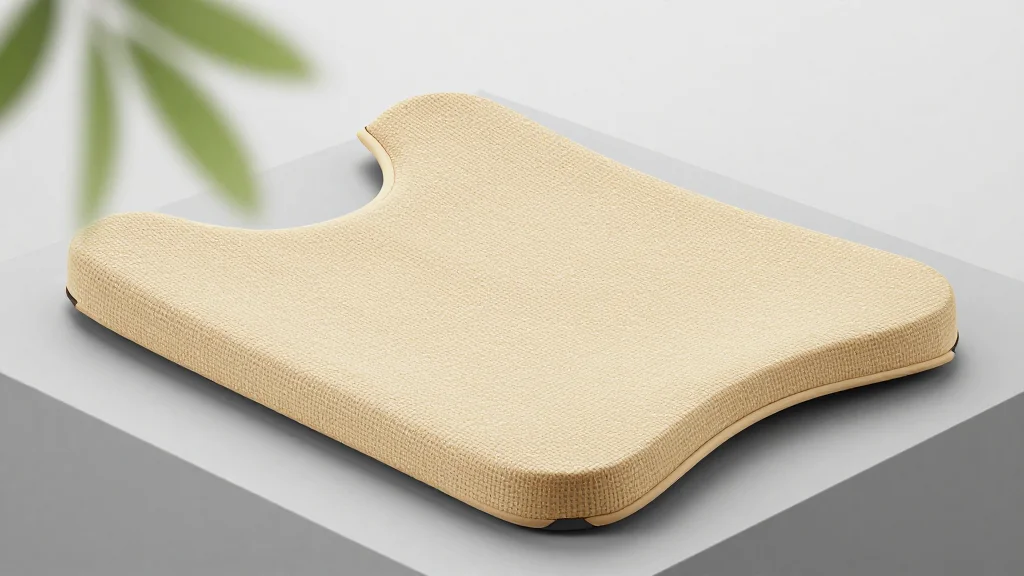
SHD Composites Bio-Based Composite Plays Role in EcoSuite Aircraft Interiors
Why It Matters
The moves underscore a rapid shift toward low‑carbon, bio‑based composites, unlocking new revenue streams while helping the aerospace and manufacturing sectors meet aggressive climate targets.
Key Takeaways
- •SHD's FR308 resin is bio‑based, formaldehyde‑free, derived from cane‑sugar waste
- •EcoSuite project receives ATI funding, aligning with UK Destination Zero 2050 goal
- •PaperShell receives €40.3 million EU grant to expand to 15,600 m² factory
- •Planned capacity of 23,000 tonnes by 2030 could cut CO₂ up to 98 %
- •Bio‑based composites target aircraft interiors, construction, transport, defence markets
Pulse Analysis
The aerospace interior market is embracing bio‑based composites as a viable path to carbon reduction. SHD Composites’ FR308 resin, sourced from cane‑sugar waste streams, eliminates hazardous chemicals such as formaldehyde and phenol, delivering a lighter, lower‑emission material for EcoSuite’s next‑generation seats. Backed by the UK’s Aerospace Technology Institute, the programme dovetails with the Destination Zero strategy, positioning the UK as a hub for sustainable aviation manufacturing and offering airlines a tangible way to lower cabin‑level emissions.
Beyond aviation, the European Union’s €40.3 million grant to PaperShell signals a broader industrial push toward circular composites. By scaling a 15,600 m² facility in Sweden, PaperShell aims to produce 23,000 tonnes of bio‑binder‑reinforced kraft paper components by 2030, targeting sectors that traditionally rely on glass‑fiber, aluminium and petro‑based plastics. The company’s cradle‑to‑gate analysis suggests up to a 98 % reduction in CO₂‑equivalent emissions, positioning its material as a carbon‑negative alternative for construction, transport, defence and electronics.
Together, these initiatives illustrate a converging trend: investors, regulators and OEMs are betting on renewable feedstocks and advanced manufacturing to meet tightening climate mandates. As bio‑based composites gain certification and performance parity, they are poised to capture a larger share of high‑value markets, driving supply‑chain diversification and creating new revenue opportunities for material innovators across Europe and the United Kingdom.
SHD Composites bio-based composite plays role in EcoSuite aircraft interiors
Comments
Want to join the conversation?
Loading comments...