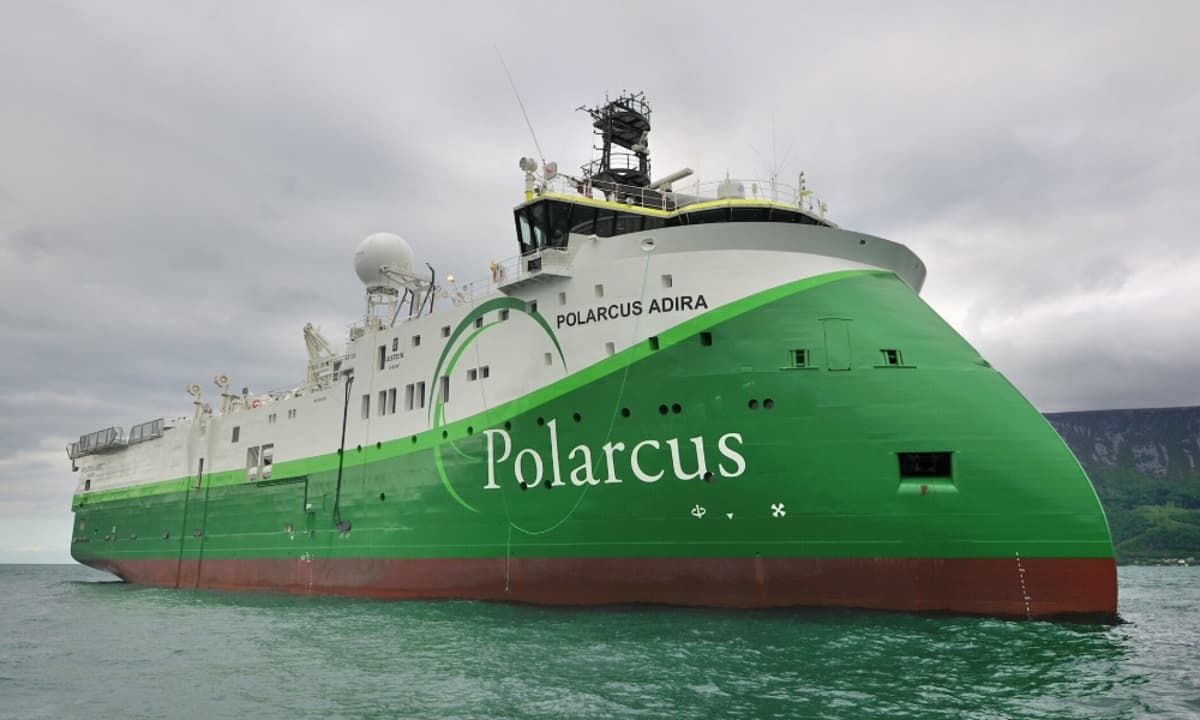
Shearwater Trims Fleet with Disposal of Idle Vessel
Why It Matters
The deal improves Shearwater’s balance sheet by converting an underutilised asset into cash and aligns capital with its strategic focus on more profitable operations. It also signals broader industry pressure to streamline seismic fleets amid shifting energy investment patterns.
Key Takeaways
- •Shearwater to sell 2012-built SW Baret vessel.
- •Sale price exceeds book value, generating a gain.
- •Vessel has been idle in lay‑up since 2021.
- •Proceeds will fund strategic capital allocation under debt covenants.
- •Conversion will re‑fit vessel as a dedicated source vessel.
Pulse Analysis
The offshore seismic sector has faced a slowdown as oil and gas majors pivot toward renewable projects and tighter capital discipline. Operators like Shearwater are left with aging vessels that sit idle, eroding profitability and inflating maintenance costs. By divesting such assets, companies can reduce depreciation drag and free up cash to invest in higher‑margin services, such as source‑vessel operations that support offshore construction and de‑commissioning activities.
Shearwater’s agreement to sell the SW Baret at a price above its carrying amount translates into an immediate accounting gain, bolstering earnings for the fiscal year ending 2026. The proceeds, earmarked for use under the firm’s bank and bond agreements, will likely be directed toward debt reduction or funding of newer, more efficient platforms. This financial maneuver also improves leverage ratios, a key metric for investors monitoring covenant compliance and credit health.
Strategically, the conversion of the former seismic vessel into a dedicated source vessel reflects a broader industry shift toward versatile, multi‑role ships that can support a range of offshore activities, from wind turbine installation to subsea cable laying. Shearwater’s fleet optimisation signals to the market that it is prioritising assets with higher utilization rates and better alignment with emerging offshore demand. As the energy transition accelerates, firms that can swiftly reconfigure legacy equipment stand to capture new revenue streams while maintaining fiscal discipline.
Shearwater trims fleet with disposal of idle vessel
Comments
Want to join the conversation?
Loading comments...