Ship Manager Demands International Probe Into Fatal U.S. Attack on Tanker
Companies Mentioned
Why It Matters
The death of Indian crew members and the contested legality of U.S. blockade enforcement could reshape maritime security protocols and increase geopolitical risk for commercial shipping routes.
Key Takeaways
- •IOS Marine calls for UN investigation into U.S. strike
- •U.S. alleges Settebello carried Iranian oil, ignored warnings
- •Three Indian crew members died; 21 rescued
- •Damage exceeds $35 million; extensive repairs needed
- •Blockade enforcement now faces heightened diplomatic scrutiny
Pulse Analysis
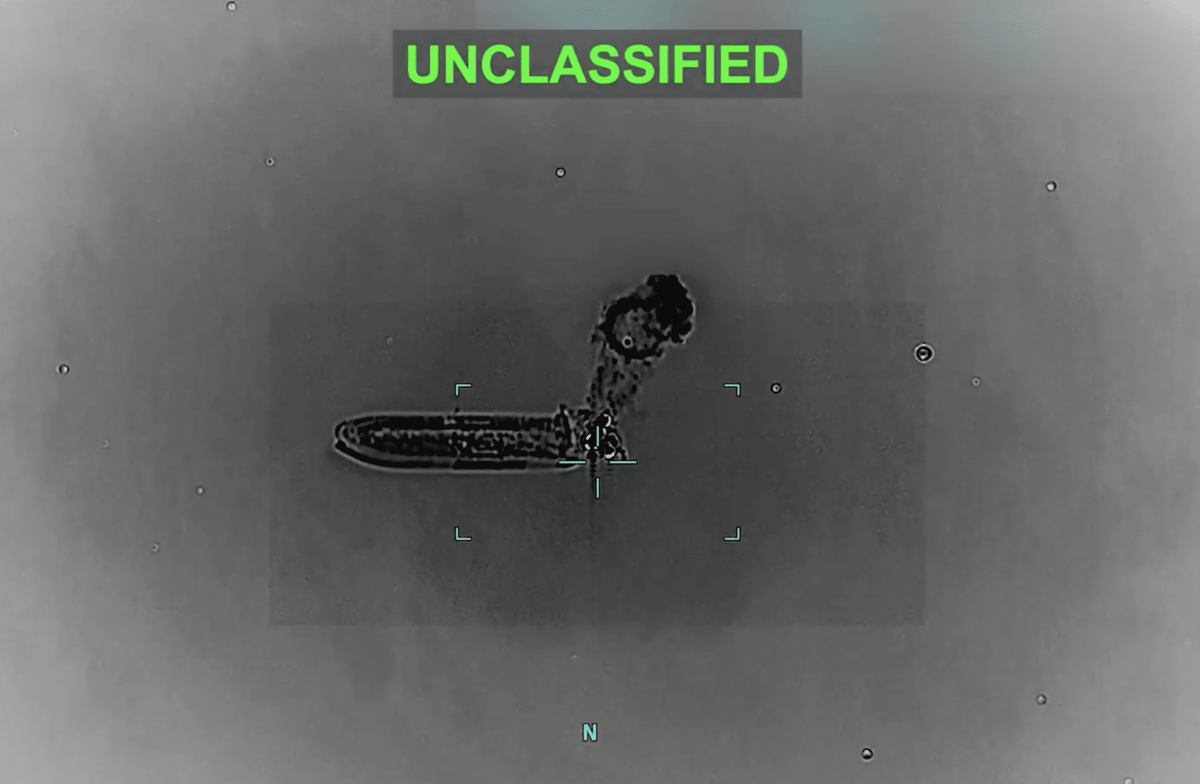
The June 9 strike on the Palau‑flagged tanker Settebello has ignited a dispute over the U.S. blockade of Iranian oil. U.S. Central Command says the vessel tried to move Iranian crude through the Gulf of Oman and ignored repeated radio warnings, leading an aircraft to fire precision munitions into its engine room. IOS Marine, the Dubai‑based manager, denies any warning and asserts the tanker was on legitimate commercial business with no Iranian ties. The attack killed three Indian seafarers and caused over $35 million in damage.
The conflicting narratives raise legal questions about a navy’s right to use force against civilian ships in international waters. Under the UN Convention on the Law of the Sea, force is permissible only when a clear, imminent threat exists—something critics say the U.S. has not demonstrated. For the shipping sector, the incident heightens risk for vessels transiting the Strait of Hormuz, especially those crewed by Indian nationals, the world’s largest seafarer source. India’s government and opposition have demanded accountability, warning that unchecked interdictions could depress trade flows and lift insurance costs.
The Settebello case may trigger a review of how blockades are policed and documented. An international probe that supports IOS Marine’s claims could force Washington to tighten warning procedures, disclose cargo evidence, and limit kinetic actions, reshaping future interdictions. Conversely, a U.S. vindication might encourage more aggressive enforcement, prompting ship owners to seek alternative routes, flags, or insurance coverage to mitigate exposure. Stakeholders should track diplomatic outcomes closely and develop contingency plans that safeguard crew safety while maintaining compliance with evolving maritime security regimes.
Ship Manager Demands International Probe Into Fatal U.S. Attack on Tanker
Comments
Want to join the conversation?
Loading comments...