Shipowners Stay Cautious on Hormuz Despite Peace Deal Hopes
Why It Matters
Hormuz handles roughly a third of global oil flow, so any delay directly pressures fuel prices and supply‑chain stability. The lingering uncertainty stalls market recovery and keeps tanker rates volatile.
Key Takeaways
- •IRGC promises “safe, stable passage” with undefined new protocols
- •Shipowners must email Persian Gulf Strait Authority for transit permission
- •Recent container ship attack heightens security concerns
- •Bimco awaits official rules before updating safety guidance
- •No immediate traffic increase observed despite IRGC statement
Pulse Analysis
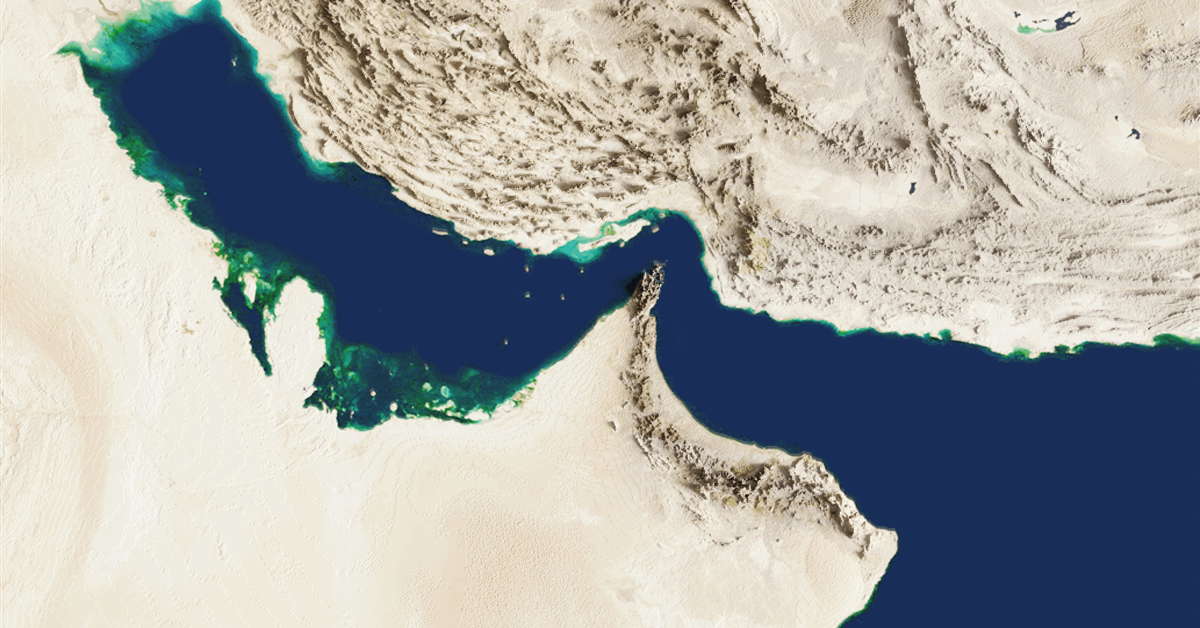
The Strait of Hormuz remains one of the world’s most critical maritime chokepoints, funneling about 20 million barrels of oil daily. Recent diplomatic overtures, including a tentative U.S. peace proposal, have sparked optimism that Tehran might relax its tight control. However, the Islamic Revolutionary Guard Corps’ statement about "new protocols" lacks specifics on fees, inspection regimes, or permissible cargoes, leaving shipowners wary of potential legal and security pitfalls. This ambiguity is amplified by the strategic importance of the waterway for global energy security.
Shipowners and charterers are now navigating a complex approval process that requires emailing the newly referenced Persian Gulf Strait Authority. The application asks for granular details—origin, destination, flag history, cargo value, and crew nationalities—raising concerns about data exposure and possible retaliation. Coupled with a recent container‑ship attack that underscored the threat of militant actions, many operators are opting to delay or reroute voyages. Industry bodies such as Bimco have signaled they will only revise safety guidance once formal, transparent rules are published, further cementing the cautious stance across the sector.
The broader market impact is immediate: U.S. gasoline prices have breached $4.50 per gallon, a level not seen since 2022, reflecting supply anxieties. Prolonged hesitancy to use Hormuz could sustain higher freight premiums and incentivize longer, costlier routes around the Cape of Good Hope. Conversely, a swift, credible de‑escalation and clear transit framework could restore confidence, lower shipping costs, and stabilize oil prices. Stakeholders will be watching diplomatic negotiations and any concrete IRGC directives closely, as the balance between risk mitigation and market efficiency hangs in the balance.
Shipowners Stay Cautious on Hormuz Despite Peace Deal Hopes
Comments
Want to join the conversation?
Loading comments...