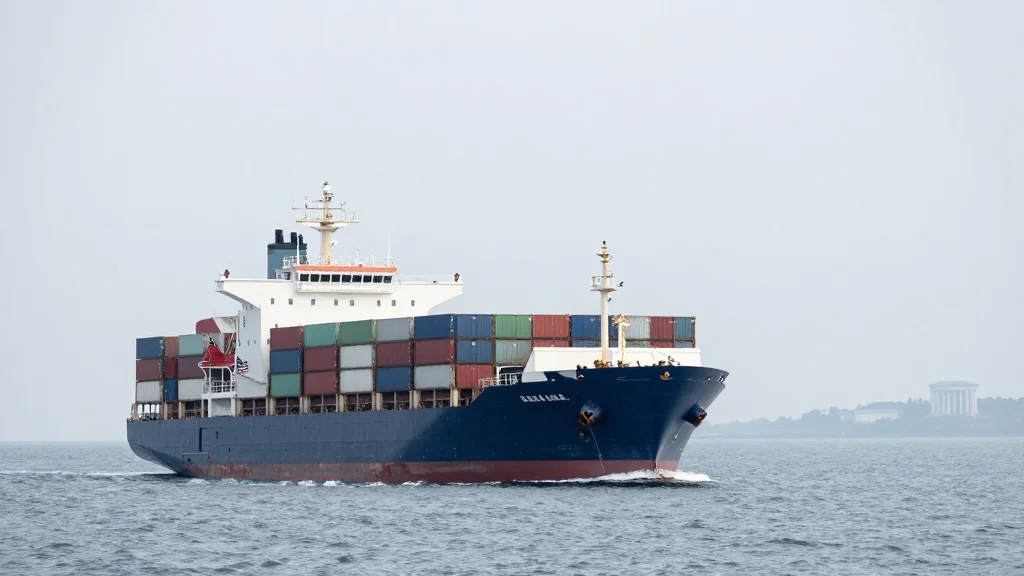
Shippers Await OOCL Appeal After FMC’s ‘Unconstitutional’ Record Fine
Why It Matters
The appeal challenges the FMC’s jurisdiction, potentially limiting its punitive reach and altering the legal calculus for future freight disputes. A shift in authority could affect both large carriers and the many small shippers that rely on the regulator to address unfair practices.
Key Takeaways
- •OOCL faces $45 million FMC fine for pandemic service breaches
- •Carrier appeals, claiming FMC’s adjudication is unconstitutional
- •Appeal could reshape maritime regulator’s authority over shipper claims
- •Large fines may encourage more small shippers to file complaints
- •Legal costs may deter carriers from contesting FMC penalties
Pulse Analysis
The Federal Maritime Commission, the U.S. agency that oversees ocean carrier conduct, issued an unprecedented $45 million penalty against OOCL after a bankruptcy administrator for Bed, Bath & Beyond alleged the carrier failed to honor service contracts during the COVID‑19 surge. The fine, the largest ever recorded by the FMC, signals a tougher regulatory stance toward carriers accused of exploiting pandemic‑induced market chaos. By targeting multiple carriers with similar claims, the FMC aims to deter anti‑competitive behavior and protect the fragmented, SME‑heavy shipping ecosystem.
OOCL’s legal strategy pivots on a constitutional argument: it contends that the FMC’s administrative law judge lacks authority to adjudicate private contract disputes, which should be resolved by a federal jury. If a court agrees, it could curtail the FMC’s ability to impose punitive damages without full judicial review, reshaping the enforcement landscape for maritime commerce. The appeal also raises the prospect of a precedent that other carriers might invoke, potentially limiting the regulator’s leverage in future pandemic‑related or contract‑breach cases.
Beyond the courtroom, the fine and ensuing appeal reverberate through the broader shipping market. Smaller shippers, who constitute the majority of the industry, may view the FMC’s aggressive posture as an invitation to lodge complaints, hoping for similar redress. However, the high cost of litigation—often outweighing potential recoveries—remains a barrier, especially for SMEs. The outcome of OOCL’s appeal will therefore influence the cost‑vs‑benefit calculus for both shippers seeking justice and carriers weighing the merits of contesting regulator decisions, ultimately shaping the balance of power in global freight logistics.
Shippers await OOCL appeal after FMC’s ‘unconstitutional’ record fine
Comments
Want to join the conversation?
Loading comments...