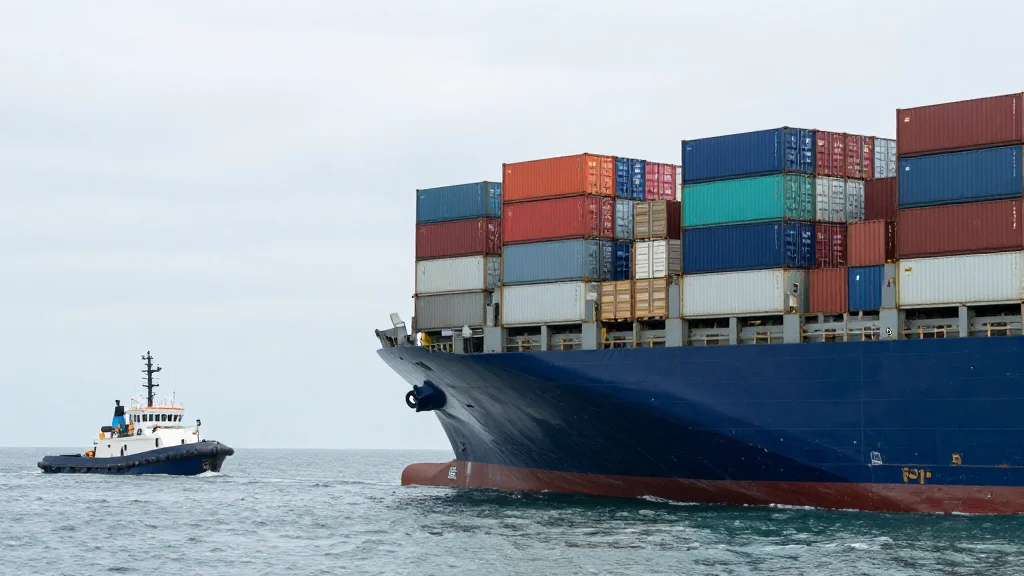
Shipping Delays Are Moving Downstream, Not at Ports
Companies Mentioned
Why It Matters
Downstream bottlenecks increase forecast uncertainty and raise inventory costs, forcing shippers to invest in visibility and agility solutions.
Key Takeaways
- •Delays now spread across booking, transit, and unloading stages.
- •Q1 average shipment time reached 68 days, up two days.
- •Middle East conflicts and Red Sea security disrupt key maritime routes.
- •Rotterdam congestion and Northern Europe storms extend transit times.
- •Real‑time detection and adaptation become critical for supply‑chain resilience.
Pulse Analysis
The E2open Ocean Shipping Index reveals a structural shift in where delays occur. Early‑stage operations at origin ports are showing modest gains, yet the bottleneck has migrated to later phases—booking, transit, and unloading. This downstream diffusion of disruption erodes the predictability that shippers once relied on, inflating lead times and complicating inventory planning. By quantifying a two‑day increase to a 68‑day average transit, the report underscores that even incremental delays can cascade into significant cost pressures across global supply chains.
Compounding the internal shift are external geopolitical and environmental forces. The effective closure of the Strait of Hormuz and heightened security concerns in the Red Sea have forced vessels onto longer, costlier routes, while congestion at Europe’s key hub, the Port of Rotterdam, and severe storms across Northern Europe further extend transit windows. These factors amplify the variability introduced by downstream delays, creating a multi‑point risk landscape that challenges traditional route‑optimization models and demands more granular, real‑time data.
For enterprises, the takeaway is clear: resilience now hinges on visibility and agility. Advanced analytics platforms that monitor booking windows, vessel positions, and port‑level capacity can alert managers to emerging bottlenecks before they materialize. AI‑driven predictive tools enable dynamic re‑routing and inventory buffering, mitigating the financial impact of unpredictable delays. As the shipping ecosystem continues to evolve, firms that embed real‑time detection and adaptive response into their logistics strategy will safeguard service levels and maintain competitive advantage.
Shipping Delays Are Moving Downstream, Not at Ports
Comments
Want to join the conversation?
Loading comments...