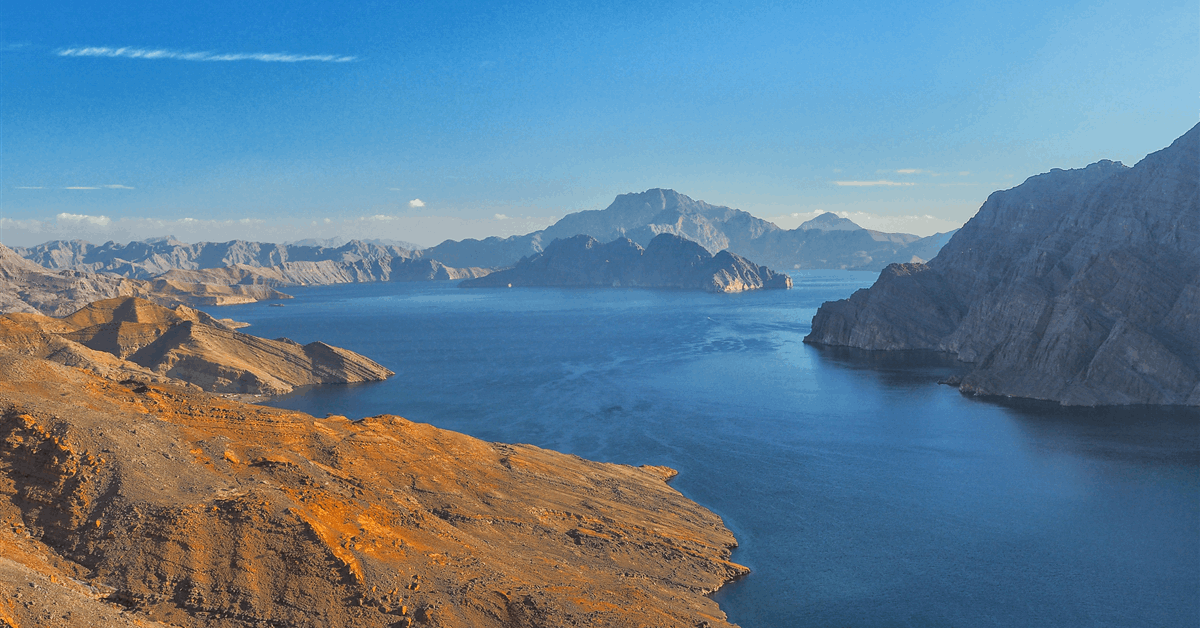
Shipping Freeze Deepens in Strait of Hormuz
Why It Matters
The prolonged shutdown of Hormuz, a critical oil chokepoint, threatens to tighten global supply, push freight rates higher, and amplify geopolitical risk for energy‑dependent economies.
Key Takeaways
- •US plan aims to escort stranded vessels out of Hormuz.
- •Iran expanded control zone from Mount Mobarak to Fujairah.
- •Only two commercial transits recorded Monday, both non‑US flagged.
- •Chinese and Panama‑flagged ships aborted outbound trips amid alerts.
- •Millions of barrels of oil remain trapped in the Persian Gulf.
Pulse Analysis
The Strait of Hormuz handles roughly a fifth of the world’s oil flow, making any disruption a flashpoint for global markets. Recent Iranian moves to broaden its control zone—from south of Mount Mobarak to the UAE border at Fujairah—signal a strategic push to dominate the narrow passage. Coupled with unidentified radio commands warning ships to clear the area, the environment has become hostile enough that major carriers are rerouting or abandoning voyages altogether. The U.S. response, framed as a humanitarian escort plan, reflects both a desire to protect commercial interests and a broader geopolitical contest over navigation rights.
Beyond the immediate traffic lull, the shutdown has tangible economic repercussions. With millions of barrels of crude and refined products immobilized in the Persian Gulf, spot oil prices have shown heightened volatility, and freight forwarders are scrambling to secure alternative routes, often at premium rates. The practice of vessels switching off Automatic Identification System (AIS) signals—common among Iran‑linked ships—further obscures real‑time supply data, complicating market forecasts and risk assessments. Analysts warn that prolonged darkness on the AIS could mask larger volumes of oil moving covertly, adding another layer of uncertainty for traders.
Looking ahead, the trajectory of Hormuz traffic hinges on diplomatic negotiations and the effectiveness of the U.S. escort initiative. If the humanitarian plan succeeds in safely moving a critical mass of vessels, it could restore a baseline level of flow and ease price pressures. Conversely, continued Iranian expansion or escalated military posturing could cement a longer‑term bottleneck, prompting shippers to diversify away from Gulf‑origin cargoes. Stakeholders—from energy firms to insurers—should monitor CENTCOM updates, UKMTO alerts, and regional diplomatic signals to adjust exposure and contingency plans accordingly.
Shipping Freeze Deepens in Strait of Hormuz
Comments
Want to join the conversation?
Loading comments...